









Introduction
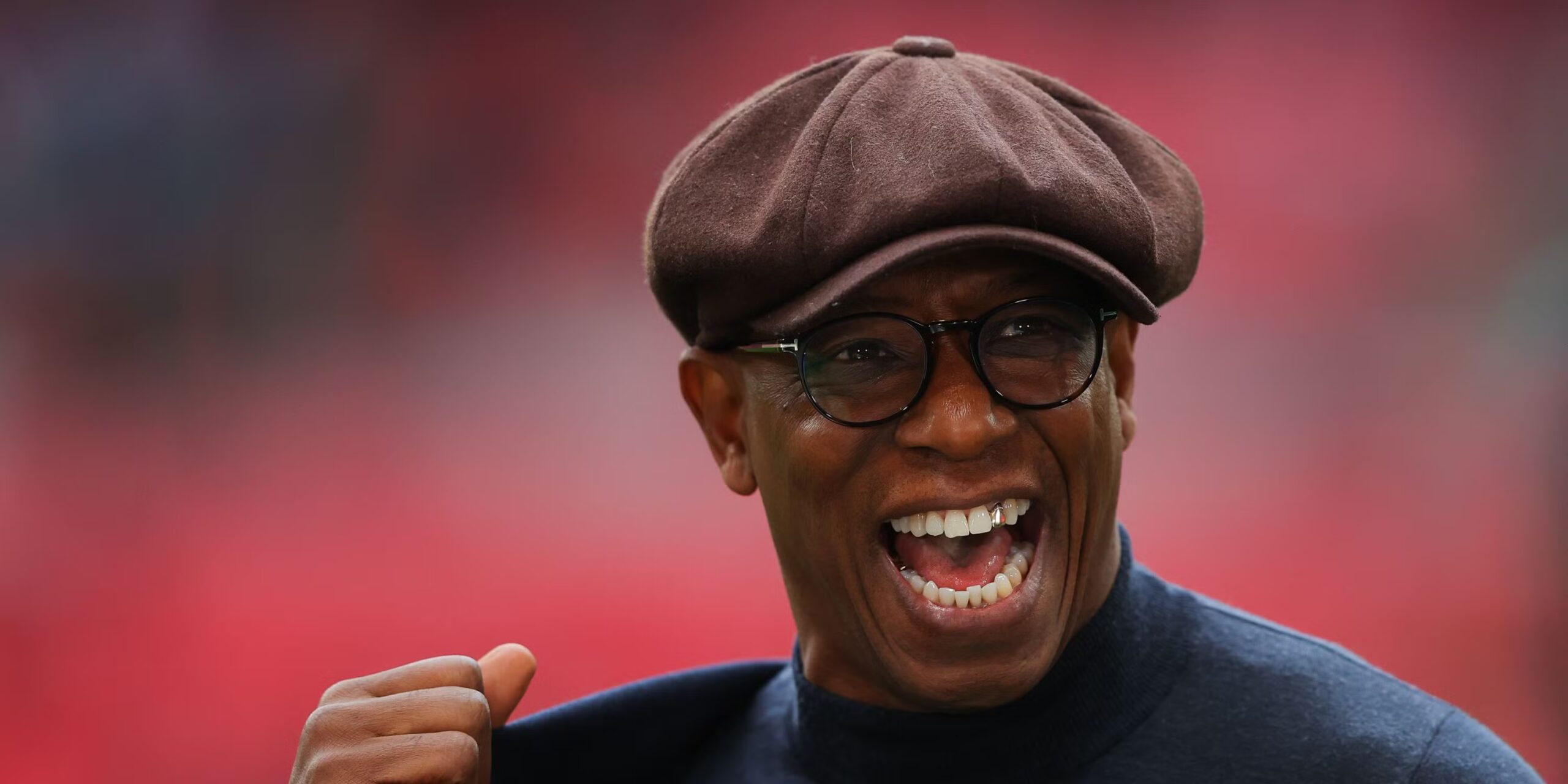
Ian Wright is a name synonymous with English football, not only for his exceptional skills on the pitch but also for his vibrant presence off it. As one of the most recognisable figures in the sport, Wright has significantly influenced football culture in the UK and is known for his dynamic personality, which has made him a beloved broadcaster and pundit. His journey from humble beginnings to becoming a prolific goal scorer and television personality is an inspiring story that resonates with many fans.
Career Highlights
Wright started his professional career later than most, signing with Crystal Palace in 1985 after a stint in non-league football. He quickly made a name for himself, becoming Palace’s top scorer and earning a move to Arsenal in 1991. At Arsenal, he found his stride, becoming the club’s all-time leading goalscorer at the time, a record he held until it was surpassed by Thierry Henry in 2005.
During his time at Arsenal, Wright won numerous accolades, including the Premier League title, FA Cups, and the UEFA Cup Winners’ Cup. Known for his sharp wit and media presence, he also made a significant impact as a player for the England national team, earning 33 caps and scoring 9 goals between 1991 and 1998.
Post-Retirement Career
Following his retirement from professional football in 2000, Wright transitioned into broadcasting and has since become one of the most recognised sports pundits in the UK. He has appeared on various platforms, including BBC and ITV, providing insights and commentary that resonate with audiences. His engaging style and humorous approach have made him a favourite among viewers of football shows, such as “Match of the Day” and “Goal Diggers.”
Community Involvement
In addition to his work in football and media, Wright is highly regarded for his philanthropic efforts. He actively supports various charities and initiatives aimed at helping underprivileged children and young people. By using his platform to raise awareness for critical social issues, he has made significant contributions to the community, reinforcing the idea that athletes can be powerful role models.
Conclusion
The impact of Ian Wright on football and society extends well beyond his goal-scoring prowess. As a player, a pundit and a community advocate, he has demonstrated that success is not just measured in accolades but also in the ability to inspire and uplift others. As he continues to engage with fans and work on initiatives that promote positive change, Ian Wright remains a beloved figure in the sporting world, and his legacy will undoubtedly influence future generations of footballers and fans alike.