









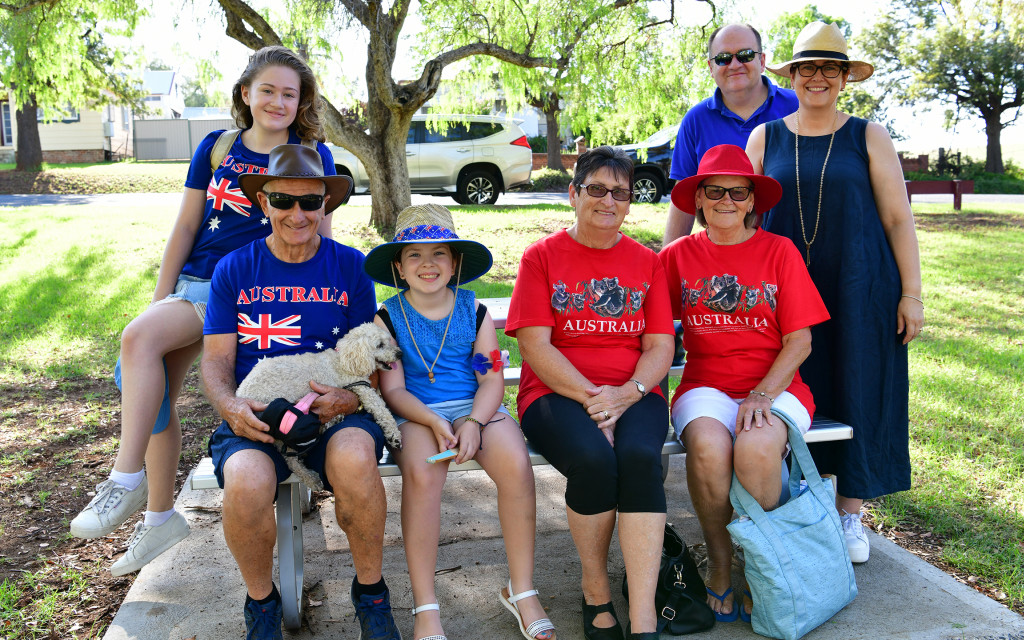
Introduction to Australia Day
Australia Day, celebrated annually on January 26, marks the arrival of the First Fleet at Port Jackson in 1788. This day holds significant importance in the national calendar as it represents the foundation of modern Australia. However, the day is viewed with mixed feelings across the nation, as it also signifies the onset of British colonisation, which had profound implications for Indigenous Australians.
Historical Context
The first official Australia Day was celebrated in 1818, 30 years after the arrival of the First Fleet. Over time, January 26 evolved from a day of mourning for Aboriginal and Torres Strait Islander peoples to one that is publicly recognised as a celebration of Australian culture, achievements, and national identity. Various ceremonies, including citizenship ceremonies and community events, have become central to the celebrations. In 2023, Australian government statistics reported over 16,000 citizenship ceremonies were conducted across the country, underlining the significance of Australia Day as a symbol of unity.
Current Celebrations
Modern-day celebrations vary across Australia, featuring fireworks, parades, concerts, and community festivals. Major cities prominently display fireworks displays, while local events often include traditional music, food stalls, and activities for children. However, it’s crucial to acknowledge that not all Australians partake in the celebrations. Many Indigenous communities observe the day as a time of reflection, mourning, and protest, advocating for greater recognition of their history and rights.
Controversies and Ongoing Dialogues
In recent years, Australia Day has become the centre of heated debates and controversies. Many voices call for a change of the date, citing the need to respect Indigenous peoples and their experiences. Activists have urged the government to consider holding the celebrations on a different date that promotes inclusivity and reconciliation. Opinion polls reveal that public sentiment is gradually shifting, with a growing number of Australians supporting a change to the date, highlighting the necessity for conversations around mutual respect and understanding.
Conclusion
Australia Day stands as a multifaceted event that encapsulates both celebration and reflection. As discussions about the day continue within communities, it invites Australians to contemplate their collective identity and the importance of understanding their shared history. Moving forward, it is hoped that Australia Day will evolve into a day of unity and reconciliation, where all Australians can participate, acknowledge the rich cultures of Indigenous peoples, and recognise the journey towards inclusivity.