









Introduction
The polar vortex is a significant atmospheric phenomenon that plays a crucial role in shaping winter weather patterns across the Northern Hemisphere. With climate variability increasing, the forecast for polar vortex collapse holds substantial relevance, not only for meteorologists but also for the general populace. A collapse of the polar vortex can lead to disruptive cold snaps and associated weather anomalies in various regions, making its study imperative for preparedness and response strategies.
The Current Forecast
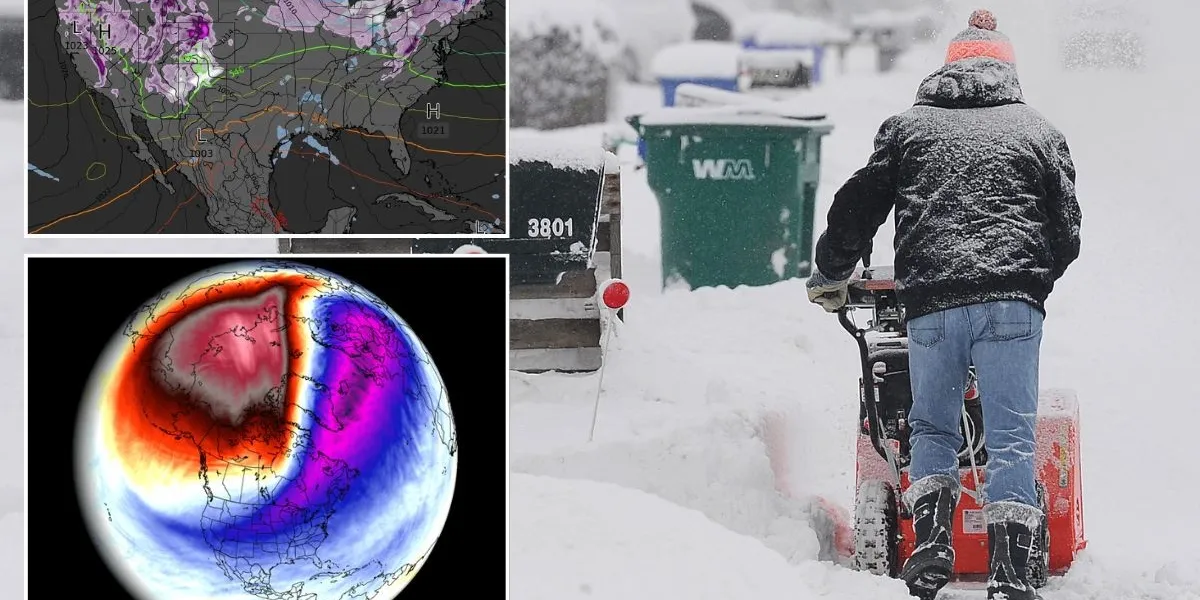
As of late October 2023, meteorologists are closely monitoring the polar vortex for indicators of potential collapse. Recent analyses suggest that the polar vortex is showing signs of weakening, a condition that can lead to an increase in extreme weather events. According to the National Oceanic and Atmospheric Administration (NOAA), current models predict a 70% chance of a significant polar vortex disruption in the coming months. Factors contributing to this forecast include fluctuating sea surface temperatures and unusual jet stream patterns.
Impacts of a Polar Vortex Collapse
A collapse of the polar vortex typically results in a shift of the Arctic air mass, pushing frigid temperatures southward into mid-latitude regions, affecting areas such as the United States and parts of Europe. For instance, during the polar vortex collapse in February 2021, states like Texas experienced unprecedented winter storms, leading to widespread power outages and disruptions. This forecast raises alarms for similar severe weather occurrences this winter, highlighting the need for residents, especially in vulnerable regions, to prepare for the worst-case scenarios.
Conclusion
The polar vortex collapse forecast for winter 2023 presents a significant challenge and concern for meteorologists and communities alike. As we move forward into the colder months, vigilance is essential. Individuals are encouraged to stay updated with forecasts and prepare for potential extreme weather, as the effects of a polar vortex collapse can be felt far and wide. With predictions indicating a high likelihood of instability within the polar vortex, forecasting models will continue to evolve, underscoring the importance of ongoing research and public awareness to mitigate the impacts of winter weather extremes.