









Introduction
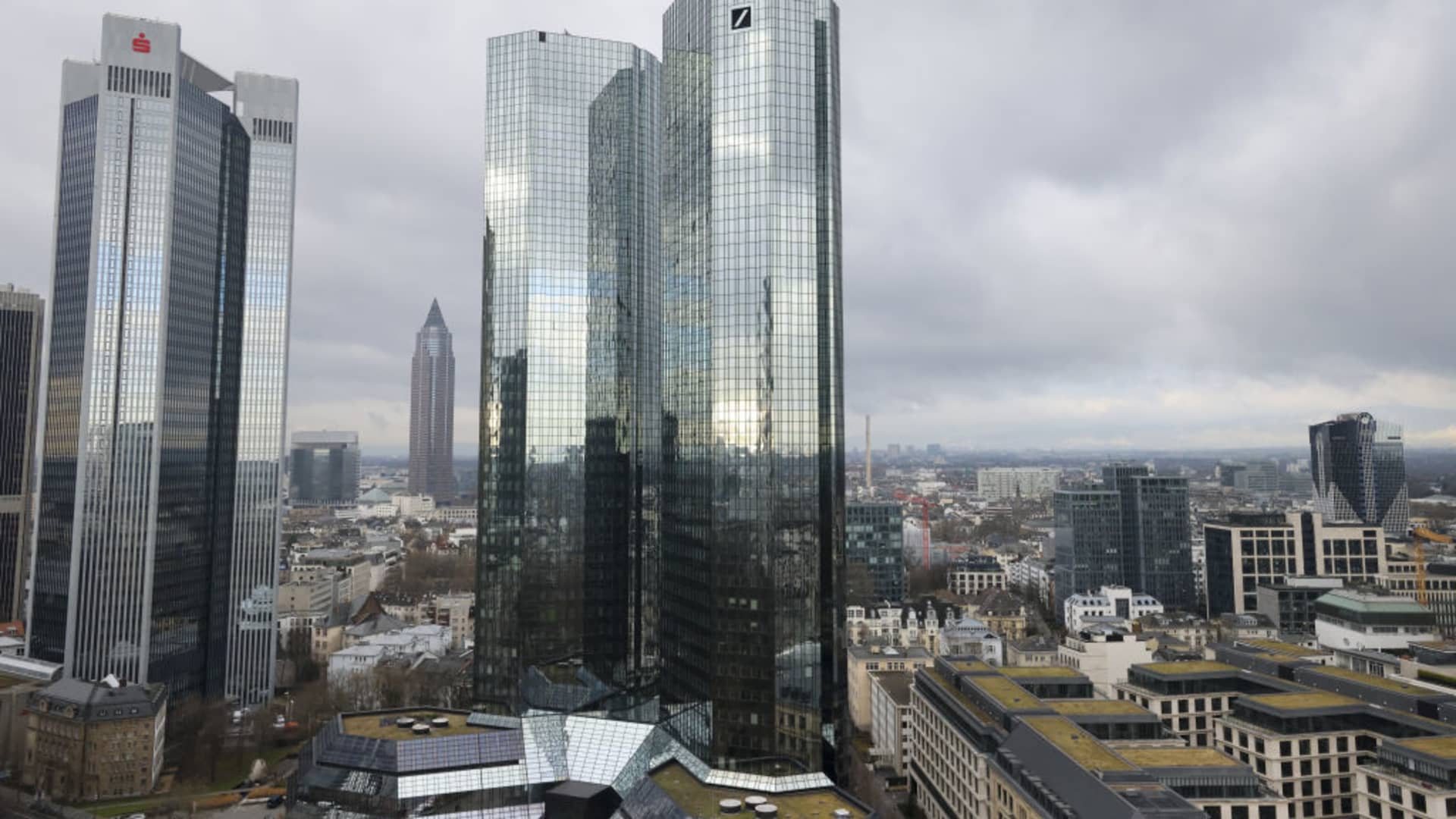
Deutsche Bank, Germany’s leading financial institution, plays a pivotal role in the global banking landscape. As a major player in investment banking, asset management, and private banking, its performance significantly impacts Europe’s economic health. Recent events surrounding Deutsche Bank provide insights into the banking sector’s challenges and opportunities, making it a topic of significant relevance in the current financial climate.
Recent Developments
In recent months, Deutsche Bank has faced a series of challenges linked to market volatility and stricter regulatory frameworks. Following mixed financial results for Q3 2023, investors raised concerns over the bank’s ability to maintain profitability amidst heightened competition and rising interest rates. The bank reported a net profit of €1.2 billion, down from €1.5 billion in the previous quarter, indicating a need for strategic adaptation.
Moreover, Deutsche Bank’s ongoing restructuring efforts aim to streamline operations and reduce costs. In October 2023, management announced plans to cut approximately 4,000 jobs globally by the end of 2024, a move that has been controversial but seen as necessary for long-term sustainability. This restructuring reflects broader trends within the banking sector, where financial institutions are compelled to enhance efficiency and adapt to evolving market demands.
Market Reactions
The market response to Deutsche Bank’s recent announcements has been mixed. While some analysts express optimism regarding the bank’s strategy to refocus on core strengths, others remain skeptical about future growth potential. Following the job cut announcement, shares in Deutsche Bank experienced a slight decrease but later rebounded as some investors noted the potential for improved operational efficiency.
Furthermore, geopolitical factors, such as the ongoing energy crisis in Europe and fluctuating inflation rates, continue to pose risks for Deutsche Bank. As central banks adjust monetary policies in response, the bank’s ability to navigate these shifts will be crucial for its financial stability and market confidence.
Conclusion
In conclusion, Deutsche Bank stands at a crossroads, facing both substantial challenges and opportunities. As the bank implements significant restructuring measures and adapts to a changing financial landscape, stakeholders will be watching closely. The outcomes of these strategies will not only influence Deutsche Bank’s future but also reverberate across the global banking sector. For investors and market analysts, understanding these dynamics is essential for making informed decisions in an increasingly complex economic environment.