









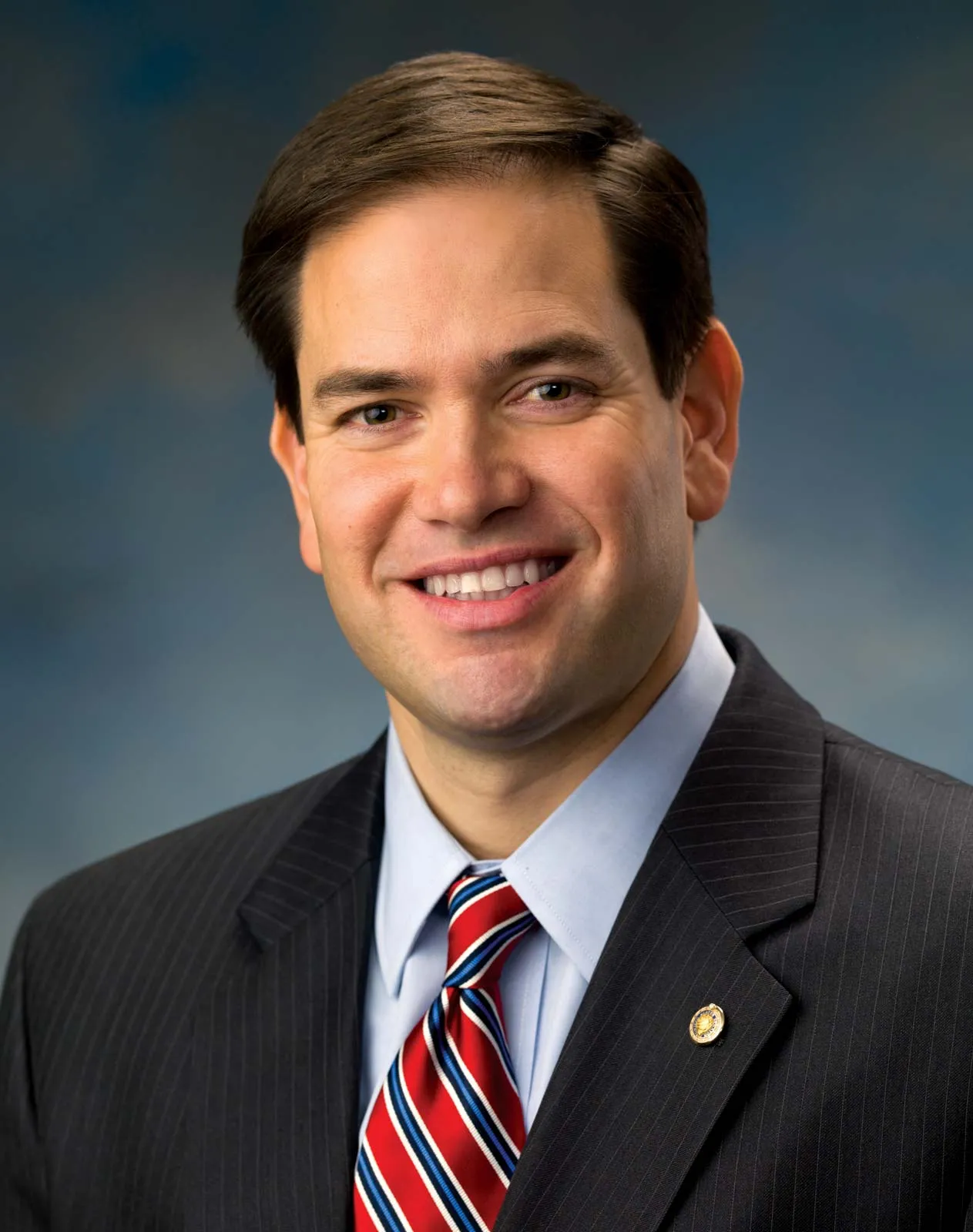
Introduction
Marco Rubio, a prominent figure in American politics, has played a significant role in shaping policies and public opinion in the United States. As a U.S. Senator from Florida and a former presidential candidate, Rubio’s actions and decisions resonate not just in his home state but across the nation. Understanding his journey is crucial to grasp the current landscape of American politics, especially as new legislative challenges emerge.
Marco Rubio’s Political Background
Marco Antonio Rubio was born on May 28, 1971, in Miami, Florida. His political career began in 2000 when he was elected to the West Miami City Commission. By 2004, Rubio had ascended to the Florida House of Representatives, where he served as Speaker from 2006 until 2008. His tenure was marked by a commitment to free-market policies and education reform.
In 2010, Rubio sought higher office, winning a seat in the U.S. Senate. His campaign was notable for its focus on addressing economic challenges and reforming immigration policies. Since taking office, he has remained a vocal advocate for conservative economic policies and has positioned himself as a prominent voice on national security and foreign affairs.
Recent Activities and Initiatives
As of October 2023, Rubio has been actively involved in various legislative efforts, including those related to the economy, education, and national security. Recently, he has voiced concerns regarding the growing influence of China in global politics, pushing for policies that promote U.S. competitiveness and innovation. His work on the Senate Appropriations Committee has also highlighted his commitment to funding initiatives that bolster American military strength and support veterans.
In light of the upcoming elections, Rubio’s strategic moves are particularly significant. He has been focusing on building connections with younger voters, particularly around issues such as job creation and climate change. His recent speeches emphasize the importance of a unified party and the need to present viable solutions to contemporary challenges faced by American families.
Conclusion
Rubio’s political journey reflects a blend of traditional conservative values with a modern approach to pressing national issues. His influence within the Republican Party and his active role in current events are vital to understanding the future direction of U.S. politics. As the political landscape continues to evolve, Rubio’s strategies and initiatives will likely play a crucial part in shaping the policies that affect citizens across the nation. For voters following the upcoming election cycle, Rubio’s decisions will remain an important factor in evaluating candidates and policies that align with their values.