









Introduction
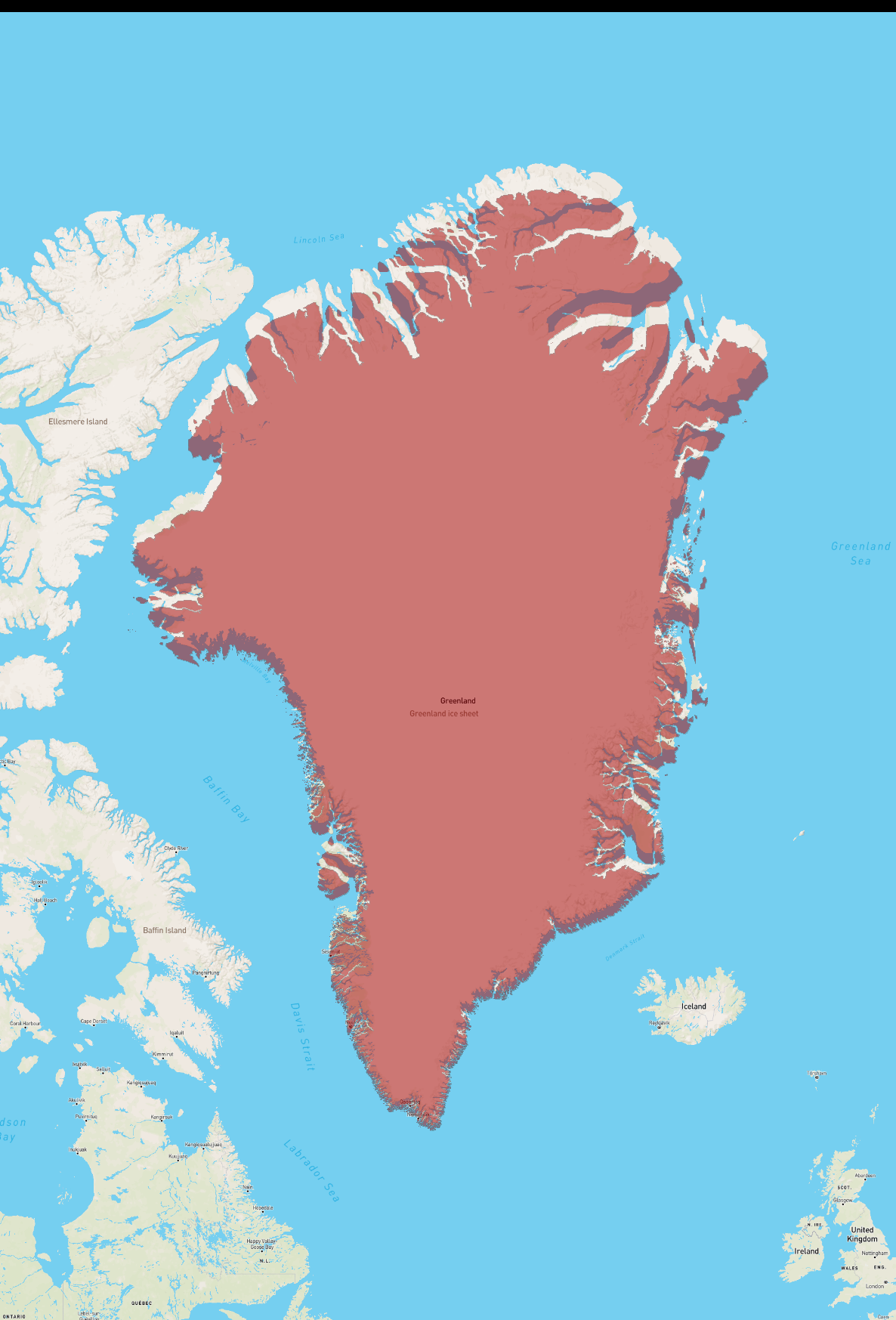
Greenland, the world’s largest island, is facing unprecedented challenges due to climate change. As the Arctic region warms at a staggering rate, the implications for both Greenland and the global climate are profound. Understanding these challenges is essential not only for environmental scientists but for anyone concerned about the planet’s future.
The Melting Ice Sheets
Recent studies indicate that Greenland’s ice sheets are melting faster than previously projected. According to a 2023 report by the National Snow and Ice Data Center (NSIDC), Greenland lost approximately 280 billion tonnes of ice in just one year. This alarming rate of ice loss contributes significantly to rising sea levels, which threaten coastal communities worldwide.
The Impact on Biodiversity
As temperatures rise, Greenland’s unique ecosystem is under threat. The warmer climate is changing habitats, affecting species migration patterns, and endangering local wildlife. For instance, polar bears, reliant on sea ice for hunting, are facing diminished hunting grounds. Moreover, traditional hunting practices of the native Inuit are being disrupted, which poses a risk to their cultural heritage and food security.
Economic Implications
While the melting ice sheets present challenges, they also create new economic opportunities, such as increased shipping routes through the Arctic and access to valuable mineral resources. However, the extraction of these resources raises environmental concerns, leading to debates on sustainable practices. The Greenlandic government is currently balancing the need for economic growth with the imperative to protect its fragile environment.
International Attention and Research
As the geopolitical landscape shifts, Greenland has garnered international attention. Global powers are re-evaluating their Arctic strategies, with countries like the United States and China showing increased interest in the region. In 2022, the United Nations held discussions focused on Arctic governance, highlighting the need for collaborative efforts to tackle climate change and its far-reaching effects.
Conclusion
The future of Greenland is intricately linked to the health of our planet. As climate change accelerates, it is paramount for both local and international stakeholders to work together in addressing these challenges. By investing in sustainable practices and prioritising scientific research, we can hope to mitigate the impacts of climate change on Greenland and, by extension, the global community. The importance of this issue cannot be overstated; the health of Greenland’s ice sheets is a barometer for the world’s climate, making its preservation critical for future generations.