









Introduction
The Last of Us, a video game franchise created by Naughty Dog, has transcended its origins as a mere entertainment platform, evolving into a global cultural phenomenon. Its recent adaptations, including a highly acclaimed television series, have expanded its reach, drawing in new audiences and igniting discussions around its storytelling, character development, and thematic depth. As the world grapples with themes of survival, loss, and humanity’s resilience, The Last of Us remains relevant in today’s discourse.
The Video Game’s Success
Initially released in 2013, The Last of Us received critical acclaim for its rich narrative and compelling characters. The story follows Joel and Ellie, two survivors navigating a post-apocalyptic world ravaged by a fungal infection. The gameplay combined action, survival horror, and emotional storytelling, earning numerous awards, including Game of the Year. Its success resulted in a sequel, The Last of Us Part II, released in 2020, which echoed the original’s themes while examining the vicious cycle of violence.
Transition to Television
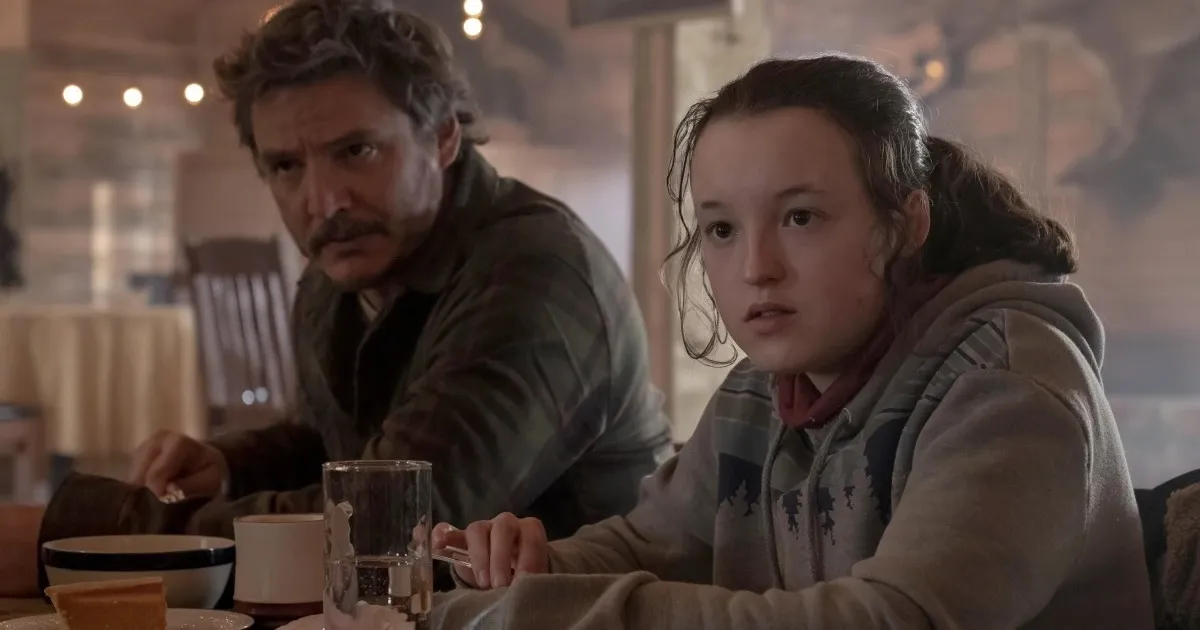
In early 2023, a television adaptation premiered on HBO, further solidifying the franchise’s grip on popular culture. The series, starring Pedro Pascal and Bella Ramsey, has received widespread acclaim for staying true to the source material while expanding on character backstories and world-building. It has opened discussions about adaptation fidelity and the medium’s potential to explore complex narratives. According to recent ratings, the inaugural episode garnered over 10 million viewers, showcasing the widespread appeal of the story.
Impact and Cultural Relevance
The Last of Us has invoked conversations around morality, the nature of humanity in dire circumstances, and the impact of trauma. The themes resonate deeply in our current times, touching on the fragility of society and the extraordinary lengths individuals will go for love and survival. In addition, the franchise has prompted various forms of artistic expression, from fan art to academic discourse studying its narrative structure and character arcs.
Conclusion
As The Last of Us continues to expand through different media, its significance in both the gaming and television landscapes remains substantial. The crossover success indicates a readiness in audiences for complex stories that challenge perceptions of right and wrong. Looking forward, it will be interesting to see how this franchise evolves and whether new narratives will emerge from such a richly constructed world. For both veterans and newcomers, The Last of Us promises an ongoing exploration of what it means to be human in the face of adversity.