









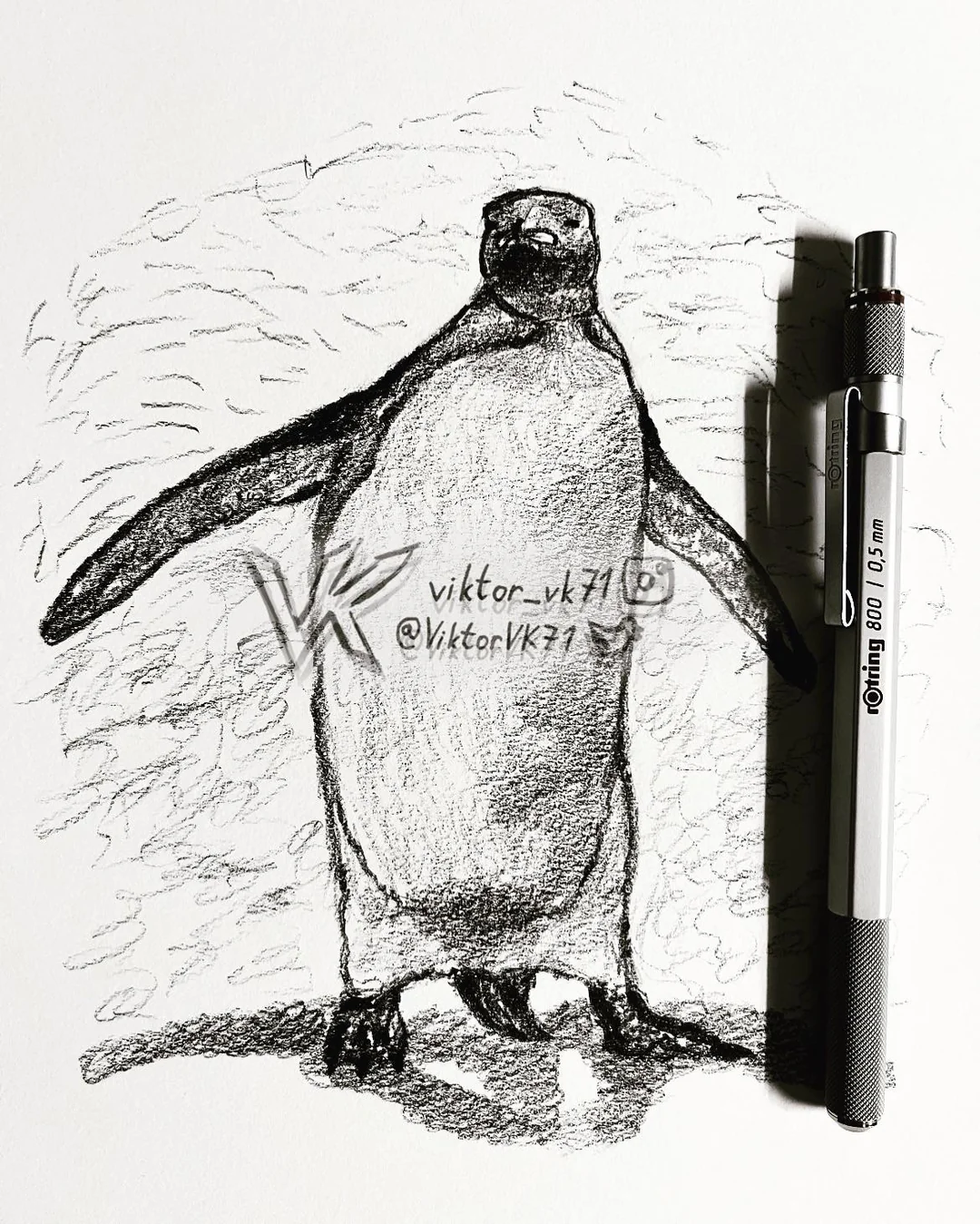
Introduction: Why Penguins Matter
Penguins are among the most beloved birds in the animal kingdom, known for their whimsical waddle and captivating swimming abilities. Found primarily in the Southern Hemisphere, particularly in Antarctica, these flightless birds play a vital role in their ecosystems. As climate change and environmental factors threaten their habitats, understanding penguins and their significance has become increasingly important.
Facts about Penguins
There are 18 species of penguins, each with unique characteristics. The Emperor Penguin, the largest species, can weigh up to 40kg and stand nearly 1.2 meters tall. Unlike their larger cousin, the Tiny Blue Penguin, or Fairy Penguin, measures just 30cm tall. Penguins are well-adapted to life in the water; they have a streamlined body to aid swimming and a thick layer of blubber for insulation against freezing temperatures.
Current Conservation Efforts
Recent studies have shown alarming declines in various penguin populations. According to the International Penguin Conservation Group, over 50% of the world’s penguin species are currently listed as endangered or vulnerable. The primary threats to their survival include climate change, overfishing, and habitat destruction.
Conservation efforts are underway in several regions to protect penguins and their habitats. For instance, initiatives in Patagonia aim to mitigate the impact of fishing on penguin prey and establish marine protected areas. Moreover, organisations like the WWF are working to raise public awareness about the threats faced by these iconic birds.
Importance of Penguins in Ecosystems
Beyond their endearing appearance, penguins are essential indicators of ocean health. As apex predators, they help regulate the populations of the fish and crustaceans they consume. Changes in penguin populations can signal shifts in marine ecosystems, making their conservation critical for maintaining ecological balance.
Conclusion: The Future of Penguins
The current situation of penguins serves as a poignant reminder of the effects of climate change and human activity on wildlife. As guardians of the environment, both individuals and communities can play a role in protecting these animals. Simple actions like supporting sustainable seafood, reducing carbon footprints, and advocating for marine conservation can help secure a future for penguins.
In summary, penguins are not just delightful residents of our planet; they are vital to the health of marine environments. By raising awareness and engaging in conservation efforts, we can ensure that future generations will continue to marvel at these remarkable birds.