









Introduction
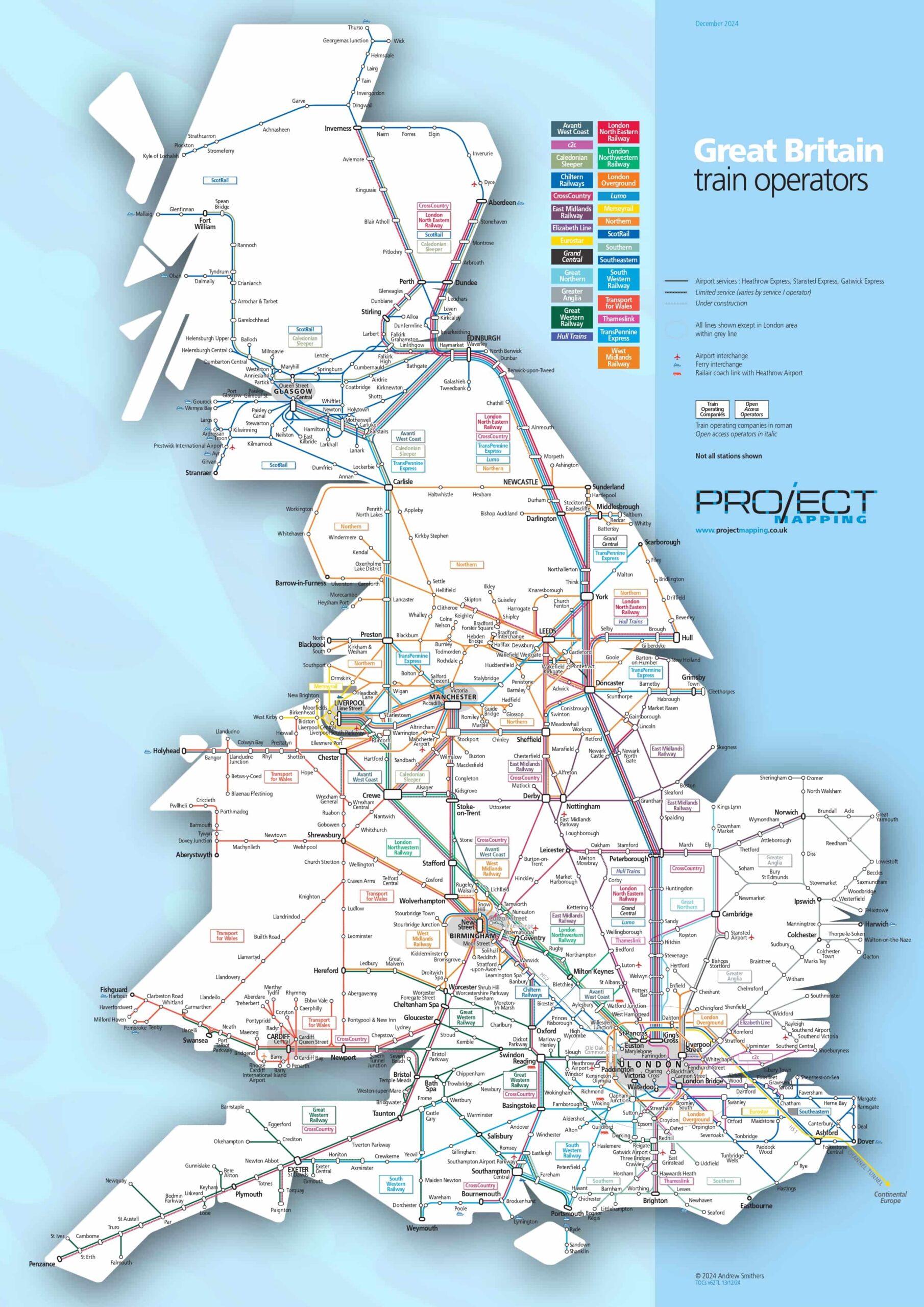
National Rail constitutes a pivotal part of the United Kingdom’s transport infrastructure, providing essential rail services across the country. Serving millions of passengers daily, the National Rail network facilitates commuting, tourism, and freight transport, thereby playing a crucial role in the economy. This article delves into the current state of National Rail, highlighting its significance, recent developments, and future challenges.
Current State of National Rail
The National Rail network comprises 28 train operating companies (TOCs), which manage the vast majority of passenger services outside London. It operates within the framework set by the Office of Rail and Road (ORR) and is continually adapting to changes, including evolving passenger needs and technological advancements. As of late 2023, National Rail is witnessing a resurgence in passenger numbers, particularly as public transport embraces a post-pandemic recovery.
Recent Developments
One notable recent development in National Rail operations is the ongoing investment in infrastructure upgrades. The UK government has outlined plans to inject £48 billion into rail improvements over the next four years to enhance services and ensure better connectivity. Projects include the installation of new signalling technologies, station refurbishments, and electrification of lines to reduce reliance on diesel-powered trains. In addition, National Rail has placed a significant emphasis on passenger experience by introducing user-friendly technologies like mobile ticketing and real-time travel information via apps.
Challenges Ahead
Despite the progress, the National Rail system faces challenges, including staffing shortages and rising costs. The rail industry has struggled with the recruitment of train staff, partly due to the pandemic’s impact on the workforce. Rising operational costs, compounded by inflation, have raised questions about the sustainability of fare structures and service levels. Furthermore, achieving net-zero carbon emissions by 2050 remains a daunting task; hence, a balance between development and environmental responsibility is crucial.
Conclusion
Looking ahead, National Rail must navigate the twin challenges of maintaining high service standards while embracing innovations to reduce its carbon footprint. Committed stakeholders, including government entities, private operators, and passengers, must collaborate to ensure the resilience and enhancement of this essential service. As the transport landscape continues to evolve, the efforts made within National Rail will undoubtedly influence the future of travel in the UK, making it more reliable, efficient, and sustainable.