







Introduction
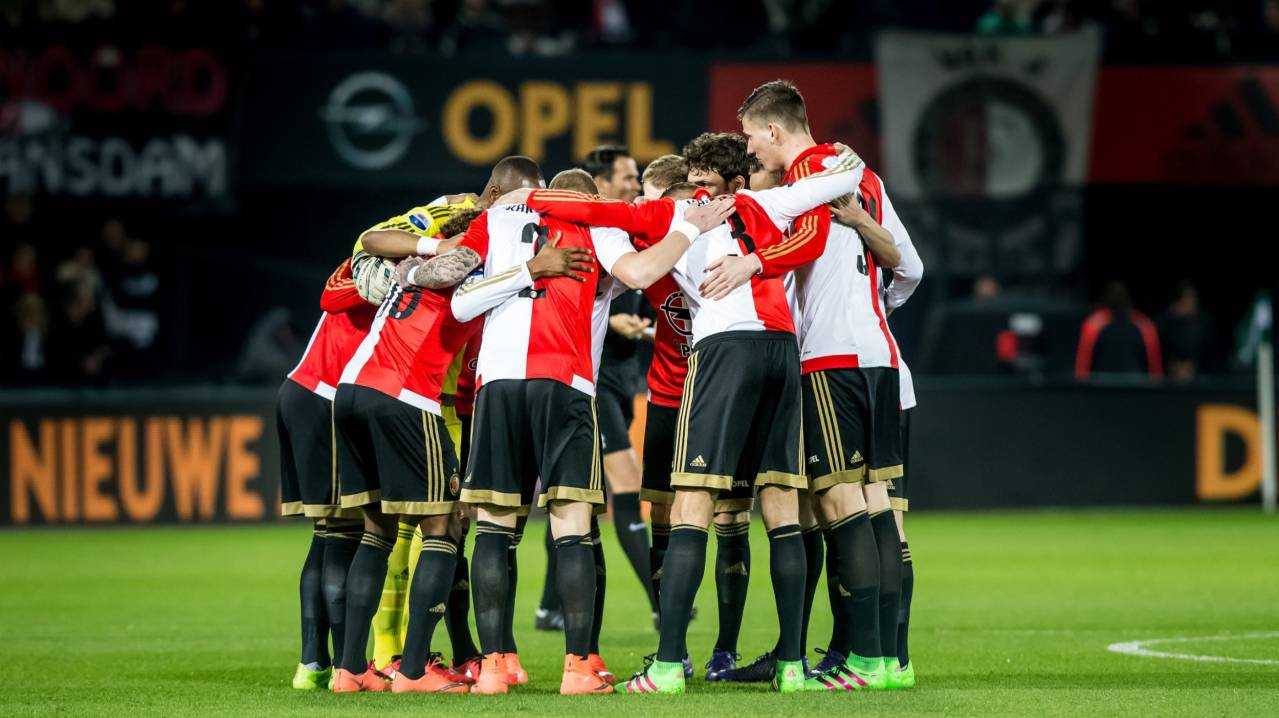
Feyenoord, based in Rotterdam, Netherlands, is one of the most successful and historically significant football clubs in the country. Founded in 1908, Feyenoord has a rich legacy and numerous national trophies to its name. The club has a passionate fan base and has consistently played a crucial role in Dutch football, making it an essential topic of discussion among sports enthusiasts and analysts alike.
Recent Developments
In recent years, Feyenoord has seen a resurgence in both form and fan engagement. The 2022-2023 Eredivisie season marked a remarkable comeback for the club, culminating in a successful campaign where they secured the league title after a long absence from the top of the Dutch football hierarchy. This victory highlighted the club’s progression under the leadership of head coach Arne Slot, who implemented a vibrant style of play that captivated fans and players alike.
Moreover, Feyenoord’s remarkable European journey in the UEFA Conference League is noteworthy. The club reached the final in 2022, showcasing its ability to compete on an international stage. The team’s performance not only reinforced Feyenoord’s reputation but also illustrated the growing competitiveness of Dutch clubs in European tournaments.
Future Prospects
Looking ahead, Feyenoord aims to build upon its recent successes. The club’s management has been proactive in the transfer market, seeking to strengthen the squad while nurturing young talent from its renowned youth academy. This strategy is likely to maintain and enhance Feyenoord’s competitive edge in both domestic and European competitions.
Conclusion
In conclusion, Feyenoord’s rich history, combined with its recent achievements, solidifies its status as a powerhouse in Dutch football. As the club continues to grow, both on and off the pitch, it remains a central figure in discussions about the future of football in the Netherlands. For fans and analysts, keeping an eye on Feyenoord’s developments will undoubtedly be exciting, as the club is striving not just for domestic dominance but aiming to reclaim its position as a force in Europe.