









Introduction
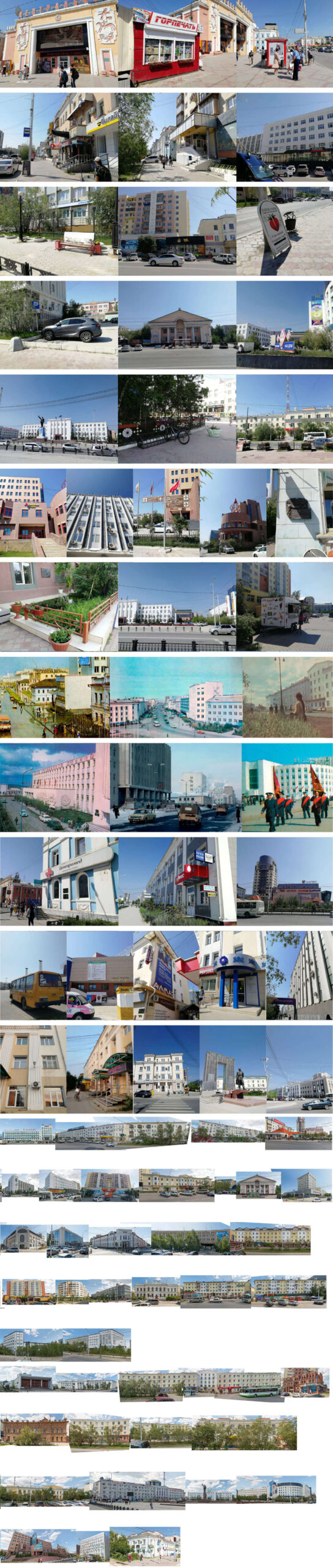
Yakutsk, the capital city of the Sakha Republic, Russia, holds the title of the coldest city on Earth, with winter temperatures plunging below -40 degrees Celsius. This extreme climatic condition makes Yakutsk a significant point of interest for those studying meteorology, climate change, and human adaptation in severe environments. With a population of over 300,000, this city is not just about frigid temperatures; it also boasts a rich cultural heritage and resilience that makes it a fascinating place to explore.
Climate and Weather
Yakutsk is located in the eastern part of Siberia, and its subarctic climate is characterised by long, harsh winters and short, warm summers. According to meteorological data, the average January temperature sits around -38 degrees Celsius, and the city experiences over 200 days of sub-zero temperatures annually. In contrast, July can see temperatures rise to a pleasant 20 degrees Celsius. This stark contrast is symptomatic of ongoing climate change, leading to debates on how warming may affect such a unique ecosystem.
Historical Context
Founded in 1632 as a fort by Cossack explorers, Yakutsk has evolved into a vital cultural and economic centre in Siberia. The establishment of the city was primarily aimed at controlling the region’s fur trade and facilitating Russian colonisation. Today, visitors can find numerous museums and cultural institutions that reflect the diverse history of the Sakha people and Russian influences in the area.
Cultural Significance
Despite its extreme weather, Yakutsk is renowned for its vibrant culture, particularly in music, dance, and the arts. The city celebrates several festivals throughout the year, most notably the Yhyakh Festival, which marks the arrival of summer and is rooted in ancient Yakut traditions. Additionally, the Mammoth Museum hosts an impressive collection of prehistoric relics, drawing attention from scholars and tourists alike.
Modern Challenges and Adaptations
The residents of Yakutsk continue to adapt to their icy environment, with innovations in architecture and heating systems designed to cope with the rigorous climate. The city has also invested in infrastructure to support its economy, focusing on resource extraction and developing industries such as tourism. The local government is prioritising improvements in living conditions to retain its population, which has been dwindling due to migration toward milder climates.
Conclusion
Yakutsk is not just a city of extreme temperatures; it is a testament to human resilience in one of the harshest inhabitable environments on the planet. As conversations about climate change grow louder, understanding how communities like Yakutsk adapt to their climate will offer crucial insights into the future of human habitation in extreme conditions. For those adventurous enough to experience its winter wonderland, Yakutsk provides a unique blend of culture, history, and the stark beauty of Siberia.