









Introduction
Darren O’Dea, a prominent figure in the world of football, has made significant contributions both on and off the pitch. Born on 4th July 1987 in Dublin, Ireland, O’Dea’s journey in professional football has been marked by resilience, talent, and leadership. His career highlights the developments not only in his personal journey but also in the teams he has represented, making it a fascinating topic for football enthusiasts.
Career Highlights
O’Dea began his career at the famed Celtic FC, joining the youth academy in 2003. He made his first-team debut in 2006 and became known for his versatility on the pitch, playing primarily as a centre-back but also capable as a left-back. His time at Celtic was characterized by memorable moments, including winning multiple Scottish League titles and the Scottish Cup. In 2010, he moved on loan to several clubs, including Reading and Sheffield Wednesday, further gaining valuable experience in different competitive settings.
International Representation
In addition to his club career, O’Dea has also represented the Republic of Ireland at various youth levels, moving up to the senior team where he earned his first cap in 2009. His international career saw him participating in crucial matches and tournaments, providing insight into his capabilities under pressure, fostering a strong reputation in international football.
Recent Developments
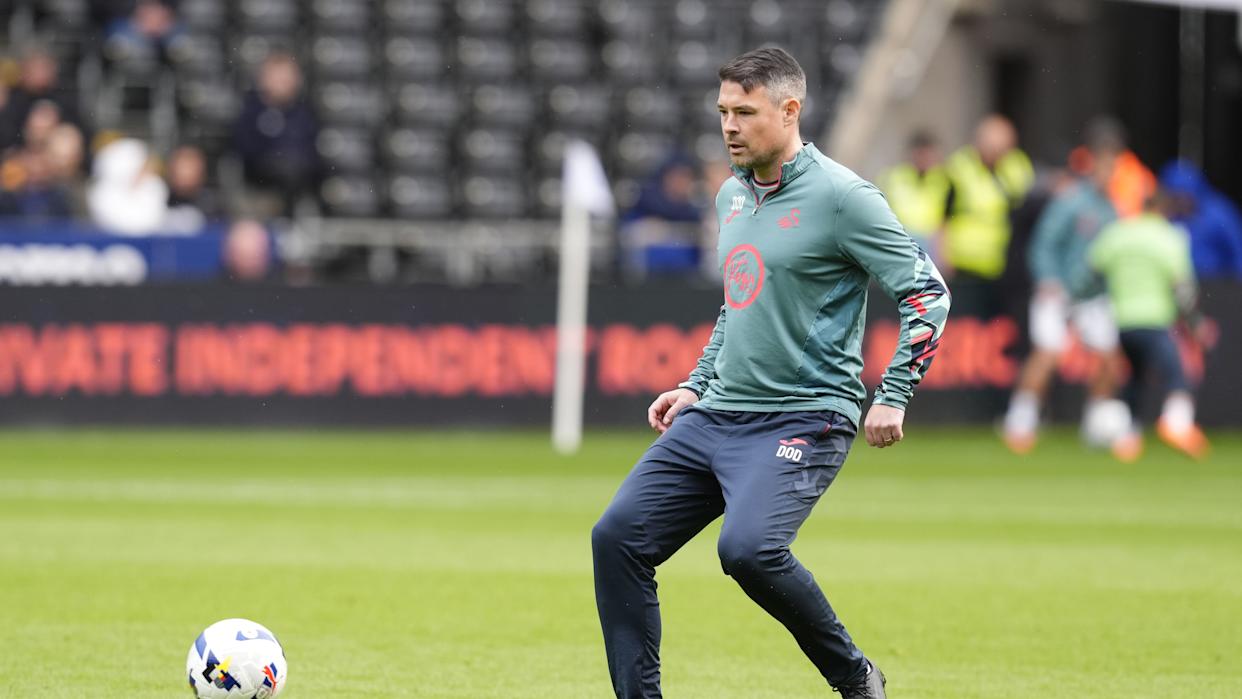
In recent years, Darren O’Dea has transitioned from playing professionally to contributing to football in other capacities. As of 2021, he has taken on roles in various clubs as a coach and mentor, dedicating himself to nurturing young talent and offering his extensive experience to future generations of footballers. His commitment to the sport extends beyond the field, as he engages in community initiatives and sports commentary, bringing fans closer to the game.
Conclusion
Darren O’Dea’s journey from a young boy in Dublin to a professional footballer and coach is a testament to his dedication to the sport. His insights and experiences continue to inspire many within the football community. As he forges ahead in his coaching career, stakeholders in football can expect his influence to shape the next wave of players in the industry. O’Dea’s legacy as a footballer intertwines with his role as a mentor, highlighting the cyclical nature of sport and its continuing impact on society.