








Who is involved
Before the recent developments, Emirates Airlines had faced significant disruptions in its operations due to ongoing conflicts in the Middle East. The airline’s ability to maintain its extensive network of routes was severely hampered, leading to a reduction in services and cancellations. Travelers had come to expect a limited number of flights, particularly to popular destinations like Dubai, which is a major hub for international travelers.
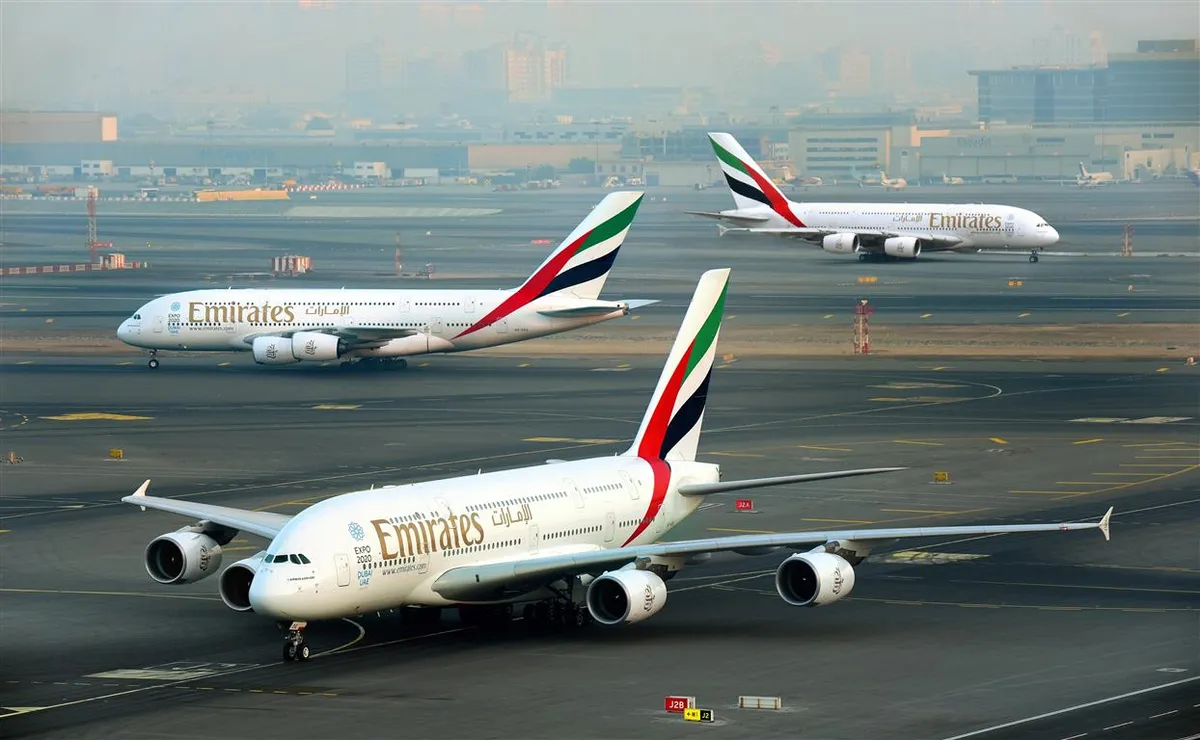
However, a decisive moment arrived as Emirates announced the resumption of its services to Dubai, albeit on a reduced basis. The airline is now operating five weekly flights using the Airbus A380, a flagship aircraft known for its capacity and comfort. This change marks a significant step towards restoring normalcy in operations and meeting the demand from travelers eager to return to the skies.
The impact of this shift is evident at Nice-Côte d’Azur Airport, which is set to feature a record 15 summer long-haul routes in 2026. Among these new routes are connections to major U.S. cities such as Boston, Atlanta, Philadelphia, and Washington. This expansion not only enhances travel options for passengers but also underscores the airport’s growing importance as a gateway for international travel.
Despite the positive developments, the airline industry continues to grapple with challenges. Recently, Emirates had to cancel two departures to Dubai, including one operated by the A380. Additionally, over 25 flights were canceled across multiple airports in Egypt, primarily affecting travel to Dubai. Cairo International Airport emerged as the main hub for these disruptions, which included multiple services to major Gulf destinations operated by EgyptAir.
Experts highlight the significance of these changes in the context of the broader aviation landscape. Franck Goldnadel, President of the Management Board of the French Riviera Airports, remarked, “This programme reflects the economic dynamism and international appeal of our region, as well as the confidence of airlines.” This statement reflects a growing optimism among stakeholders in the aviation sector, as airlines like Emirates adapt to the evolving travel environment.
As Emirates continues to navigate the complexities of international travel, uncertainties remain. The exact number of new destinations that Emirates will serve is not confirmed, and the ongoing regional conflicts could still impact flight operations. Details remain unconfirmed.
In summary, the introduction of new A380 routes from Nice-Côte d’Azur represents a significant development for Emirates and its passengers. As the airline works to restore its network and adapt to changing circumstances, travelers can look forward to enhanced connectivity and more options for their travel plans.