








How it unfolded
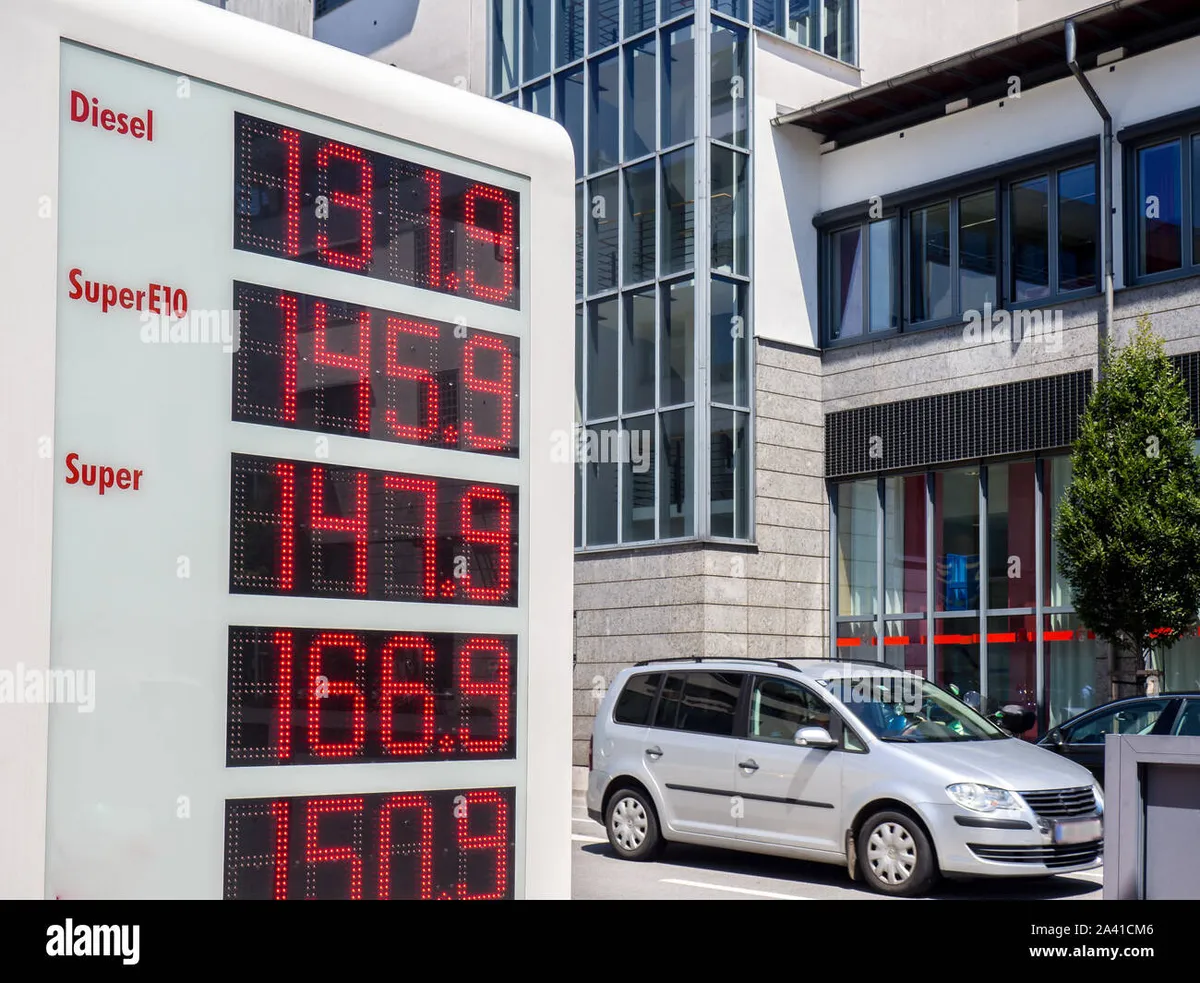
On March 23, 2026, Pakistan’s fuel market faced significant changes as the government announced a substantial increase in the levy on high-octane fuel. The levy was raised by PKR 200 per litre, bringing it to PKR 300 per litre. This decision came on the heels of an earlier increase in petrol prices earlier in March, where the price surged by PKR 55 per litre, elevating it from PKR 266.17 to PKR 321.17 per litre. Diesel prices also saw a rise, increasing from PKR 280.86 to PKR 335.86 per litre.
Prior to this announcement, the federal government had decided to maintain petrol and high-speed diesel prices unchanged for the week starting March 21, 2026. Despite the rise in international oil prices, petrol remained at PKR 321.17 per litre and high-speed diesel at PKR 335.86 per litre. This decision was part of a broader strategy to manage the impact of rising oil prices on consumers and the economy.
In response to the escalating costs, the government allocated PKR 23 billion in price differential claims to oil marketing companies. This allocation was intended to cushion the impact of rising oil prices on consumers, reflecting the government’s concern over the financial burden placed on households. High-octane petrol prices have surged to around PKR 535 per litre, further complicating the situation for consumers relying on petrol-powered vehicles.
The increasing fuel prices have led to significant changes in the cost of operating vehicles. For instance, a typical petrol-powered C-segment SUV now costs approximately PKR 32 per kilometre to run on regular petrol, while running a luxury SUV on high-octane fuel can cost around PKR 53–54 per kilometre. In contrast, using a plug-in hybrid electric vehicle (PHEV) costs about PKR 10 per kilometre, highlighting the growing appeal of alternative fuel vehicles amidst rising petrol prices.
Syed Asif Ahmed, an industry expert, commented on the situation, stating, “At these price levels, running a conventional petrol SUV is becoming a serious burden on household budgets.” This sentiment reflects the broader concerns among consumers as they navigate the financial implications of increased fuel costs.
Moreover, the rising petrol prices are not just a concern for individual consumers but also have wider economic implications. A 20% increase in global oil prices could potentially widen Pakistan’s fiscal deficit by approximately PKR 487 billion in the fiscal year 2026. This projection underscores the interconnectedness of global oil markets and local economies, as fluctuations in oil prices can have cascading effects on national budgets and consumer spending.
In light of these developments, Pakistan’s rooftop solar market has expanded rapidly, indicating a growing shift towards self-generation and alternative energy sources. As consumers seek to mitigate the impact of rising fuel costs, the adoption of renewable energy solutions may become increasingly attractive.
The sequence of events surrounding petrol prices in Pakistan is significant for consumers, policymakers, and the economy at large. As fuel prices continue to rise, the pressure on household budgets intensifies, prompting discussions about alternative energy solutions and the need for sustainable transportation options. The government’s response to these challenges will be closely monitored as consumers adapt to the evolving landscape of fuel prices.