


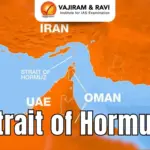




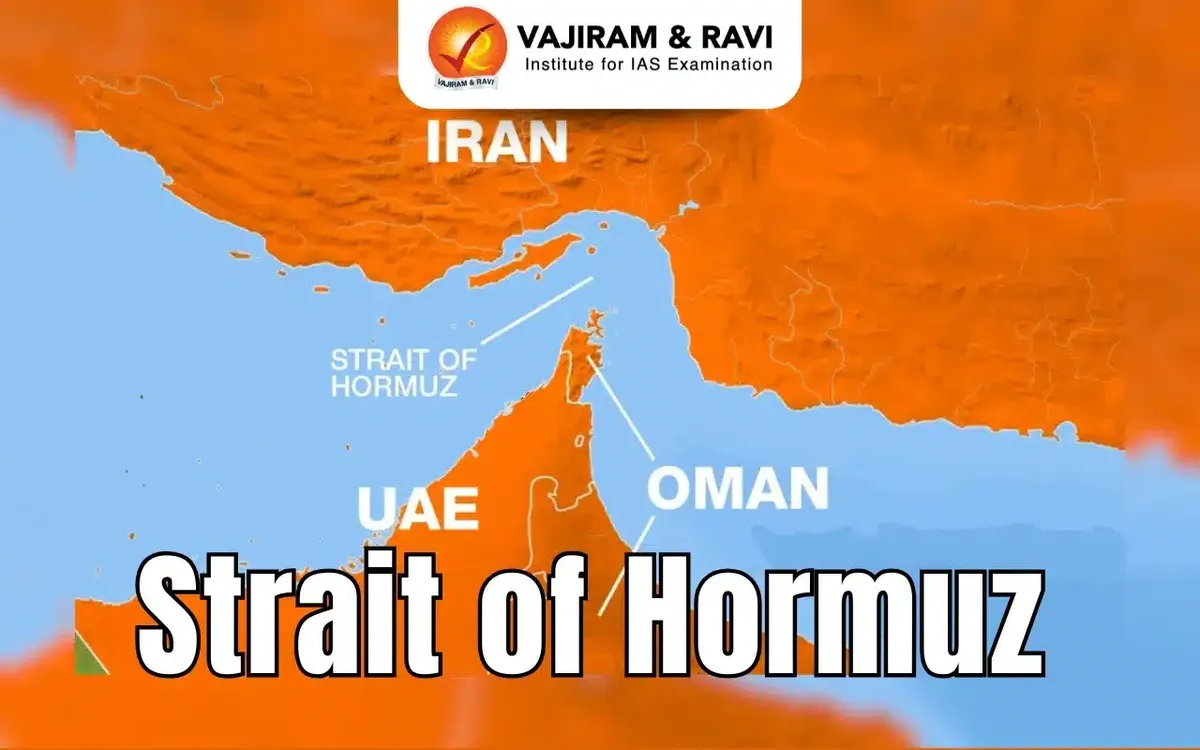
The closure of the Strait of Hormuz by Iran has had a profound impact on global oil and gas flows, raising concerns about energy security worldwide. This strategic waterway is vital for approximately 20 percent of global liquefied natural gas trade and handles about 20 million barrels of oil per day.
Since the onset of the war on Iran on February 28, 2026, which began with US and Israeli bombings, Iran has launched missile attacks targeting civilian infrastructure, including oil and gas installations. As a result, at least 21 commercial vessels have reported incidents in the Gulf or Strait of Hormuz since March 1, 2026.
The Iranian actions have led to extensive damage, particularly affecting Qatar’s Ras Laffan Industrial City, and have prompted European nations and Japan to express their readiness to ensure safe passage through the strait. Leaders from Britain, France, Germany, Italy, the Netherlands, and Japan condemned the attacks on unarmed commercial vessels in the Gulf, emphasizing the global ramifications of Iran’s actions.
In response to the escalating crisis, the International Energy Agency authorized a coordinated release of strategic petroleum reserves to stabilize energy markets. This decision comes as European gas prices have surged by over 60 percent since the conflict began, with a notable 25 percent increase on a specific Thursday.
Japan, which relies on the Gulf for 95 percent of its crude oil supplies, is particularly vulnerable to these disruptions. The impact of the conflict is expected to stretch into the future, with analysts predicting a significant rise in energy prices.
Furthermore, the conflict has resulted in the deaths of approximately 1,200 people, including Iran’s supreme leader, Ali Khamenei. The ongoing violence and instability in the region continue to pose risks to international shipping and energy supplies.
As the situation develops, the leaders have called for an immediate comprehensive moratorium on attacks on civilian infrastructure, highlighting the urgent need for de-escalation.
Details remain unconfirmed regarding the full extent of the damage and the potential for further military actions in the region. The international community is closely monitoring the situation as it evolves.