









Introduction
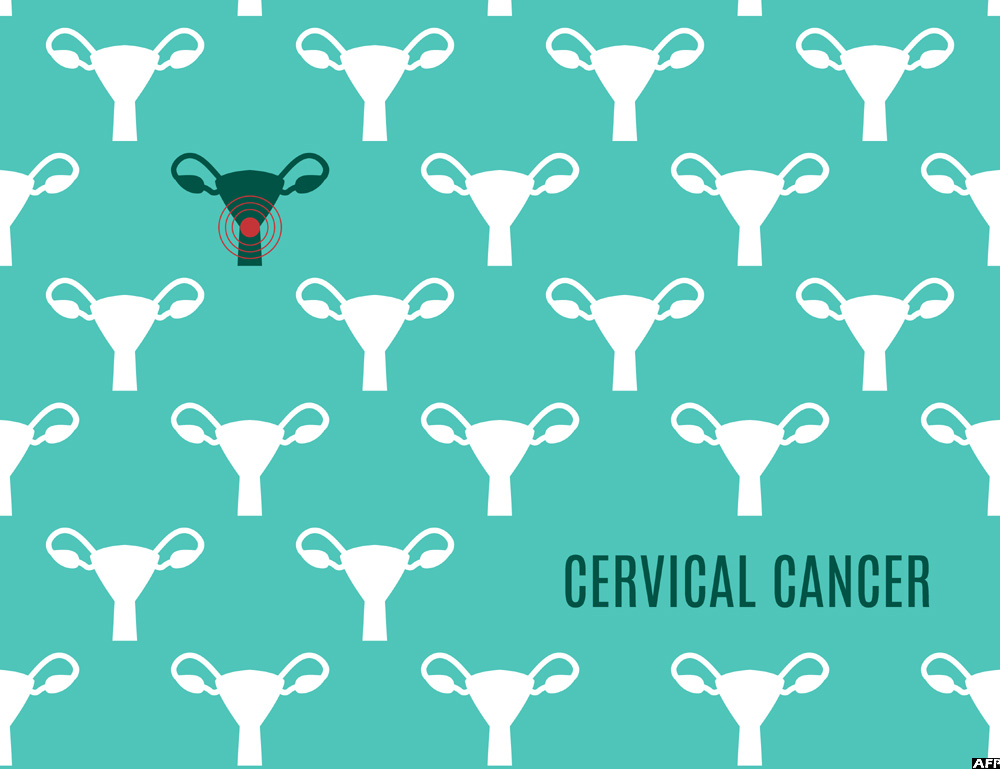
Cancer screening plays a critical role in the early detection and prevention of various types of cancer. With cancer being one of the leading causes of death worldwide, timely screening can significantly increase survival rates and improve treatment outcomes. In the wake of rising cancer incidences, enhancing public awareness about the importance of regular screenings has become a priority for healthcare systems across the globe.
Current Statistics and Events
According to Cancer Research UK, approximately one in two people will be diagnosed with cancer in their lifetime. Recent studies suggest that early detection of cancers such as breast, cervical, and colorectal through regular screening can reduce mortality rates by 20 to 30 percent. In the UK, the National Health Service (NHS) runs systematic screening programmes, which have been effective in catching cancers at earlier, more treatable stages.
This year, health authorities have ramped up their campaigns to encourage screening, particularly in light of the disruptions caused by the COVID-19 pandemic, which resulted in a backlog of screening appointments. The NHS, along with local health organisations, is working tirelessly to remind the public of available services and the life-saving benefits of screenings.
Upcoming Initiatives
In an effort to increase participation, the NHS has launched educational initiatives focusing on the risks and signs of various cancers, emphasising that early screening remains a vital step in reducing cancer-related deaths. This year’s campaign includes targeted outreach to underrepresented communities, aiming to provide equal access to screening services.
Conclusion
The importance of cancer screening cannot be overstated. With enhanced awareness, improved access, and the adoption of new technologies, early detection rates can potentially rise, leading to better patient outcomes. As healthcare professionals continue to advocate for screening, it is crucial for individuals to engage with their healthcare providers about appropriate screenings based on personal health histories and risk factors. The future of cancer treatment depends significantly on our collective commitment to early detection through effective screening programmes.