








What the data shows
What is the moon phase today? On March 18, 2026, the answer is that the Moon is in its Waning Crescent phase, with only 1% of its surface illuminated. This phase occurs as the Moon transitions from the Last Quarter to the New Moon, a cycle that takes approximately 29.5 days to complete.
The Waning Crescent phase is characterized by a small sliver of the Moon being visible, which is a result of the Sun illuminating only a fraction of its surface. As the Moon continues its orbit around Earth, it will eventually reach the New Moon phase, where it will be completely dark.
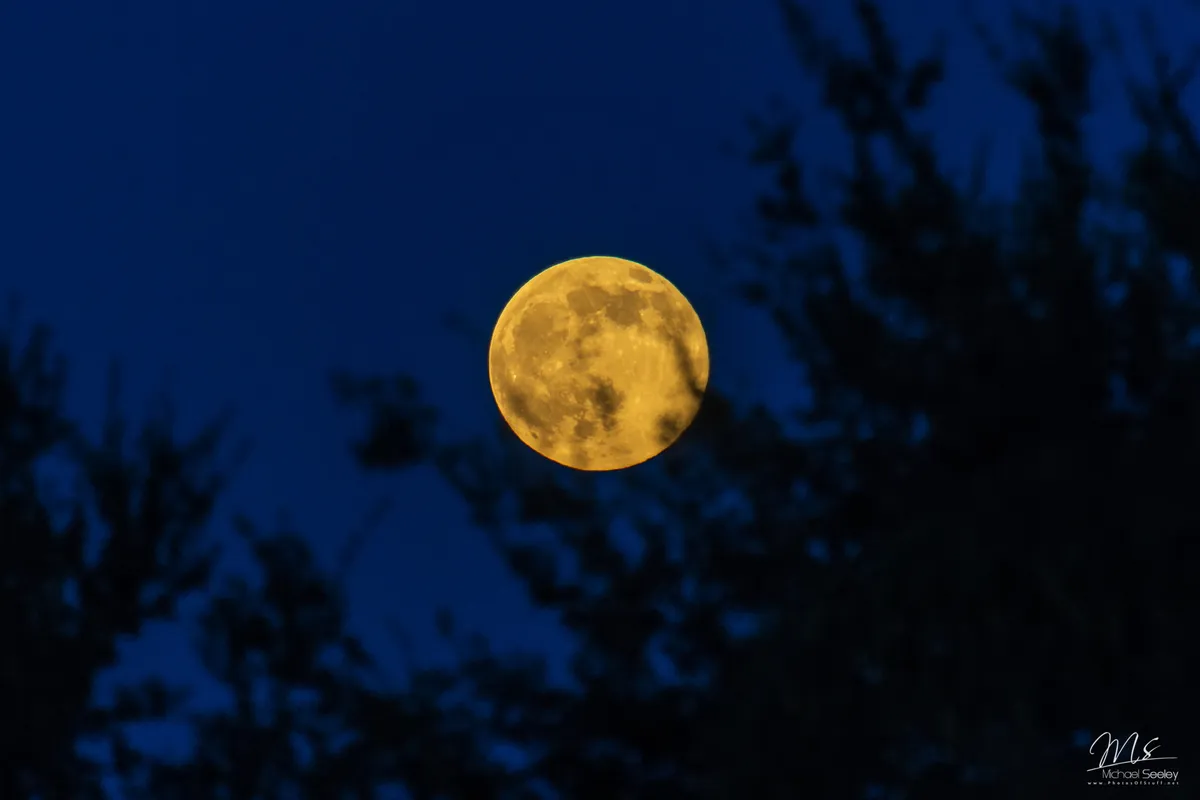
Looking ahead, the next significant lunar event will be the Full Moon, which is predicted to occur on April 1, 2026. This Full Moon is commonly referred to as the Pink Moon, named for the early spring blooms of pink flowers. The Full Moon represents a time when Earth is positioned directly between the Sun and the Moon, allowing the entire face of the Moon to be illuminated.
The Moon goes through eight distinct phases: New Moon, Waxing Crescent, First Quarter, Waxing Gibbous, Full Moon, Waning Gibbous, Last Quarter, and Waning Crescent. Each phase reflects the changing position of the Moon in relation to the Earth and the Sun, creating a dynamic celestial display that has been observed for centuries.
The current Waning Crescent phase signifies a period of reflection and preparation for the upcoming New Moon. As the Moon continues its orbit, observers will notice the gradual increase in illumination as it transitions back to the Waxing Crescent phase, leading up to the next Full Moon.
Understanding the phases of the Moon is not only important for astronomy enthusiasts but also for various cultural and agricultural practices around the world. Many cultures have historically aligned their calendars and rituals with the lunar cycle, emphasizing the Moon’s influence on tides, planting, and harvesting.
Details remain unconfirmed regarding any specific events or observations related to the Moon on this date. However, the fascination with lunar phases continues to inspire both scientific inquiry and artistic expression.