









What the data shows
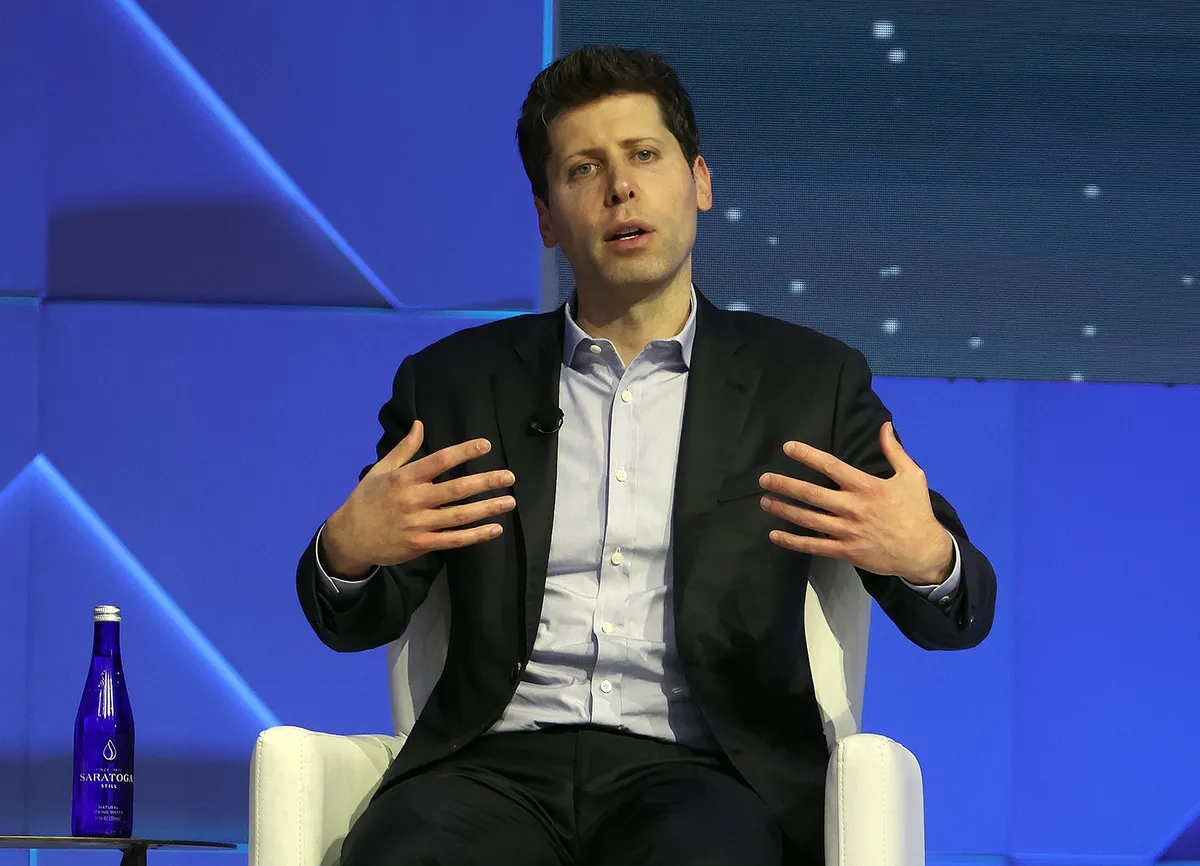
What does the future hold for software developers in an era increasingly dominated by artificial intelligence? Sam Altman, CEO of OpenAI, recently expressed his appreciation for software developers on social media platform X, thanking them for their coding efforts. However, this praise comes at a time when major tech firms, including Amazon, Block, and Atlassian, are executing substantial workforce reductions, raising questions about the sustainability of traditional coding roles.
In recent months, Amazon has laid off 16,000 employees, while Block has cut nearly 50% of its workforce. Atlassian has also made headlines by laying off 10% of its staff. Critics have pointed out the perceived hypocrisy in Altman’s commendation of developers, especially as his company is at the forefront of AI advancements that are contributing to these job cuts in the tech industry.
Altman’s comments have been interpreted by some as dismissive of traditional coding skills, suggesting that the role of human developers is changing. He stated, “I think of these jobs will be supervising a bunch of AI, providing oversight, deciding how to trust the outputs, how to provide guidance.” This shift indicates a transition towards a new type of job that focuses more on managing AI systems rather than traditional programming.
Furthermore, Altman believes that intelligence will soon become a utility, akin to electricity, stating, “We want to flood the world with intelligence.” This perspective aligns with OpenAI’s ongoing investments in infrastructure to support AI development, including the creation of specialized inference chips designed to optimize AI workloads. Altman has emphasized that these chips are intended to be the cheapest inference chips rather than the fastest, indicating a focus on accessibility and cost-effectiveness in AI technology.
The ongoing discourse surrounding Altman’s comments signals a decisive point for the industry, where rapid advancement of technology has the potential to both overhaul workflows and displace jobs. The integration of AI technologies is reshaping the landscape of employment, leading to a growing demand for new skills that may not have been necessary in the past.
As the tech industry continues to evolve, the future remains uncertain for many traditional roles. While some may find opportunities in overseeing AI systems, others may face challenges as their positions become redundant. Altman’s vision for the future suggests a significant transformation in how technology and human labor interact.
Details remain unconfirmed about the long-term implications of these changes on the workforce. However, the trend of AI integration and its impact on job roles is likely to continue to be a focal point in discussions about the future of work in the tech sector.