









Reaction from the field
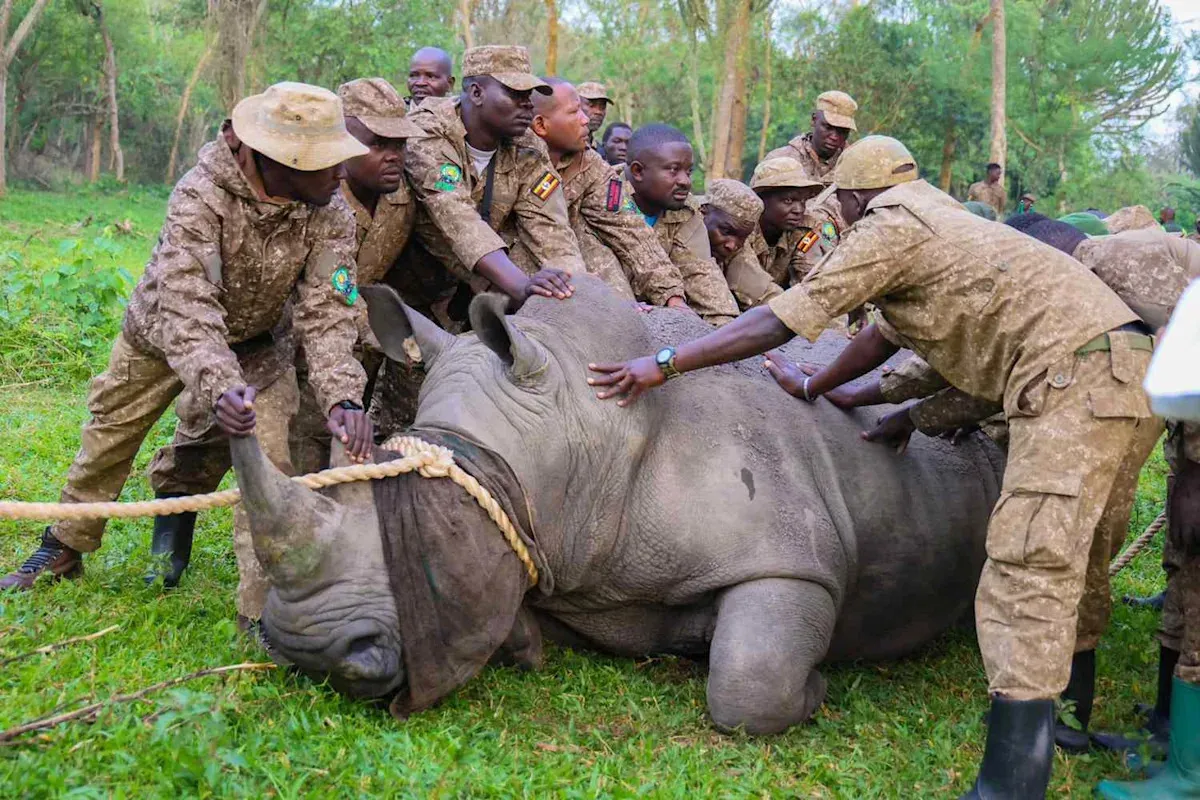
The recent reintroduction of two white rhinos to Kidepo Valley National Park in Uganda is a significant milestone in the country’s conservation efforts, especially considering that the last white rhino was killed by poachers in 1983. This marks the first time in over 40 years that rhinos have roamed the park, a location that once formed a crucial part of their natural habitat.
The Uganda Wildlife Authority (UWA) has spearheaded this initiative, which is part of a broader plan to eventually reintroduce a total of eight rhinos into the park. The two rhinos were bred at the Ziwa Rhino Sanctuary, which has been pivotal in the conservation of this species since its breeding program was established in 2005. The sanctuary has played a crucial role in increasing the population of white rhinos in Uganda, which had been decimated by poaching during the 1970s and 1980s.
Dr. James Musinguzi, a representative from UWA, emphasized the importance of this translocation, stating, “The translocation of these rhinos is the first step in restoring a species that once formed part of the park’s natural heritage.” This initiative is not just about bringing rhinos back; it is about restoring the ecological balance that has been disrupted for decades.
Prior to this reintroduction, a comprehensive study was conducted by UWA to assess suitable habitats for the rhinos. Kidepo Valley National Park was identified as one of the most suitable locations for their return, providing a safe and conducive environment for their survival. The remaining six rhinos are expected to be added to the park in carefully managed phases, ensuring that the reintroduction process is as smooth and successful as possible.
The introduction of these rhinos is described by Dr. Musinguzi as “the beginning of a new rhino story” for the area. This sentiment reflects a broader hope that, over time, additional rhinos will be introduced to gradually rebuild a viable and thriving population in Kidepo. The park’s ecosystem, which has been without rhinos for so long, stands to benefit significantly from their presence.
Historically, rhinos once formed approximately 80% of the park’s natural heritage, making their absence felt not only ecologically but also culturally. The impact of poaching during the 70s and 80s was devastating, leading to a drastic decline in their numbers. The efforts to reintroduce white rhinos are a testament to the commitment of conservationists and the Ugandan government to rectify past wrongs and restore the park’s biodiversity.
As this reintroduction unfolds, the eyes of the conservation community will be on Kidepo Valley National Park. The success of this initiative could pave the way for similar efforts in other regions where wildlife has been threatened by human activity. However, details remain unconfirmed regarding the timeline for the introduction of the remaining rhinos and the long-term strategies that will be employed to protect them from poaching.