








What are the latest developments in the escalating tensions between Iran and Saudi Arabia? Recent events indicate that the patience of Saudi Arabia and its Gulf partners is wearing thin in response to Iranian aggression.
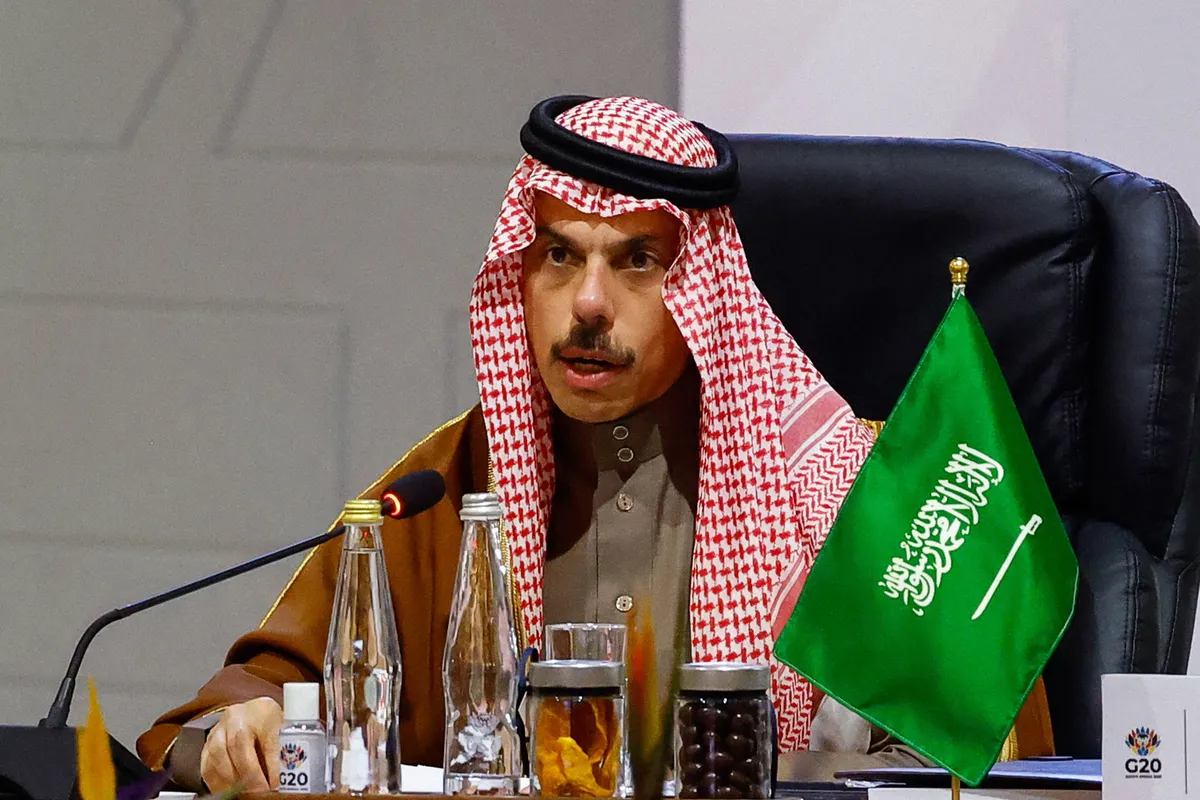
Saudi Arabia’s Foreign Minister, Prince Faisal bin Farhan Al Saud, has issued a stern warning to Iran, stating that the “patience that is being exhibited is not unlimited.” This statement comes after a series of hostile actions attributed to Iran, including the interception of four Iranian ballistic missiles targeting Riyadh.
In a show of military readiness, the United Arab Emirates reported dealing with 13 ballistic missiles and 27 drones, while Iran’s Islamic Revolutionary Guard Corps threatened retaliation against oil and gas facilities in Qatar, Saudi Arabia, and the UAE. Notably, Qatar’s Ras Laffan gas facility, which produces 20 percent of the world’s LNG supply, suffered significant damage from an attack.
Saudi Arabia and its Gulf allies possess substantial military capabilities to respond to these threats, underscoring the seriousness of the situation. Prince Faisal emphasized the need for Iran to “recalculate quickly and stop attacking their neighbours,” indicating that continued aggression could lead to severe consequences.
Iran has been building its strategy of targeting regional neighbors for over a decade, which has contributed to the current tensions. The situation remains precarious, with the potential for further escalation if diplomatic efforts fail.
As of now, the international community is closely monitoring the developments in the Gulf region, with many concerned about the implications for regional stability and global energy supplies. Details remain unconfirmed regarding the full extent of the damage and the responses from the affected nations.