









Who is involved
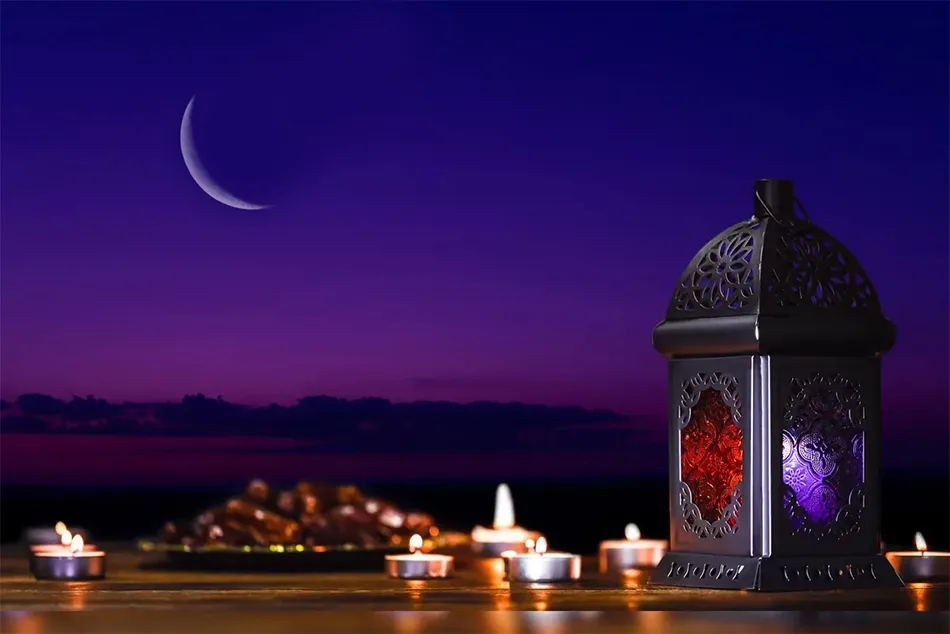
The anticipation surrounding the sighting of the Shawwal crescent, known as eid ka chand, is a significant aspect of the Islamic celebration of Eid al-Fitr. Traditionally, this event marks the end of Ramadan, a month of fasting and spiritual reflection for Muslims. In Pakistan, the moon sighting is a communal affair, with various committees tasked with monitoring the sky for the crescent. Before the developments leading to the 2026 Eid al-Fitr, it was expected that the moon would be sighted on March 18, leading to celebrations on March 19.
However, the situation changed dramatically when Saudi Arabia announced that the crescent was not sighted, indicating that Eid would not be celebrated on March 19 as anticipated. This announcement sent ripples across South Asia, where countries like India, Pakistan, and Bangladesh often coordinate their moon sighting efforts through Central Moon Sighting Committees. As a result, if the moon is not sighted on March 19, Eid will be celebrated on March 21 in these regions.
The immediate effect of this announcement is a shift in the preparations and expectations of communities across major cities in Pakistan, including Karachi, Lahore, Islamabad, and Peshawar. Families and local mosques typically prepare for Eid prayers, which are usually held between 6:00 and 7:00 AM on Eid day. With the uncertainty surrounding the moon sighting, many are left in a state of anticipation, adjusting their plans accordingly.
Experts emphasize the importance of lunar observations in Islamic tradition, as the sighting of the new moon is rooted in the teachings of Prophet Muhammed. This practice not only marks the end of Ramadan but also fosters a sense of community and shared experience among Muslims. The reliance on local moon sighting committees underscores the decentralized nature of these observations, which can lead to varying dates for Eid celebrations across different regions.
As the date approaches, the role of moon sighting committees becomes even more critical. They are responsible for confirming the sighting and communicating the information to the public. In Pakistan, these committees will be on high alert on March 18, monitoring the skies for any signs of the Shawwal crescent. The excitement and anxiety surrounding this event reflect the deep cultural significance of Eid al-Fitr and the traditions that accompany it.
Details remain unconfirmed regarding the exact date of Eid al-Fitr, as local moon sightings and announcements from religious authorities will ultimately dictate the celebration. This uncertainty adds an element of suspense to the festivities, as families await the official announcement to finalize their plans.
In summary, the sighting of the Shawwal crescent for Eid al-Fitr 2026 is a pivotal moment for millions of Muslims in Pakistan and beyond. The shift in expectations, driven by the moon sighting, illustrates the intricate relationship between cultural practices and religious observances, highlighting the importance of community in celebrating this significant occasion.