









How it unfolded
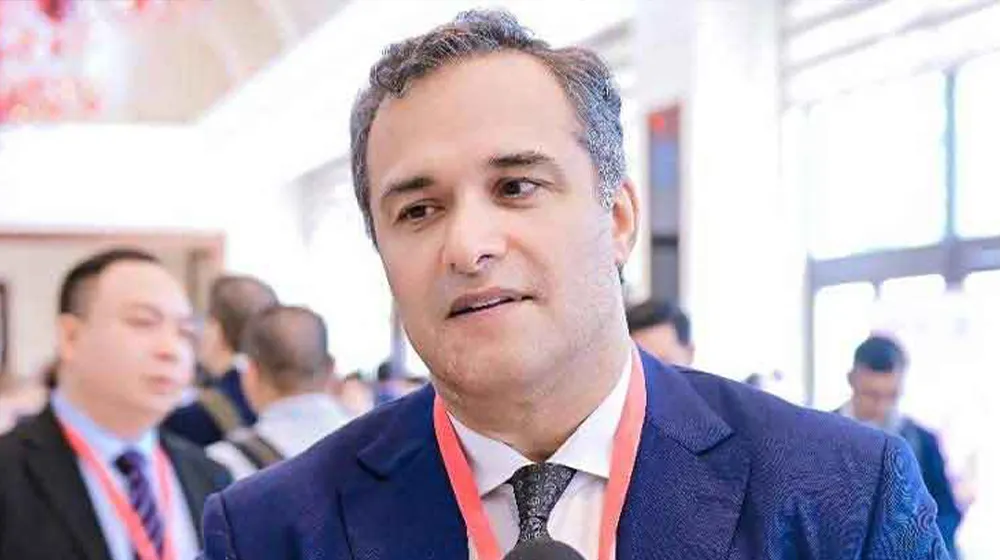
On March 17, 2026, K-Electric confirmed the appointment of Shaheryar Chishty as acting chairman during the absence of Mark Skelton. Chishty, who was previously serving as an alternate director to Skelton, has a notable background in investment banking, having founded AsiaPak Investments in 2011 and raised over $18 billion in debt and equity capital throughout his career.
The leadership transition comes at a critical time for K-Electric, as the company is facing significant challenges. Power bills for consumers are expected to rise by over Rs1.50 per unit starting in April 2026, following a request by the Central Power Purchasing Agency (CPPA-G) to the National Electric Power Regulatory Authority (Nepra) for an additional charge of Rs1.64 per unit.
As the situation developed, Karachi experienced severe weather conditions on March 18, 2026, with heavy rain and strong winds leading to widespread power outages across the city. Wind speeds reached as high as 97 km/h, and the heaviest rainfall recorded in the Korangi area was 55.6mm. These conditions resulted in at least 18 fatalities due to rain-related incidents, underscoring the severity of the storm.
K-Electric has been proactive in its response to the crisis, with a spokesperson stating that the company is actively monitoring the situation and that field staff are on high alert to restore power where outages have occurred. This response is crucial given the impact of the storm on the city’s infrastructure and the safety of its residents.
The Sindh government, represented by Nasser Hussain Shah, has also emphasized its commitment to protecting the lives and property of the public during this challenging time. The collaboration between K-Electric and government authorities is essential to address the immediate needs of the community affected by the storm.
As of now, K-Electric is navigating both leadership changes and operational challenges. The appointment of Chishty as acting chairman may bring a new perspective to the company’s strategies, especially as it faces rising costs and the need for effective crisis management.
This sequence of events is significant for K-Electric and its consumers, as the leadership change coincides with a critical period of service disruption. The company’s ability to manage these challenges will be closely monitored by stakeholders and residents alike, who rely on K-Electric for their electricity needs.