









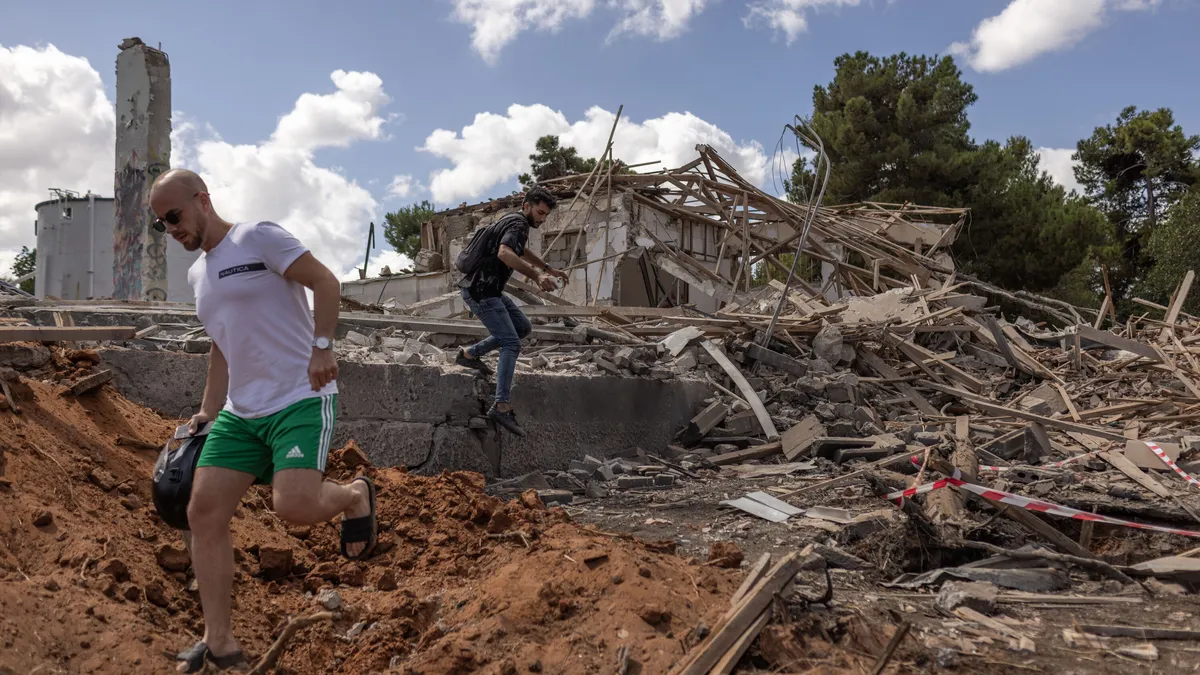
Reaction from the field
The ongoing Iran-Israel war has profound implications for the Middle East, particularly affecting the tourism industry across the Arabian Peninsula. As military actions escalate, airspace closures have left hundreds of thousands of travelers stranded, disrupting what was once a rapidly growing tourism sector in the region.
According to reports, the tourism sector in Gulf states is experiencing a downturn, a stark contrast to the anticipated growth. The United Nations World Tourism Organization (UNWTO) noted that the Middle East and North Africa were among the fastest-growing tourism regions globally, with a projected 39% increase in international travelers from 2019 to 2025. However, the current conflict has jeopardized these gains.
In addition to the human cost, the war has significant environmental repercussions. More than 85 large oil tankers are currently trapped in the Persian Gulf, creating potential hazards for marine ecosystems. The conflict has already generated over half a million tonnes of carbon dioxide in Gaza within the first 120 days, highlighting the environmental toll of military actions. Militaries are responsible for approximately 5.5% of global greenhouse gas emissions, and the damage inflicted by war can persist for decades.
Hans Hopfinger, an expert in regional affairs, stated, “The current crisis is an absolute shock for the countries affected in the region.” This sentiment reflects the broader anxiety among nations that rely heavily on tourism as a vital economic driver. For instance, Dubai International Airport was projected to handle 95 million international passengers in 2025, while Saudi Arabia aims to attract 70 million international visitors by 2030. The war’s impact threatens these ambitious targets.
The environmental damage of war does not end with a ceasefire. As the conflict continues, the long-term consequences for both the environment and the economy are becoming increasingly apparent. The war contaminates the conditions for life itself, affecting not only the immediate area but also the global community.
As military spending worldwide is projected to reach $2.7 trillion in 2024, the implications of such conflicts extend beyond regional borders. The international community is watching closely, as the outcomes of the Iran-Israel war could reshape geopolitical dynamics in the Middle East and beyond.
Details remain unconfirmed regarding the potential for resolution or further escalation. The situation continues to evolve, and the stakes remain high for all parties involved.