









“The surplus was mainly supported by strong remittance inflows and a notable reduction in the income deficit, which helped offset the still-elevated trade gap,” said Waqas Ghani, an economist, reflecting on the recent financial developments in Pakistan.
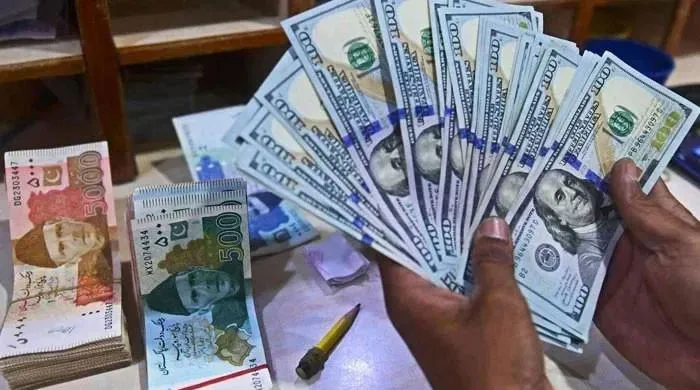
In February 2026, Pakistan reported a current account surplus of $427 million, a notable increase from a surplus of $68 million in January 2026. This marks a significant turnaround from the previous year, when the current account posted a deficit of $85 million in February 2025. The recent figures indicate a positive trend in the country’s external financial position, attributed largely to robust remittance inflows.
According to Khurram Schehzad, another financial analyst, “February’s current account surplus was the highest in one year and marks the second consecutive monthly surplus, signalling continued improvement in Pakistan’s external sector.” This improvement comes despite ongoing challenges, including a trade gap that remains elevated.
Pakistan’s overall economic landscape has been influenced by the significant role of remittances, which accounted for 55 percent of total inflows to the country. In fiscal year 2025, remittances reached a record $38.3 billion, reflecting a 26.6 percent increase compared to the previous year. The government projects that remittances could rise to approximately $42 billion in fiscal year 2026, further bolstering the economy.
The Roshan Digital Account platform, launched on September 10, 2020, has played a crucial role in facilitating these remittance inflows. By February 2026, more than 900,000 accounts had been opened under this scheme, with total inflows surpassing $12 billion. This initiative allows overseas Pakistanis to access banking and investment services, thereby enhancing their ability to contribute to the national economy.
As Muhammad Aurangzeb noted, “The diaspora—estimated at around 11 million people—continues to play a vital role in supporting the national economy.” The importance of these remittance inflows cannot be overstated, as they are essential for maintaining stability in the country’s external account and for supporting foreign exchange reserves.
Currently, the State Bank of Pakistan’s reserves stand at around $16.3 billion, with total national reserves estimated at $21.6 billion. However, despite the positive trends in the current account, Pakistan ran a deficit of $700 million in the first eight months of the fiscal year 2026, indicating that challenges remain.
As the country continues to navigate its economic landscape, the focus will likely remain on enhancing remittance inflows and leveraging platforms like the Roshan Digital Account to support financial stability and growth. The upcoming months will be critical in determining whether these positive trends can be sustained.