









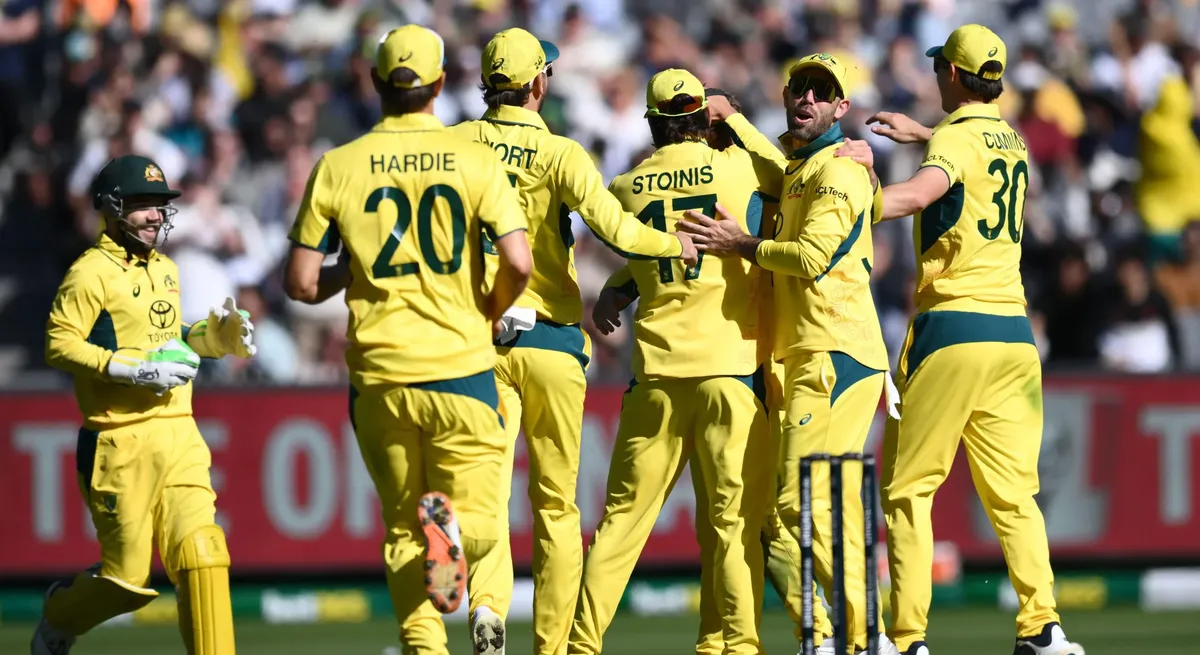
“We are coming here to win these games.” This statement from Shelley Nitschke, the head coach of the Australia women’s national cricket team, underscores the team’s determination as they prepare for the ICC Women’s T20 World Cup 2026 in England. With the tournament on the horizon, the team is focused on building momentum and refining their strategies.
As the Australian team gears up, they are implementing a workload management plan that includes resting key players. Annabel Sutherland is one such player being rested, allowing the team to maintain a balance between performance and player health. Meanwhile, captain Sophie Molineux is expected to return to the squad after recovering from a back issue, bringing back her leadership and experience.
In addition to Molineux’s return, Kim Garth and Ellyse Perry are also available for selection after overcoming quad injuries. The team’s depth and resilience will be tested as they face various challenges leading up to the World Cup.
On a different note, the cricketing world is also witnessing the impact of geopolitical tensions. The Afghanistan Cricket Board recently condemned a Pakistani airstrike that resulted in the deaths of over 400 people in Kabul. The board’s statement, which read, “Eid Hopes Turned Into Mourning,” reflects the tragic consequences of ongoing conflicts in the region.
Rashid Khan, a prominent Afghan cricketer, emphasized the severity of such actions, stating, “Targeting civilian homes, educational facilities or medical infrastructure, either intentional or by mistake, is a war crime.” This sentiment highlights the broader implications of cricket as a unifying sport amidst the backdrop of violence and loss.
In the realm of player movements, Sunil Gavaskar has voiced his criticism regarding the signing of Pakistan spinner Abrar Ahmed by an Indian-owned franchise. Gavaskar remarked, “The fees that they pay to a Pakistani player, who then pays income tax to his government, which buys arms and weapons, indirectly contributes to the deaths of Indian soldiers and civilians.” His comments reflect the complex interplay between sports and international relations, particularly in the context of India and Pakistan’s long-standing tensions.
Players from Pakistan have not participated in the Indian Premier League since 2009 due to these diplomatic strains, further complicating the landscape for cricketers from both nations. The England and Wales Cricket Board has stated that all franchises in the Hundred competition are committed to selection based on performance, which may offer a glimmer of hope for players seeking opportunities.
As the cricketing community navigates these challenges, the focus remains on the upcoming T20 World Cup and the potential for sporting excellence to transcend political divides. The next steps for both the Australian team and the broader cricketing landscape will be closely watched as developments unfold.