









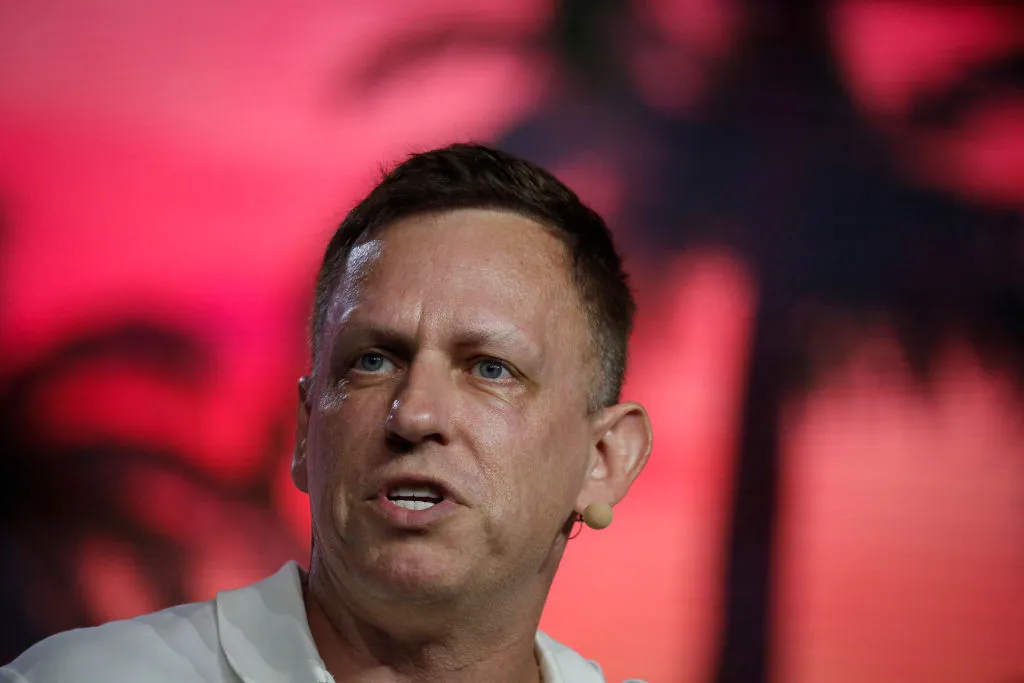
Who is involved
Since its inception in 2010, The Giving Pledge has been a cornerstone of philanthropic efforts among the world’s wealthiest individuals. Co-founded by notable figures such as Bill Gates, Melinda French Gates, and Warren Buffett, the initiative encourages billionaires to commit to giving away at least 50% of their wealth during their lifetimes or in their wills. However, recent developments have cast a shadow over this once-celebrated commitment, particularly due to the actions of Peter Thiel, a prominent tech entrepreneur and investor.
As of March 16, 2026, Thiel has taken a decisive stance against The Giving Pledge, actively working to dismantle it. His efforts have coincided with a troubling trend: the number of signatories has dwindled significantly, with only four new pledges in 2024 and 14 in 2025. This decline raises questions about the future of philanthropic commitments among billionaires, especially given that the total number of billionaires globally stands at approximately 3,400, according to Forbes.
Thiel’s influence is evident as he has publicly discouraged individuals from signing The Giving Pledge, stating, “I’ve strongly discouraged people from signing it, and then I have gently encouraged them to unsign it.” This approach has resonated with some, as he claims that many signatories have expressed regret about their commitments. The implications of this shift are profound, as it challenges the foundational principles of philanthropy that have been promoted by The Giving Pledge.
The immediate effects of Thiel’s actions are already visible. In 2025, the wealthiest individuals in the country donated a total of $22.4 billion, marking a 35% increase in charitable giving from the previous year. However, this increase raises concerns about the motivations behind such donations, particularly in light of Thiel’s rhetoric. His lectures in Rome, where he discusses themes such as the Antichrist and global governance, have drawn attention and criticism, especially from religious institutions.
Two Catholic institutions have distanced themselves from Thiel’s lecture series, indicating a growing tension between his views and those of the Catholic Church, particularly under the leadership of Pope Leo XIV. Thiel’s lectures are closed to the media and are taking place at an undisclosed location, further fueling speculation about his intentions and the broader implications for philanthropy.
Experts in the field of philanthropy are weighing in on this shift. Taryn Jensen remarked, “Discussion about the role of philanthropy is inevitable and welcome,” suggesting that Thiel’s actions may prompt a necessary reevaluation of how wealth is utilized for social good. Meanwhile, Francesco Sisci noted the significance of Thiel’s presence in Rome, stating, “The godfather of the new tech-billionaires coming to Rome is evidence of the pope’s importance and that Catholicism is in some ways back in fashion.” This highlights the intersection of wealth, power, and religious influence in contemporary society.
As the landscape of philanthropy evolves, the future of The Giving Pledge remains uncertain. With Thiel’s growing influence and the declining number of signatories, the initiative faces significant challenges. The repercussions of these developments could reshape the expectations and responsibilities of billionaires in their philanthropic endeavors. Details remain unconfirmed regarding the long-term effects of Thiel’s campaign against The Giving Pledge, but the conversation it has sparked is likely to continue.