






What does the upcoming 23 March holiday signify for Pakistan in 2026? This date marks Pakistan Day, a public holiday commemorating the Lahore Resolution of 1940, which laid the foundation for the creation of Pakistan.
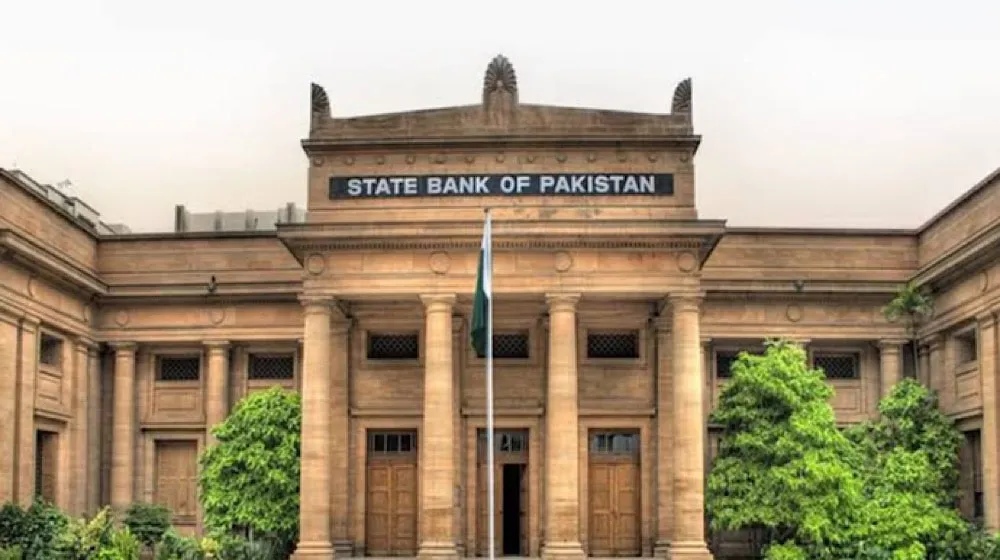
The State Bank of Pakistan has confirmed that it will remain closed on March 23, 2026, in observance of this significant day. All banks across the country will also be closed, allowing citizens to reflect on the historical importance of the Lahore Resolution.
Pakistan Day is celebrated annually on March 23, and it serves as a reminder of the momentous decision made in 1940 to advocate for a separate homeland for Muslims in the subcontinent. The resolution was a pivotal moment in the country’s history, leading to the eventual establishment of Pakistan in 1947.
In 2026, March 23 falls shortly after the Eid ul Fitr holiday, which is expected to be observed on March 21, 2026. The government has declared March 20 and March 21 as public holidays for Eid ul Fitr, with March 22 being a Sunday. This sequence of holidays provides an extended break for many citizens.
The State Bank of Pakistan stated, “The [SBP] will remain closed on March 23, 2026 (Monday) being public holiday on the occasion of ‘Pakistan Day’ as declared by the Government of Pakistan.” This announcement aligns with the government’s efforts to ensure that citizens can participate in the observance of this important day.
As the date approaches, citizens and institutions alike prepare to honor the legacy of the Lahore Resolution. It is a time for reflection on the nation’s journey and the sacrifices made for its establishment.
While the celebrations are anticipated, details remain unconfirmed regarding specific events or activities planned for Pakistan Day in 2026. The public is encouraged to engage in commemorative activities that highlight the significance of this historical event.
In summary, the 23 March holiday in 2026 will not only provide a break for many but also serve as a reminder of Pakistan’s historical roots and the importance of unity and remembrance in the nation’s ongoing narrative.