









Who is involved
The China–Taiwan conflict has deep historical roots, with Taiwan viewed by China as a breakaway province. For years, tensions have fluctuated, often marked by periods of heightened military activity followed by lulls. Prior to the recent developments, there was a notable decrease in Chinese military flights around Taiwan, which lasted from February 27 to March 11, 2026. This lull had led to discussions among observers regarding the implications of such a reduction in military presence.
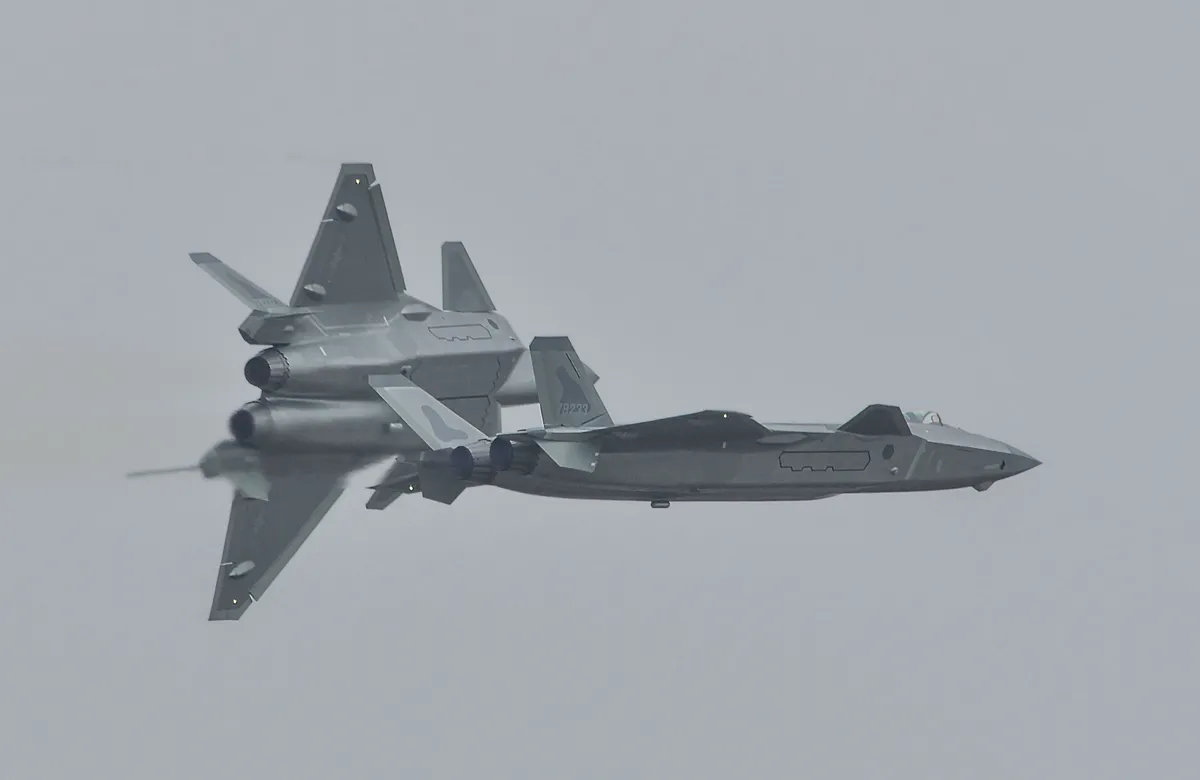
However, on March 15, 2026, a decisive moment occurred when 26 Chinese aircraft were detected near Taiwan, with 16 of those entering Taiwan’s air defense identification zone (ADIZ). This marked a significant shift from the previous weeks, where only two aircraft sorties were reported operating around Taiwan on March 16, 2026. The sudden increase in military activity raised alarms and prompted Taiwan’s Ministry of National Defense to reaffirm its vigilance despite the earlier absence of aircraft.
Experts have noted that while the numbers on March 15 were significant, they were only the eighth most notable in 2026, suggesting that the recent surge should be contextualized within a broader framework of military activity. The reported increase in flights comes after a period of low activity, which some analysts suggest may have been a strategic maneuver by China to condition the United States and other observers to a perceived reduced threat environment around Taiwan.
Wellington Koo, Taiwan’s defense minister, emphasized the importance of not relying solely on the absence of aircraft as an indicator of safety. His statement reflects a broader sentiment among military analysts who caution against interpreting these fluctuations as definitive signs of changing intentions. Drew Thompson, another expert, expressed concern over the uncertainty surrounding the situation, stating, “What concerns me is we don’t know what it means. It’s perpetual threats without communication, without dialogue, without thresholds.” This highlights the ongoing ambiguity in the China-Taiwan relationship.
Despite the recent uptick in military flights, Taiwan’s defense ministry has pointed out that the activity is only considered ‘large-scale’ in relation to the slower activity observed over the past three weeks. This perspective is crucial as it underscores the need for careful analysis rather than sensationalism. As Taiwan continues to monitor the situation, the international community remains watchful, particularly the United States and Japan, who have vested interests in the stability of the region.
Details remain unconfirmed regarding the exact reasons for the recent changes in Chinese military activity. It remains uncertain whether the reduction in activity prior to March 15 was a temporary measure or part of a larger strategic plan by China. The ongoing military maneuvers and the fluctuating nature of Chinese flights near Taiwan are likely to continue to be a focal point of geopolitical discussions.
As tensions persist, the implications for Taiwan, China, and the broader international community are significant. The interplay of military presence, defense strategies, and diplomatic communications will play a crucial role in shaping the future of cross-strait relations. Observers will be keenly watching how both Taiwan and China navigate this complex landscape in the coming weeks and months.