








In recent developments, DHL Supply Chain has made significant strides in enhancing its automation capabilities. Just before the announcement, the logistics industry was witnessing rapid changes, prompting companies to adapt quickly to new technologies and customer demands.
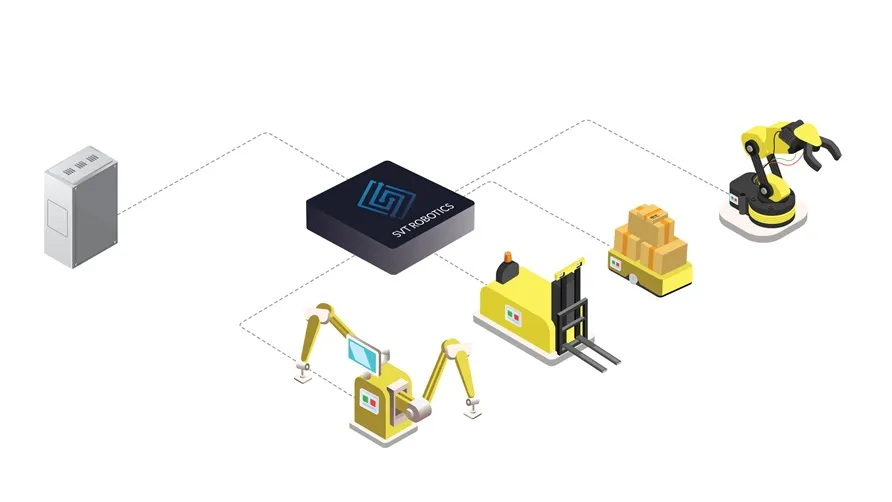
On October 10, 2023, DHL Supply Chain revealed the further deployment of SVT Robotics’ SOFTBOT orchestration platform across its global warehouse network. This platform is now operational in 30 DHL Supply Chain sites worldwide, marking a substantial step forward in logistics automation.
The SOFTBOT platform allows DHL to integrate robotics solutions up to 12 times faster than traditional custom-coding setups, which previously took six to eight weeks to implement new technologies. This efficiency is crucial as the logistics industry continues to evolve.
Looking ahead, DHL plans to expand the SOFTBOT platform to more than 100 sites across various geographies over the next three years. This expansion is expected to enhance operational efficiency and responsiveness to market changes.
In addition to automation advancements, DHL has also achieved a notable milestone in logistics. Recently, Kitakyushu Airport and DHL Global Forwarding Japan successfully completed the largest-ever air transport of semiconductor manufacturing equipment, weighing approximately 180 tons. The equipment was transported from Amsterdam Schiphol Airport in the Netherlands to Kitakyushu Airport.
Karsten Michaelis, CEO of North Asia at DHL Global Forwarding, emphasized the importance of this achievement, stating, “Semiconductors are the backbone of modern technology, and DHL has built a robust framework to support this critical supply chain with precision and expertise.” This highlights DHL’s commitment to supporting vital sectors of the economy.
Furthermore, the DHL Global Connectedness Report indicates that the global connectedness index is projected to reach 25% in 2025, matching the record high set in 2022. John Pearson, CEO of DHL Express, remarked, “Globalization is holding its ground – and that alone speaks volumes about its value.” This reflects the ongoing significance of global logistics networks.
Currently, DHL operates more than 8,000 collaborative robots across its global operations, showcasing its dedication to leveraging technology for improved service delivery.
As DHL continues to innovate and expand its capabilities, the implications for the logistics industry are profound. The integration of advanced automation and successful transport of critical equipment positions DHL as a leader in the evolving landscape of global logistics.
Details remain unconfirmed regarding the specific timeline for the SOFTBOT platform’s expansion, but the current developments underscore DHL’s proactive approach to meeting the demands of a dynamic market.