









Prior Expectations
Before the recent developments regarding El Niño, the climate community was observing a relatively stable weather pattern following the last strong El Niño, which lasted from summer 2023 through late winter 2024. This period was characterized by typical weather fluctuations, with no immediate indications of another significant climate event on the horizon. However, the National Oceanic and Atmospheric Administration (NOAA) has now issued an El Niño watch warning, signaling a shift in expectations for the coming years.
Decisive Changes
The decisive moment came when NOAA reported an 80% chance that El Niño will take hold as soon as August 2026. This marked a significant change from the previous climate assessments, which did not anticipate such a strong likelihood of a new El Niño event developing. Furthermore, there is a one in three chance that this could escalate into a super El Niño, defined as sea surface temperatures at least 1.5°C above average for several months. This potential for a super El Niño raises concerns about its impact on global weather patterns.
Direct Effects on Weather Patterns
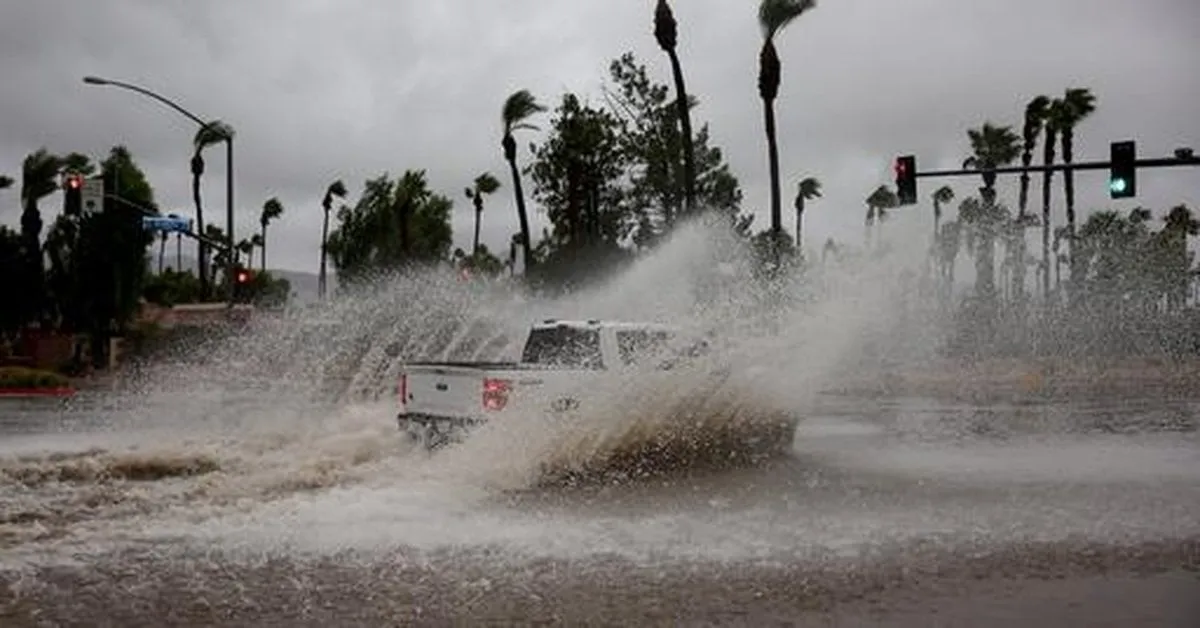
The implications of a developing El Niño are profound. Historically, El Niño events have disrupted atmospheric circulation, altering rainfall, temperature, and storm patterns globally. For instance, El Niño winters in the southern United States are typically wetter and cooler, while the phenomenon tends to suppress Atlantic hurricane formation due to increased wind shear. Conversely, El Niño’s warming effect can exacerbate heat waves and intensify droughts in certain regions, leading to a complex interplay of weather extremes.
Expert Perspectives
Experts are weighing in on the potential impacts of this upcoming El Niño. Daniel Swain noted, “Even though the evidence is still early, this could be a very significant event in 2026 and lingering into 2027.” Zeke Hausfather added that if a strong El Niño does develop, it will likely boost temperatures in 2026, but its most significant effects may be felt in 2027, potentially making that year the warmest on record after 2024. This highlights the long-term implications of the current climate patterns.
Preparedness Concerns
As the possibility of a new El Niño looms, concerns about preparedness for extreme weather events are growing. The United States has seen significant reductions in FEMA staffing, raising alarms about the nation’s ability to respond effectively to potential disasters. With the forecast indicating a 62% chance of El Niño developing during the critical months of June, July, and August 2026, the need for proactive measures is more pressing than ever.
Looking Ahead
As we approach the hurricane season, confidence is growing that this might be the quietest season since 2015, unless something very unusual happens, according to expert Andy Hazelton. However, the uncertainty surrounding the severity and longevity of the upcoming El Niño remains. Details remain unconfirmed, and the climate community continues to monitor developments closely.
The potential emergence of El Niño as a significant climate event in 2026 underscores the importance of ongoing research and preparedness efforts. With the possibility of a super El Niño on the horizon, understanding its implications for global weather patterns will be crucial for mitigating its impacts on communities worldwide.