









Introduction
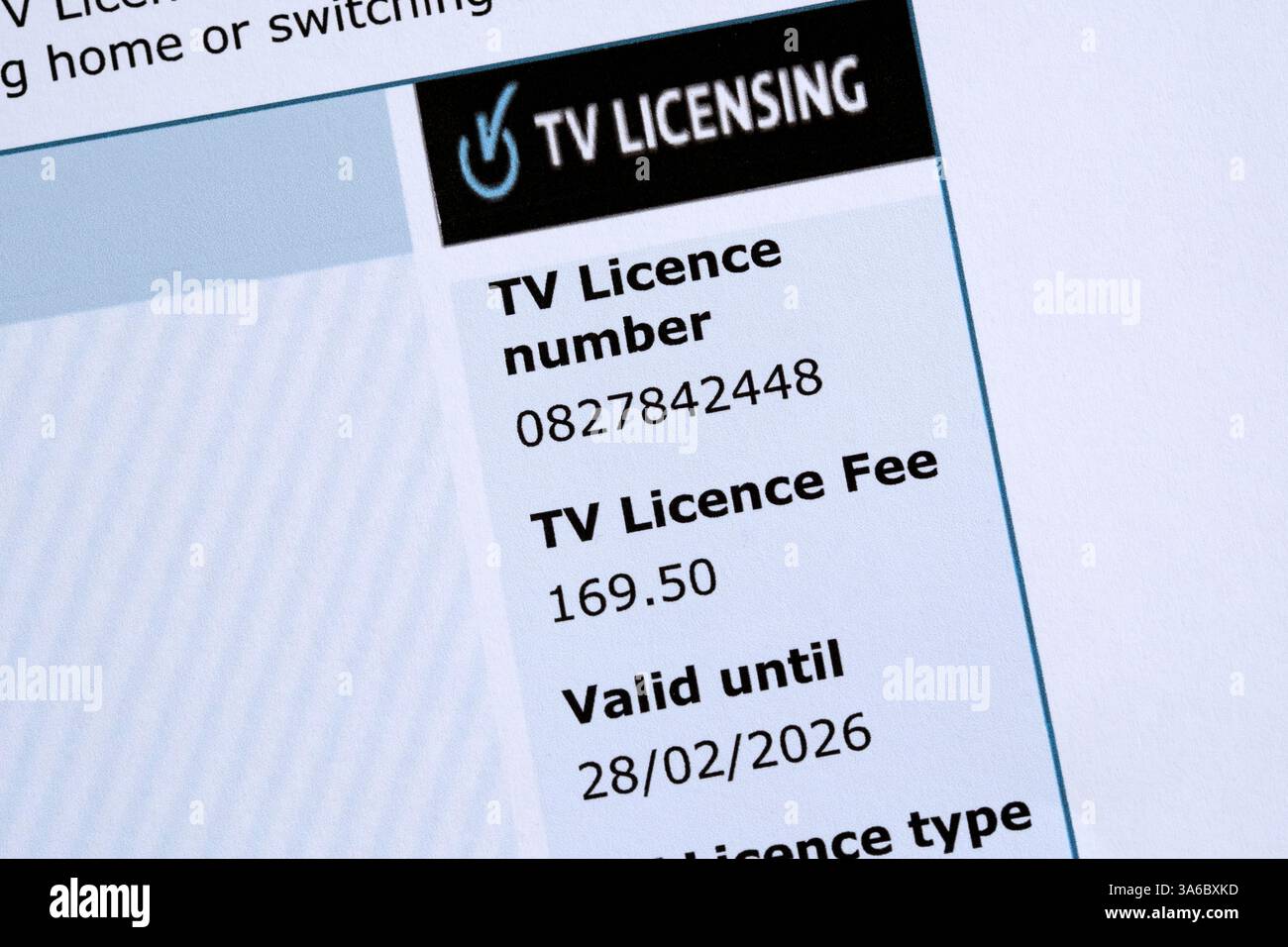
In the United Kingdom, the TV licence is a crucial component of funding the BBC and ensuring that public broadcasting remains accessible to all. The licence fee, currently set at £159 for a colour TV, mandates that anyone watching live television or using BBC iPlayer must hold a valid licence. With the rapid evolution of media consumption practices, understanding the importance of TV licences and the implications of recent changes is vital for both viewers and policymakers.
Recent Events and Changes
In 2023, the BBC announced a review of its funding model in light of declining licence fee revenues and changes in audience viewing habits. The growth of streaming services and on-demand viewing has prompted discussions around the relevance of the traditional TV licence system. As more households opt for alternative entertainment methods, the number of TV licence holders has started to decline, leading to concerns about future funding for the BBC.
Additionally, in September 2023, the Government confirmed that it would uphold the current TV licence fee model until at least 2027, allowing the BBC to continue its funding at least for the short term. However, this decision has spurred debates regarding whether the TV licence should be replaced with a more contemporary funding model, such as subscription-based systems similar to those used by streaming platforms.
Implications for Viewers
For consumers, the evolving landscape raises important questions about their responsibilities and choices. Households must navigate the complexities of the law, ensuring compliance while also considering their viewing preferences. The enforcement of the TV licence remains strict, with ongoing campaigns and legal consequences for non-payment. The TV Licensing Authority continues to invest in technologies that track unlicensed viewing, increasing the likelihood of fines for those in breach of regulations.
Conclusion
As the media landscape continues to shift, it is essential for both the public and policymakers to engage in conversation about the future of the TV licence. The importance of adequate funding for quality public broadcasting cannot be understated, yet the system itself may require adaptation to align with modern viewing habits. Potential changes over the next few years could significantly impact how viewers consume content, with significant implications for the BBC’s programming and operational structure. As the debate unfolds, staying informed remains crucial for all households in the UK.