








What sparked the protests outside the U.S. consulate?
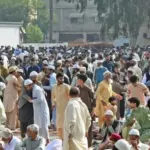
Protests erupted outside the U.S. consulate in Karachi on March 1, 2026, following the assassination of Iran’s former supreme leader, Ayatollah Ali Khamenei. The unrest quickly escalated, leading to violent clashes between protesters and security forces.
At least 10 protesters were killed during these confrontations, with a dozen others reported injured. The situation intensified as some demonstrators attempted to storm the consulate, resulting in gunfire and further chaos.
Impact on Karachi’s infrastructure
The protests caused significant disruptions in Karachi, affecting both commercial traffic and emergency services. Major roads around the U.S. consulate were closed for several days, leading to widespread traffic issues throughout the city.
Traffic authorities announced the reopening of MT Khan Road and Mai Kolachi Road on March 10, 2026, after they had been closed since the onset of the protests. However, the road from PIDC to Sultanabad remains closed due to ongoing security measures.
Government response
In response to the violence, authorities have registered cases under the Anti-Terrorism Act to investigate the events surrounding the protests. A spokesperson for the traffic police noted, “Traffic on these roads has been restored as conditions have stabilised.” This statement reflects a cautious return to normalcy in the area.
Details remain unconfirmed regarding the full extent of the injuries and the ongoing investigations into the violence. The situation remains tense as authorities continue to monitor the area for any further unrest.
The protests at the U.S. consulate in Karachi highlight the volatile geopolitical climate in the region, particularly in relation to Iran. As the situation develops, the implications for U.S.-Pakistan relations and regional stability remain to be seen.