









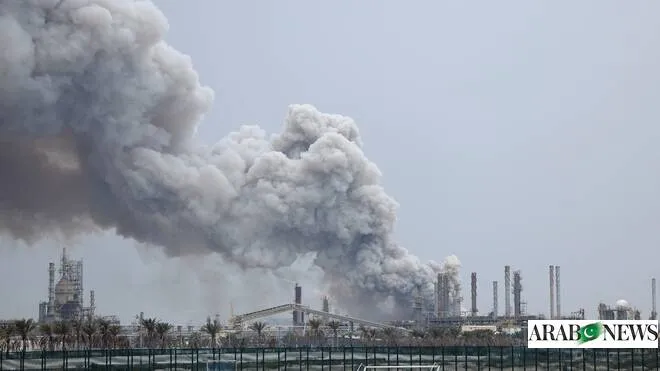
Bahrain’s state oil company, Bapco Energies, has declared force majeure on its shipments following a recent Iranian attack that set its refinery ablaze.
The declaration comes as the ongoing conflict in the Middle East continues to disrupt operations across the region. The attack, which involved an Iranian drone, resulted in injuries to 32 individuals, including children, and has raised alarms about the stability of oil supply in the Gulf.
Bapco’s refinery, which has a capacity of approximately 400,000 barrels per day, sustained significant damage during the incident. Although the fire at the refinery complex was brought under control, the extent of the operational disruption remains uncertain.
The declaration of force majeure allows Bapco to interrupt shipments due to extraordinary circumstances, potentially affecting regional crude trading depending on how long the refinery remains offline. According to the Bahrain News Agency, the company’s operations have been impacted by the ongoing regional conflict and the recent attack.
Despite the challenges, Bapco Energies has assured that local market needs are fully secured under its proactive contingency plans. The company emphasized its commitment to maintaining supply amid the disruptions.
Industry analysts have noted that the force majeure declaration signals potential supply constraints in regional markets. The situation is particularly concerning given Bahrain’s strategic position in the Gulf, which is crucial for regional fuel demand.
The ongoing regional conflict has already affected oil production and refining operations across Gulf nations, and this latest incident underscores the vulnerability of the energy sector in the area.
As the situation develops, the impact on regional crude trading will become clearer, particularly if the refinery downtime extends. Details remain unconfirmed regarding the full extent of the damage and the timeline for resuming normal operations.
In summary, the attack on Bapco’s refinery not only poses immediate challenges for the company but also raises broader questions about the stability of oil supply in the Gulf amid escalating tensions in the region.