









What are the latest developments in the electric vehicle sector?
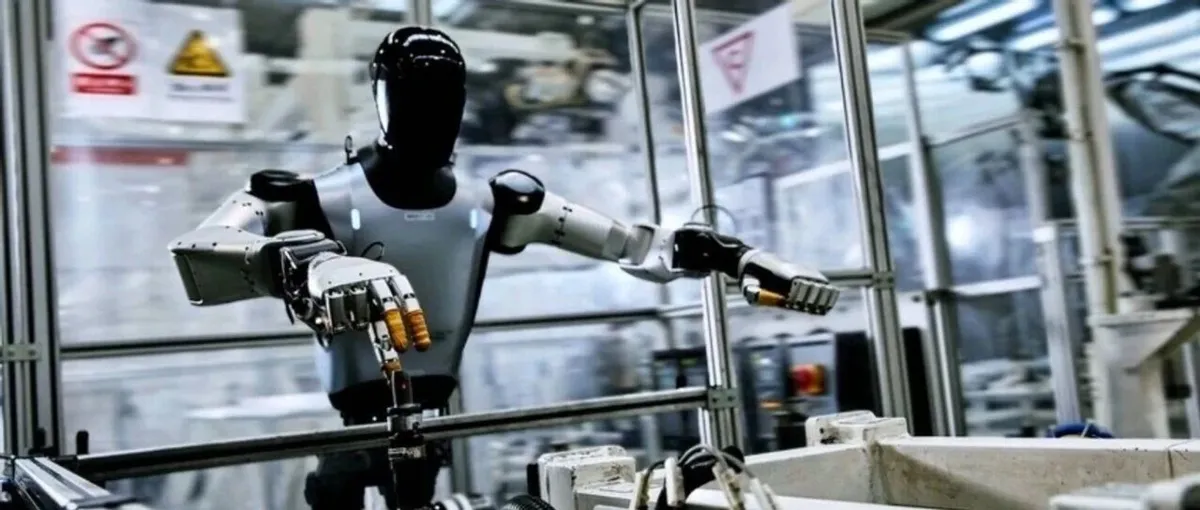
Recent advancements in the electric vehicle (EV) sector raise significant questions about production efficiency and market expansion. Notably, Xiaomi has begun using humanoid robots to assemble electric vehicles at its factory in Beijing, achieving an impressive 90.2% of the work in just three hours during a trial run.
According to Lu Weibing, a Xiaomi executive, “The biggest challenge in integrating robots into our production lines is ensuring they keep pace.” This innovation marks a significant step in the automotive industry, where automation is increasingly becoming a key factor in production efficiency.
Lotus Enters the Canadian Market
In another notable development, Lotus is set to become the first Chinese electric vehicle brand to enter the Canadian market, thanks to a new tariff agreement. Canada will allocate a quota of 49,000 Chinese electric vehicles annually at a 6.1% tariff rate. Lotus has already established six dealerships in Canada and plans to expand to approximately twelve this year.
Feng Qingfeng, a representative from Lotus, stated, “We will be the first Chinese brand to enter Canada (under the new tariff).” However, the company has temporarily suspended exports to the Middle East due to ongoing regional conflicts, highlighting the complexities of global trade in the current geopolitical climate.
Luxury Innovations from Mercedes-AMG
Meanwhile, Mercedes-AMG has unveiled a new electric super sedan that features a triple-screen layout in its interior, including a 10.2-inch digital instrument cluster and two 14-inch screens. Built on a dedicated electric car platform, this model aims to cater to the luxury segment of the EV market.
Despite challenges in demand for high-end EVs, a spokesperson for Mercedes-AMG noted that there is still a market large enough to make the GT 4-Door Coupe a relevant product. The GT XX concept boasts a combined 1,341 horsepower and a top speed exceeding 224 mph (360 km/h), showcasing the brand’s commitment to performance in the electric vehicle space.
As the electric vehicle landscape continues to evolve, these developments reflect a broader trend towards automation in manufacturing and the expansion of Chinese brands into new markets. The future of electric vehicles remains dynamic, with ongoing innovations and market shifts yet to be fully realized.