









Setting the Scene for the Eclipse
As the date approaches, scientists and astronomy enthusiasts are preparing for a remarkable celestial event: an annular solar eclipse on February 17, 2026. This phenomenon will unfold over Antarctica, a remote and pristine location that offers a unique vantage point for observing the intricate dance between the Earth, moon, and sun. The eclipse will darken the surface of this icy continent, providing a rare opportunity for researchers and sky-gazers alike.
Details of the Eclipse
The annular solar eclipse will occur when the moon passes between the Earth and the sun, but due to its distance from our planet, it will not completely cover the sun. Instead, observers will witness a ring-like appearance, often referred to as a “ring of fire.” This event is particularly significant as it highlights the current relationship between the moon and the sun, with the moon appearing to be the same size as the sun in the sky due to their relative distances. Andrew Wetzel noted, “It’s a bit of a cosmic coincidence that even though the moon is much, much smaller than the sun, at their relative distances, the apparent size of the moon is just the same as the apparent size of the sun in the sky.”
Upcoming Celestial Events
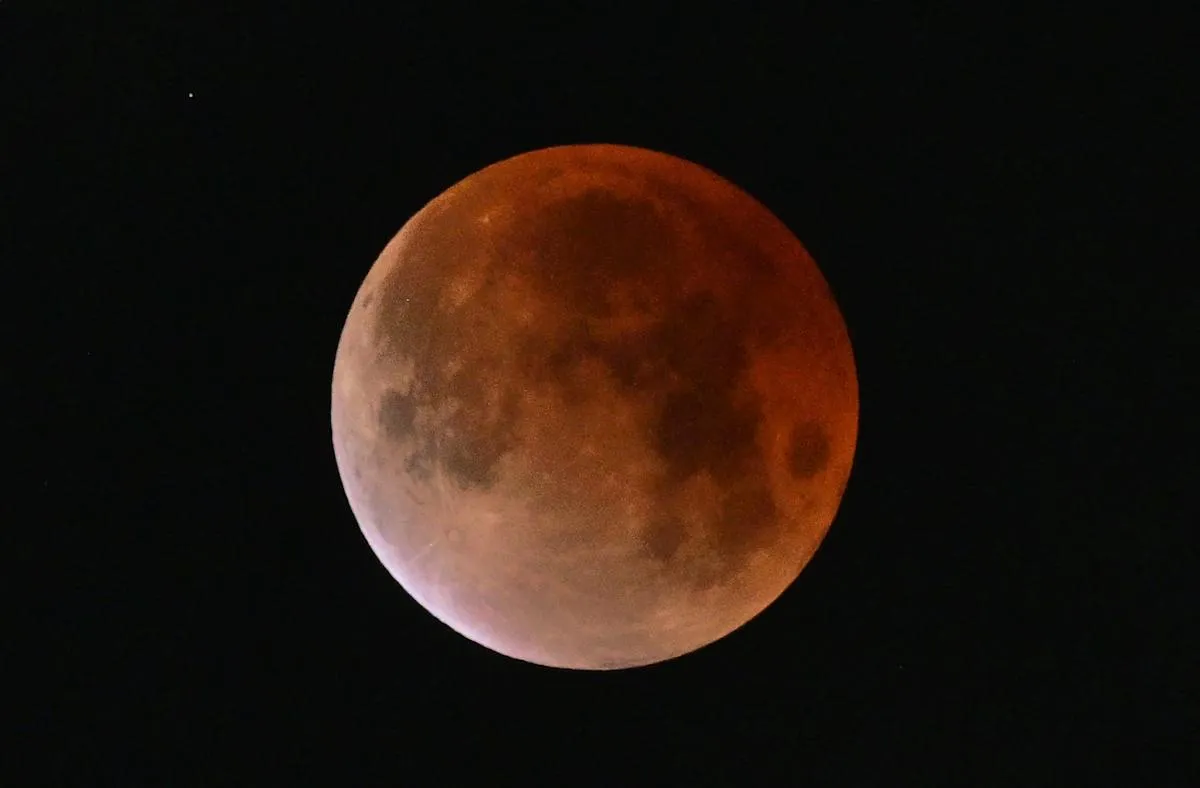
Following the annular solar eclipse, another significant event will take place: a total lunar eclipse on March 8, 2026. During this eclipse, the Earth will pass directly between the sun and the moon, casting a shadow that will make the moon appear crimson. This total lunar eclipse will last for almost one hour, allowing ample time for observers to witness the stunning transformation. Notably, the next total lunar eclipse after this will occur on New Year’s Eve in 2028.
The Moon’s Movement and Its Implications
As we look forward to these celestial events, it is essential to understand the ongoing changes in our solar system. The moon is gradually moving away from the Earth at a rate of approximately three centimeters per year. This gradual shift has implications for future eclipses; as the moon continues to drift away, total solar eclipses will become less likely. Dawn Y. Sumner remarked, “As it gets farther away, [the moon] will appear smaller in the sky, and it makes it less likely, over long periods of time, to have full eclipses.”
Visibility of the Eclipse
The annular solar eclipse on February 17, 2026, will not only be a spectacle for those in Antarctica but will also be partially visible to sky-gazers across Asia, Australia, North America, and South America. This wide visibility allows for a greater appreciation of the event and encourages public interest in astronomy and the natural sciences.
Why This Matters
The significance of these celestial events extends beyond mere observation. They serve as a reminder of the intricate gravitational relationships that govern our solar system. The moon’s orbit around the Earth, influenced by gravity, also plays a crucial role in creating ocean tides. Understanding these phenomena helps scientists gain insights into the dynamics of celestial bodies and their interactions.
As the date of the annular solar eclipse approaches, excitement builds among scientists and astronomy enthusiasts. This event not only showcases the beauty of our universe but also emphasizes the importance of ongoing research in understanding celestial mechanics. With the moon’s gradual movement away from Earth, each eclipse becomes a more precious opportunity to witness the wonders of our solar system.