









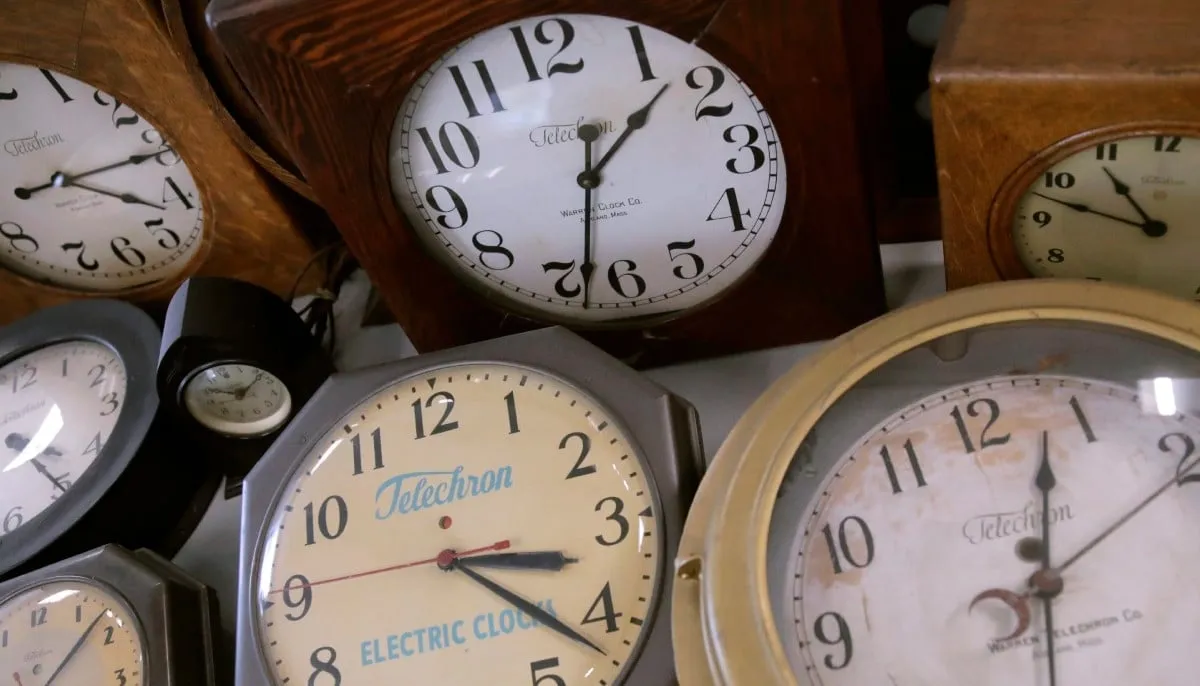
Before the Change
The practice of Daylight Saving Time (DST) has been a fixture in the United States for decades, with clocks traditionally moving forward one hour in the spring and back one hour in the fall. This twice-a-year adjustment was initially implemented to make better use of daylight during the longer days of summer. However, as time has progressed, public sentiment regarding this practice has shifted. Many Americans have expressed dissatisfaction with the disruption caused by changing clocks, particularly the impact on sleep schedules and daily routines.
The Decisive Moment
On March 7, 2026, at 2:00 AM, clocks will move forward one hour, marking the beginning of Daylight Saving Time for that year. This change will create a 23-hour day, which can significantly disrupt sleep patterns for many individuals. Polls indicate that a considerable portion of the American population dislikes the current system of biannual clock changes, leading to increased discussions among policymakers about potential reforms.
Direct Effects on Stakeholders
The immediate effects of this time change will be felt by a wide range of stakeholders, including individuals, businesses, and health professionals. Many people may experience sleep disturbances, which can lead to decreased productivity and increased health risks. Furthermore, businesses that rely on consistent customer traffic may need to adjust their operating hours to accommodate the shift in daylight. The debate over whether to keep the current system or make Daylight Saving Time permanent continues to gain traction, with some policymakers advocating for a national law to eliminate the clock changes altogether.
Expert Perspectives
Experts have weighed in on the implications of these changes. Some argue that making Daylight Saving Time permanent could lead to more favorable conditions, such as later sunrises in winter months, which could benefit outdoor activities and tourism. For instance, if DST were to become permanent, some cities might see winter sunrises as late as 9:00 AM. Conversely, others advocate for remaining on standard time year-round, which could result in very early summer sunrises, such as 4:11 AM in Seattle. This ongoing debate highlights the complexities involved in time management and its effects on daily life.
Legislative Landscape
The legislative landscape surrounding Daylight Saving Time is also evolving. A Senate bill aimed at making DST permanent passed in 2022 but has yet to receive approval from the House. This delay underscores the contentious nature of the issue and the differing opinions among lawmakers. Congress would need to reach a consensus to enact any national law regarding the permanence of Daylight Saving Time, a task that remains challenging given the diverse views held by the public and policymakers alike.
The Ongoing Debate
The debate over Daylight Saving Time is not new; it has been ongoing for years, with advocates on both sides presenting compelling arguments. Proponents of permanent DST argue that it could lead to increased economic activity and improved mental health due to longer daylight hours. On the other hand, opponents caution against the potential health risks associated with sleep disruption and advocate for a return to standard time year-round. As discussions continue, the future of Daylight Saving Time remains uncertain.
Looking Ahead
As the 2026 time change approaches, the conversation surrounding Daylight Saving Time is likely to intensify. With public opinion shifting and legislative efforts underway, the outcome of this debate could have lasting implications for how time is managed in the United States. Details remain unconfirmed regarding any potential changes to the current system, but the dialogue surrounding this issue is expected to remain a focal point in American policy discussions.