








Impact on Maritime Traffic
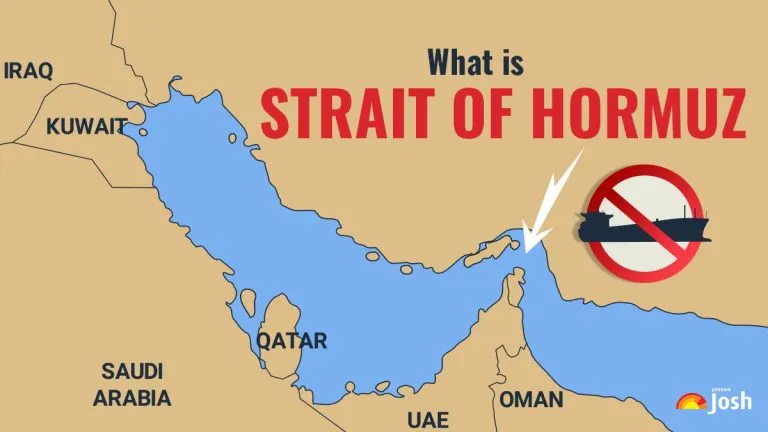
The Strait of Hormuz, a critical maritime corridor through which about 20% of the world’s oil passes, is facing heightened tensions. Iran’s Revolutionary Guards have stated that while they will not close the strait, they will target any U.S. or Israeli vessels attempting to transit.
Current Situation
On March 4, no tankers transited the Strait of Hormuz, a significant drop from the typical 60 or more ships that navigate this narrow passage, which is only 21 nautical miles wide at its narrowest point. This disruption raises concerns about the security of maritime routes crucial for global oil supply.
Economic Stakes
Roughly 20 million barrels of oil flow through the strait each day, with the energy trade valued at approximately $600 billion annually in 2025. The potential for conflict in this region poses a significant risk to global oil prices and energy security.
International Law Considerations
The UN Convention on the Law of the Sea (UNCLOS) stipulates that countries bordering straits must not hamper transit passage. Article 44 emphasizes the need for states to provide appropriate publicity regarding any dangers to navigation within the strait.
Industry experts are expressing concern over the safety of shipping in the region. Gene Seroka, a notable figure in maritime logistics, remarked, “I don’t see any appetite to move cargo and put crew and assets in harm’s way,” highlighting the apprehension among shipping companies.
Future Developments
As tensions continue to rise, the international community is closely monitoring the situation. Details remain unconfirmed regarding any further actions by Iran or responses from the U.S. and Israel. The potential for escalation remains a critical concern for global maritime security.