









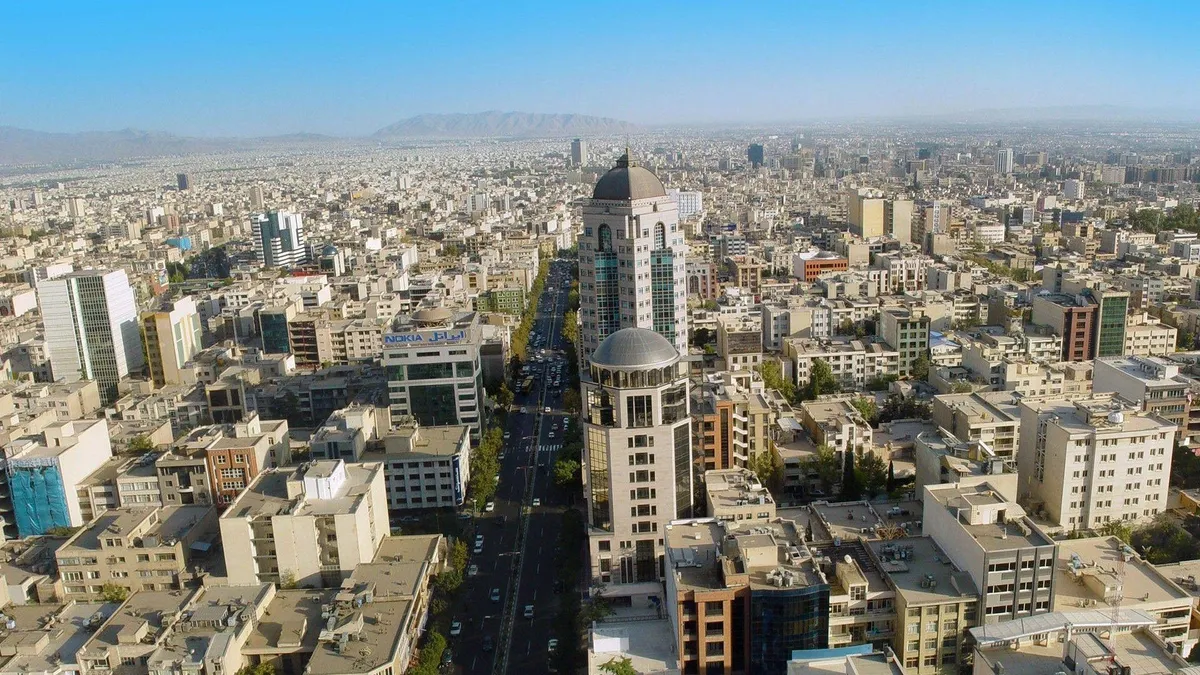
Escalation in Tehran
“It was as if the night had turned into day,” remarked a resident of Tehran, reflecting the dramatic impact of recent military actions in the Iranian capital. On March 7, 2026, Israel’s military confirmed that it had targeted fuel storage facilities in Tehran, marking a significant escalation in the ongoing conflict that has already claimed thousands of lives.
Pillars of flame were reported to have risen above the oil storage facility following the strikes, which are notable for being the first time a civil industrial facility has been targeted in this war. The conflict has rattled global markets and left Iran’s leadership weakened by hundreds of Israeli and American airstrikes, with at least 1,230 people having died in Iran due to the ongoing violence.
In the wake of the airstrikes, the Iranian leadership council has requested arrangements to convene the Assembly of Experts, a body responsible for selecting the next supreme leader. This move underscores the growing instability within Iran’s political landscape as the conflict continues to escalate.
Meanwhile, the repercussions of the conflict extend beyond Iran’s borders. Israeli airstrikes have also resulted in casualties in southern Lebanon, with reports indicating that eight people were killed in those strikes. Additionally, four foreign nationals have lost their lives in the UAE since the war began, further highlighting the regional implications of the ongoing violence.
Gholam Hossein Mohseni-Ejei, a senior Iranian official, commented on the precarious situation, stating, “The geography of some countries in the region — both overtly and covertly — is in the hands of the enemy.” This statement reflects the deepening concerns regarding national sovereignty and security in the face of external military actions.
Former U.S. President Donald Trump weighed in on the situation, noting, “The war is complicated enough without having … the Kurds involved.” His remarks suggest that the conflict’s complexity is further exacerbated by the involvement of various regional actors, each with their own interests and agendas.
As the situation continues to unfold, the international community watches closely. A missile reportedly landed on the helicopter landing pad in the U.S. Embassy complex in Baghdad, raising alarms about the potential for further escalation and the safety of diplomatic missions in the region.
With tensions running high and the potential for further military actions looming, the future of Tehran and the broader Middle East remains uncertain. Details remain unconfirmed as the situation develops, but the impacts of these events will likely resonate across the region for some time to come.