









Significant Impact on Oil Supply
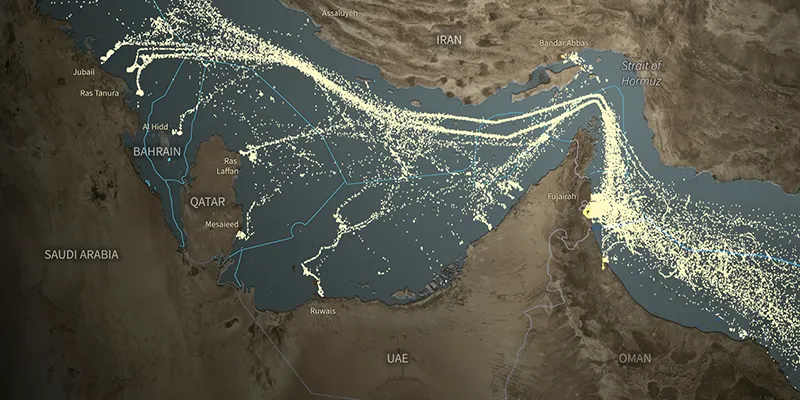
The state of Hormuz has become increasingly precarious, with rising tensions among key players such as the United States, Iran, and Israel leading to substantial disruptions in oil transit. The Strait of Hormuz is a critical oil transit corridor, with estimates suggesting that roughly one fifth to one quarter of global oil shipments move through it. The implications of these tensions extend beyond regional security, threatening global energy markets and supply chains.
Causes of the Current Situation
Recent developments have escalated the situation in the Gulf region. An Indian crew ship, carrying 23 sailors, is currently stranded in the Persian Gulf due to the volatile security environment. Maritime traffic through the Strait of Hormuz has dropped significantly amid ongoing conflicts, with several merchant ships and oil tankers reported to be stranded. Although Iran has not formally declared the Strait closed, several tankers have reportedly been attacked, raising concerns about the safety of maritime operations in the area.
India’s Oil Dependency and Recent Waivers
India, which relies heavily on imported crude oil, has been particularly affected by these developments. Approximately 90 percent of India’s oil consumption depends on imports, with a substantial portion sourced from the Middle East. In response to the situation, India has been granted a temporary 30-day waiver by the United States to purchase certain stranded Russian oil cargoes. This waiver is seen as a stop-gap measure to alleviate pressure caused by Iran’s attempts to take global energy hostage, according to Scott Bessent.
Current Oil Reserves and Purchases
Indian authorities have stated that the country holds sufficient reserves to manage short-term supply disruptions, covering roughly 25 days of demand. Following the waiver announcement, Indian state refiners have purchased about 20 million barrels of Russian crude. This move is crucial as Russian oil accounted for 21 percent of India’s crude imports in January, a figure that approached 30 percent by February. However, the situation remains fluid, and the exact duration of the waiver and its implications for future oil purchases remain unclear.
Economic Implications
The ongoing tensions and disruptions in the Strait of Hormuz have significant economic implications for India. Every ten-dollar increase in crude prices adds approximately 13-14 billion dollars to India’s annual import costs. Additionally, some Russian shipments are currently trading at a premium of 4-5 dollars per barrel above Brent prices, further complicating the economic landscape for Indian importers.
Voices from the Ground
Captains and crew members in the region have expressed their concerns about the safety of maritime operations. Captain Raman Kapoor, whose ship was returning to India after loading oil from Iraq, stated, “Our ship was returning to India after loading oil from Iraq, but due to the war-like situation we have been asked to halt in the Persian Gulf. We have been instructed not to move in any direction.” He added, “Maritime traffic has been choked because of the conflict. Several missiles have passed over our ship, and we even saw a ship being destroyed after it was hit by a missile.” The Indian Ministry of External Affairs has advised crews to remain where they are for now, emphasizing that while they are safe, the situation remains uncertain.
Looking Ahead
As tensions continue to rise in the Strait of Hormuz, the future of oil transit through this critical corridor remains uncertain. The regulatory language governing the waiver could create confusion for shipping companies, insurers, and oil traders over which cargoes qualify. Details remain unconfirmed, and the international community is closely monitoring the situation as further developments are expected.