









Recent Developments in Ration Card Distribution
In recent months, the distribution of ration cards has become a focal point of discussion in both Telangana and Haryana, with significant implications for food security among vulnerable populations. The central government has advised states to distribute three months’ worth of supplies at once to ration beneficiaries, a move aimed at addressing logistical challenges and ensuring consistent access to essential food items.
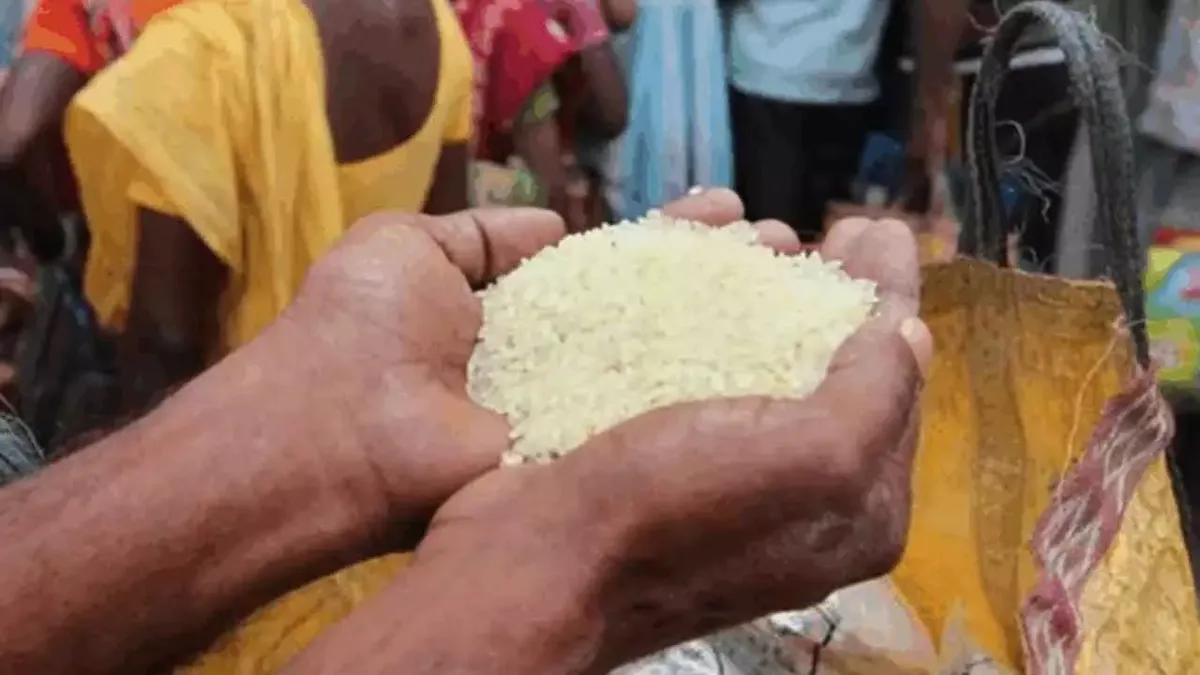
In Telangana, the government is currently providing 6 kg of ‘sannabiyyam’ per month to beneficiaries, with over one crore ration cardholders relying on this support. Each beneficiary is set to receive 18 kilograms of rice at once under the Centre’s plan, which is expected to streamline the distribution process. However, authorities are assessing both the logistical challenges and the risk of diversion before taking a final call on the proposal, as there are concerns that nearly two lakh metric tonnes of stock could potentially be diverted to the black market.
Every month, Telangana distributes 2.02 lakh metric tonnes of rice to approximately 3.20 crore beneficiaries using 1.02 crore ration cards. The state government has opted to supply fine rice instead of coarse rice through the Public Distribution System (PDS), incurring an annual cost of about ₹18,000 crore. This decision reflects the state’s commitment to providing quality food to its beneficiaries, although it also raises questions about sustainability and resource allocation.
In contrast, Haryana has seen a dramatic shift in its ration card landscape following the 2024 Assembly elections. The BJP-led government cancelled over 12 lakh Below Poverty Line (BPL) and Antyodaya Anna Yojana (AAY) ration cards, leading to a significant reduction in the number of cards from 52,50,740 in March 2025 to 39,88,155 by January 2026. This reduction of 12,62,585 cards, or nearly 24 percent, has sparked criticism and concern among opposition leaders.
Aditya Surjewala, a prominent Congress leader, has criticized the Parivar Pehchan Patra (PPP) system for excluding genuine beneficiaries, stating, “The cancellations had directly affected the food security of hundreds of thousands of poor families.” He further remarked that the BJP had initially added lakhs of beneficiaries before the polls only to remove them afterwards, raising questions about the integrity of the system.
In April 2025 alone, 3,35,095 cards were cancelled, with a further 7,89,826 cards revoked between May and August 2025. The highest number of cancellations occurred in Faridabad, where 1,26,564 cards were revoked. These actions have led to significant unrest and uncertainty among the affected families, who now face challenges in accessing essential food supplies.
As the situation evolves, the impact of the cancelled ration cards on food security remains to be fully assessed. Details remain unconfirmed regarding how these changes will affect the most vulnerable populations in Haryana and whether alternative measures will be implemented to support those who have lost their ration cards.
Overall, the developments surrounding ration cards in Telangana and Haryana highlight the complexities of food distribution systems in India, as well as the ongoing challenges faced by both state governments and beneficiaries. The outcomes of these changes will be crucial in determining the future of food security for millions of individuals reliant on these essential programs.