




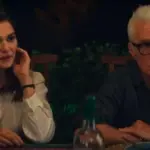





Overview of the Vladimir Series
The vladimir series, now streaming on Netflix, is a new drama that has garnered attention for its exploration of reputation, ambition, and authority within academic institutions. Based on Julia May Jonas’s 2022 debut novel, the series consists of eight episodes and features a cast led by Rachel Weisz and Leo Woodall.
Key Developments
Rachel Weisz plays a respected professor, while Leo Woodall portrays a character named Vladimir. The narrative employs an unreliable narrator technique, which adds layers of complexity to the storytelling. Julia May Jonas, the creator of the show, has expressed her interest in the unique flavor of direct address used by the main character, noting that it differs from previous portrayals.
In discussing the character’s reliability, Jonas remarked, “She was unreliable,” highlighting the tension that arises from the viewer’s uncertainty about the character’s honesty and perspective. This element of insecurity is designed to engage the audience, prompting them to question how deluded the character may be.
Thematic Exploration
The series builds tension through conversation, character development, and evolving relationships within the university setting. It delves into moral grey areas, presenting complicated characters that reflect a shift in societal issues since the novel’s publication. This thematic depth resonates with adult audiences, making it a compelling watch.
Current Status
As of now, the vladimir series is available for streaming on Netflix, allowing viewers to engage with its intricate narrative and character dynamics. The show’s release marks a significant moment for both the cast and the creator, as it brings to life the themes and characters from Jonas’s novel.
This sequence of events matters for those involved as it not only showcases the talents of the cast, including notable performances by Rachel Weisz and Leo Woodall, but also highlights the relevance of the story in today’s academic landscape. The series invites viewers to reflect on the complexities of authority and ambition, making it a timely addition to contemporary television.