







Iran’s Supreme Leader Ayatollah Khamenei Killed in Attack
Iran’s supreme leader, Ayatollah Ali Khamenei, has been killed in an attack attributed to Israel and the United States. He was 86 years old.
Iranian state media confirmed his death early on Sunday, following a statement from US President Donald Trump, who claimed that Khamenei had been killed in a joint US-Israeli airstrike that targeted his compound on Saturday.
“It is announced to the Iranian people that His Eminence Grand Ayatollah Imam Sayyid Ali Khamenei, Leader of the Islamic Revolution, was martyred in the joint attack launched by America and the Zionist regime on the morning of Saturday, February 28,” reported Iran’s semi-official Tasnim News Agency. The attack also reportedly resulted in the deaths of Khamenei’s daughter, son-in-law, and grandson.
Trump stated that Khamenei and other Iranian officials “couldn’t escape US intelligence and the advanced tracking systems.”
Khamenei’s Leadership and Legacy
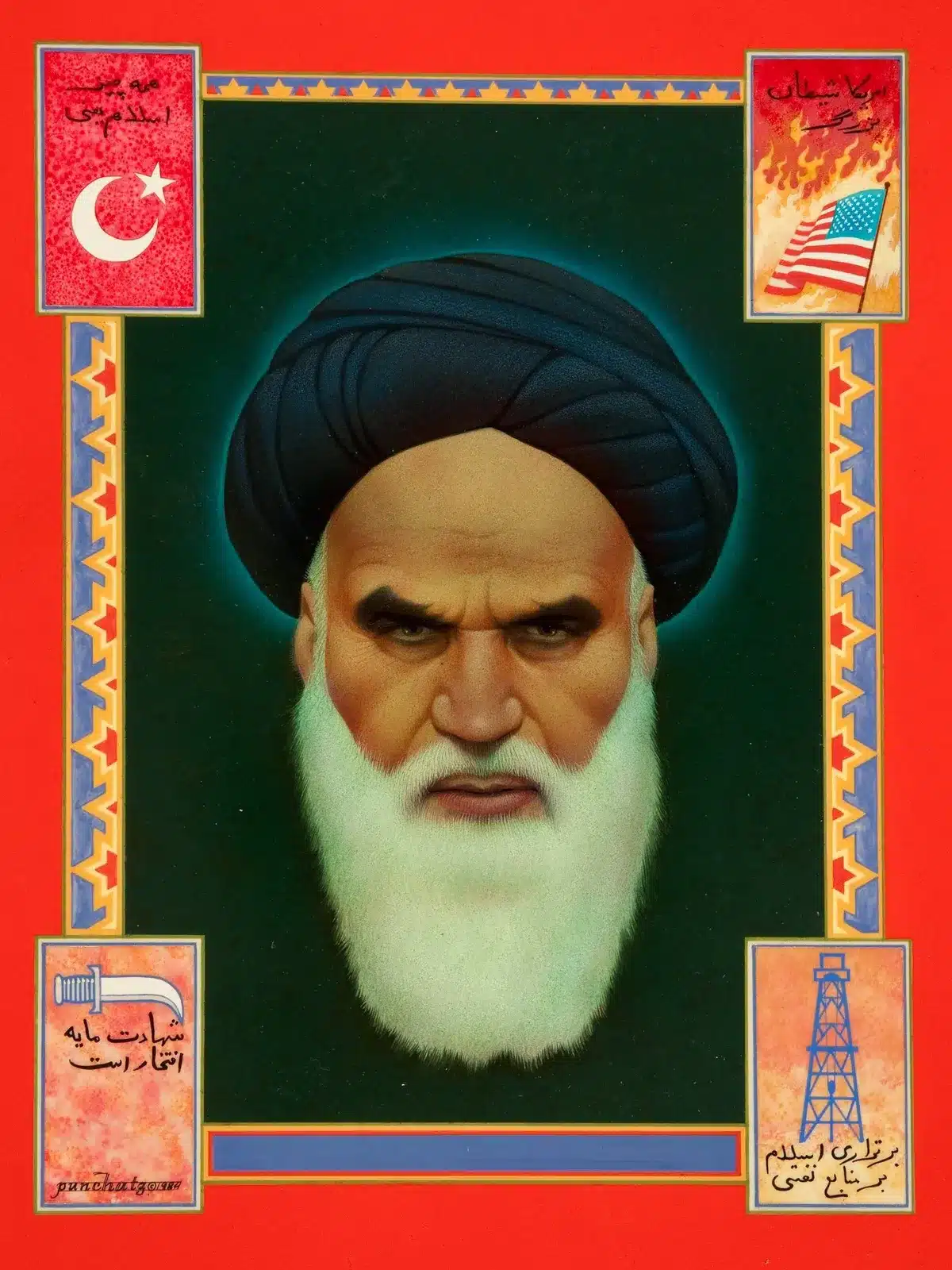
Khamenei assumed leadership in Iran in 1989, following the death of Ayatollah Ruhollah Khomeini, the influential figure behind the Islamic revolution a decade earlier.
While Khomeini was the ideological architect of the revolution that dismantled the Pahlavi monarchy, Khamenei was instrumental in developing the military and paramilitary structures that serve as Iran’s defense against adversaries and extend its influence beyond its borders.
Before becoming supreme leader, Khamenei served as president during a devastating war with Iraq in the 1980s. This conflict, combined with a sense of isolation as Western nations supported Iraqi leader Saddam Hussein, fostered Khamenei’s deep-seated distrust of the West, particularly the US, according to analysts.
“People think [of Iran] as a theocracy, because he [Khamenei] wears the turban and the language of the state is the language of religion, but in reality, he was a wartime president that came out of war with the assumption that Iran is vulnerable and in need of security,” stated Vali Nasr, an expert on Iranian affairs and author of Iran’s Grand Strategy: A Political History. “The US is hostile to Iran; and that the revolution, the Islamic republic and nationalism are not separated and need protection.”
Under Khamenei’s vision, the Islamic Revolutionary Guard Corps (IRGC) transformed from a paramilitary force into a significant security, political, and economic institution, central to Iran’s regional influence. He also advocated for a “resistance economy” to promote self-sufficiency amid stringent Western sanctions, maintained skepticism towards engagement with the West, and responded forcefully to critics who claimed his focus on defense hindered necessary reforms.
His leadership faced significant challenges over the years, including the 2009 protests against a disputed presidential election and the 2022 demonstrations regarding women’s rights.
The most substantial threat to his authority arose in January when protests fueled by economic hardship escalated into widespread unrest, with many demonstrators openly calling for the overthrow of the Islamic republic. The government’s response resulted in one of the most violent confrontations since the 1979 revolution.
Critics accused Khamenei of being disconnected from a younger population that sought reforms and economic improvement rather than continued isolation and ongoing conflicts with the US and Israel.
“Iranians paid too high a cost for this degree of insistence on national independence – in the process, he lost the Iranian population because they no longer believed in the wisdom of this independence,” Nasr remarked.
Early Life and Rise to Power
Born in 1939 in the holy Shia city of Mashhad in northeastern Iran, Khamenei was the son of a prominent Muslim leader and an ethnic Azerbaijani from neighboring Iraq. His family initially settled in Tabriz before moving to Mashhad, where Khamenei’s father led an Azerbaijani mosque.
Khamenei’s mother, Khadijeh Mirdamadi, was an avid reader of the Quran and literature, instilling in him a love for poetry and supporting his involvement in the movement against the Pahlavi dynasty.
He began his education at age four, learning the Quran, and completed his primary education at the first Islamic school in Mashhad. Instead of finishing high school, he attended theological schools and studied under notable Islamic scholars, including his father and Sheikh Hashem Ghazvini. He later continued his education at prestigious Shia centers in Najaf and Qom.
In Qom, he developed close ties with other prominent Muslim scholars, including Ayatollah Khomeini, who was admired by young seminarians for his defiance against the shah.
Khamenei taught jurisprudence and public theology interpretation classes, gaining access to a growing audience of young students disillusioned with the monarchy.
The monarchy had been restored to absolute power following a coup orchestrated by MI6 and the CIA in 1953, which ousted democratically elected Prime Minister Mohammad Mosaddegh after he attempted to nationalize the Iranian oil industry.
As a political activist, Khamenei faced multiple arrests by the shah’s secret police (SAVAK) and was exiled to the remote city of Iranshahr in southeastern Iran, but he returned to participate in the 1978 protests that ultimately led to the end of the Pahlavi regime.
Becoming Supreme Leader
After the monarchy was overthrown, Khamenei played a crucial role in establishing the new Iran. He briefly served as defense minister in 1980 and later supervised the IRGC following the outbreak of the Iran-Iraq war. A passionate orator, he also secured the influential position of Tehran’s Friday prayer leader.
The year 1981 was pivotal for Khamenei, as he lost the use of his right arm after narrowly escaping an assassination attempt by the Mojahedin-e Khalq (MEK), an opposition group that had initiated an armed uprising against the newly formed Iranian theocracy. That same year, Khamenei was elected president, becoming Iran’s first clerical president.
In 1989, Khomeini’s death marked a turning point for the Islamic republic. Before his passing, Khomeini had sidelined his long-time designated successor, Ayatollah Hossein Ali Montazeri, due to Montazeri’s criticism of the mass execution of prisoners in 1988.
A council established to revise the constitution appointed Khamenei as the new supreme leader, relaxing the qualifications required for the position. Khamenei did not hold the title of hojatoleslam, a high-ranking Shia clerical title.
“I believe I do not deserve this position; perhaps you and I know this. This would be symbolic leadership, not real leadership,” Khamenei stated at the time.
However, his leadership has proven to be anything but symbolic.
Khamenei’s early tenure as ayatollah was characterized by efforts to rebuild a nation devastated by eight years of war with Iraq. The conflict resulted in over a million casualties and left the economy in shambles. The war also fostered resentment towards the international community for its perceived inaction during Iraq’s use of chemical weapons against Iranian forces and civilians. While still president, Khamenei frequently visited the front lines, earning the loyalty of the IRGC and gaining firsthand insight into the realities of war.
“He is the leader whose formation was in the war with Iraq – that framed his outlook on domestic and foreign politics. Once he became the supreme leader, he focused on building the military and paramilitary apparatus for a siege, for constant resistance,” stated Narges Bajoghli, an associate professor of anthropology and Middle East studies at Johns Hopkins University.
However, the mood began to shift in the 1990s. The country was in dire need of investment, while revolutionary fervor began to wane. Some citizens, weary from the war, were eager for Iran to reintegrate into the international community.
This sentiment translated into a landslide election victory for reformist Mohammad Khatami in 1997, who advocated for rapprochement with the West and promoted a “dialogue among civilizations.”
Yet, Khamenei’s skepticism and mistrust of the West remained unwavering. He perceived the reformist vote, including support from within the military and paramilitary ranks, as a threat to the status quo. Consequently, he sought to create a stable voting bloc of loyal supporters against reformers, according to Bajoghli.
Khamenei lacked a natural base of support compared to Khomeini, prompting him to invest heavily in re-educating and training younger generations within the paramilitary system, ensuring their ascent within the ranks.
This strategy allowed the IRGC to establish a network of businesses that would enable them to dominate Iran’s economy while intensifying training programs for younger members of its paramilitary volunteer force, the Basij. Although this segment of society was limited, it grew alongside Khamenei’s posture of perpetual resistance against the West and was provided substantial resources. More importantly, Bajoghli noted, they were willing to fight and die.
These new ranks within the paramilitary force were called upon to suppress the nationwide protests that erupted after the disputed presidential election victory of Mahmoud Ahmadinejad, a staunch opponent of the West, in 2009. By then, a new generation of Iranians – born after 1979 – were less attuned to the anti-imperialist, anti-colonial narrative that had inspired their parents’ revolution.
In what was then considered the most significant challenge to Khamenei’s leadership, hundreds of thousands of protesters took to the streets under what the media dubbed the Green Movement to contest the election results and express support for the defeated reformist candidate, Mir Hossein Mousavi. While protesters claimed the elections were rigged for Ahmadinejad to win, Khamenei endorsed the results. Thousands were arrested, and dozens were killed, according to Amnesty International.
The Iranian leadership accused Western nations of inciting the unrest to topple the religious establishment. “You [the West] should be held accountable for your actions,” Ahmadinejad declared.
“The Iranian nation would … slap those with ill intentions so hard that they would lose their way home.”
Pragmatism Amidst Conflict
Khamenei was also a pragmatist, believing that the battle against the West required varied strategies: resisting but also negotiating when necessary, observers noted.
In 2015, as the country struggled under crippling international sanctions due to its nuclear program, Khamenei recognized the need to alleviate economic pressure to maintain domestic stability and bolster legitimacy.
He thus approved then-President Hassan Rouhani’s negotiations with the West that culminated in the 2015 Joint Comprehensive Plan of Action (JCPOA). This landmark agreement, signed by Iran and world powers, aimed to curtail Tehran’s nuclear program in exchange for sanctions relief.
“It was a moment of pragmatism – sometimes protecting the state requires compromises,” Nasr stated. “Khamenei favored a policy of neither peace nor war with the US. He believed that Iran needed to pursue its independence against the US, which he perceived as inherently antagonistic towards Iran.” Within this framework, “the nuclear deal was not normalization [with the US] but a narrow arms control agreement akin to the one the US had with the Soviets,” Nasr explained.
However, three years after the accord was signed, President Trump withdrew the US from the agreement, effectively ending the rapprochement. As Washington reinstated a new series of sanctions on Iran, Khamenei adopted a more aggressive stance, ruling out negotiations with the US and endorsing a gradual breach of the deal. Over the ensuing years, Iran resumed uranium enrichment to 60 percent, a level that expedites conversion to 90 percent weapons-grade uranium. Iran has consistently maintained that its nuclear program is solely for civilian purposes. In 2003, Khamenei issued a fatwa prohibiting the manufacture, use, and storage of nuclear weapons.
As Western sanctions tightened and inflation surged, protests erupted across Iran in 2019 following the government’s decision to raise petrol prices. Security forces were accused of violently suppressing demonstrations, resulting in over 100 fatalities, according to Amnesty International. Khamenei dismissed the protesters as “thugs” and accused counterrevolutionaries and foreign adversaries of inciting the unrest.
Amid internal strife and growing isolation, the presidential elections saw the victory of Ebrahim Raisi – a senior prosecutor criticized for his ties to the mass executions of the late 1980s – amid the lowest voter turnout in the Islamic republic’s history.
With a close ally like Raisi in the presidency, Khamenei promoted the so-called “resistance economy,” relying on Iran’s internal capabilities while pivoting its business towards the East – an approach that failed to yield significant results.
The nationwide protests in 2022, sparked by Mahsa Amini’s death in police custody for allegedly violating hijab laws, represented another major challenge for Khamenei. The ayatollah faced criticism for being responsible for the social restrictions imposed on the populace and the brutal crackdown by security forces during the ensuing demonstrations. More than 500 individuals were killed, according to Amnesty International.
Once again, Khamenei framed the situation as a matter of national security. He attributed the unrest to Western and regional adversaries, arguing that the protests were not merely about Amini’s death or hijab enforcement but rather the result of foreign intervention. “It is about Islamic Iran’s independence, resistance, strength, and power,” he asserted. “That is what this is about.”
Strategic Alliances and Regional Influence
Khamenei believed that independence and power were also necessary beyond Iran’s borders to maintain a “forward defense” that would deter potential aggression from adversaries, including the US and Israel.
This belief translated into the establishment of a network of proxy relationships and the transfer of weapons knowledge and resources to a coalition of allies outside Iran – the so-called “axis of resistance,” which became Khamenei’s most significant strategic initiative.
The mastermind behind this strategy was Qassem Soleimani, a staunch Khamenei supporter and commander of Iran’s Quds forces, the elite branch of the IRGC responsible primarily for its foreign operations. Soleimani was assassinated by the US in 2020.
This alliance encompassed Hezbollah in Lebanon, former President Bashar al-Assad in Syria, Hamas in Palestine, the Houthis in Yemen, and armed factions in Iraq.
However, the axis began to unravel following Hamas’s assault on southern Israel on October 7, 2023. In response, Israel launched a devastating war on Gaza, resulting in over 70,000 fatalities and extensive destruction across the Palestinian territory. Many senior Hamas leaders were killed during the conflict.
Israel also targeted Hezbollah in Lebanon, resulting in significant casualties among its senior leadership, including secretary-general Hassan Nasrallah. Subsequently, the overthrow of Syria’s Bashar al-Assad regime by rebel forces in December 2024 disrupted the corridor Iran had been using to supply Hezbollah.
With Iran’s allies weakened, Israeli Prime Minister Benjamin Netanyahu, who had long advocated for a strike on Iran’s nuclear program, seized the opportunity.
On June 13, 2025, the Israeli military, with US support, launched an attack on Iran, killing numerous senior commanders and top nuclear scientists, and targeting several nuclear sites and both civilian and military infrastructure. Israel maintained that the assault aimed to prevent Iran from developing a nuclear weapon, despite separate assessments from US intelligence and the International Atomic Energy Agency indicating that Tehran was not pursuing such a program. This attack coincided with Tehran’s negotiations with Washington regarding its nuclear program.
Iran retaliated with a barrage of missiles targeting Tel Aviv. A full-scale war ensued for nearly two weeks, culminating in the US deploying bunker busters on three key nuclear facilities.
Netanyahu threatened to eliminate Khamenei, while Trump demanded his “unconditional surrender.”
Such threats had little impact. “Intelligent individuals familiar with Iran and its history would never address this nation in threatening terms because the Iranian nation will not surrender, and the Americans should understand that any military intervention will undoubtedly cause irreparable damage,” Khamenei retorted.
To some, Khamenei’s steadfastness, once criticized for his siege mentality, took on a different significance following the 12-day war with Israel. Iranians defied calls from Israel to revolt against the Islamic republic.
However, the rally-around-the-flag effect proved short-lived.
Crippling sanctions severely impacted the economy. By late December, protests over a currency collapse escalated into nationwide unrest demanding the end of Khamenei’s rule. This led to one of the most brutal crackdowns in decades. Iranian authorities reported over 3,000 fatalities, while a US-based human rights organization estimated the death toll exceeded 7,000. Al Jazeera is unable to independently verify these figures.
Following the upheaval, the country found itself at a crossroads. Unlike previous protests, where the state could offer subsidies or ease social restrictions, this time it had limited options to address the underlying economic grievances that sparked the demonstrations. Iran faced the choice of making difficult compromises to secure sanctions relief and stabilize the economy or risk further unrest, experts warned.
This situation led to new negotiations between the US and Iran aimed at limiting Tehran’s nuclear activities in exchange for sanctions relief. Despite claims of “progress,” several rounds of discussions in the United Arab Emirates and Geneva failed to yield breakthroughs. The US insisted on dismantling Iran’s nuclear infrastructure entirely, limiting its ballistic missile arsenal, and ceasing support for regional allies. While Tehran showed flexibility regarding discussions on uranium enrichment for civilian use, it treated missiles and proxies as non-negotiable issues.
Meanwhile, the US amassed its largest military presence in the region since the 2003 invasion of Iraq.
On February 28, Trump announced that the US had initiated a “major combat operation” in Iran. In his address, the American president made it clear that the US sought regime change.
“The hour of your freedom is at hand,” Trump declared, addressing the Iranian people at the conclusion of his Saturday morning speech. “When we are finished, take over your government. It will be yours to take. This will probably be your only chance for generations.”
He expressed his willingness to undertake actions that no previous American president had considered.
“So let’s see how you respond.”