









Introduction
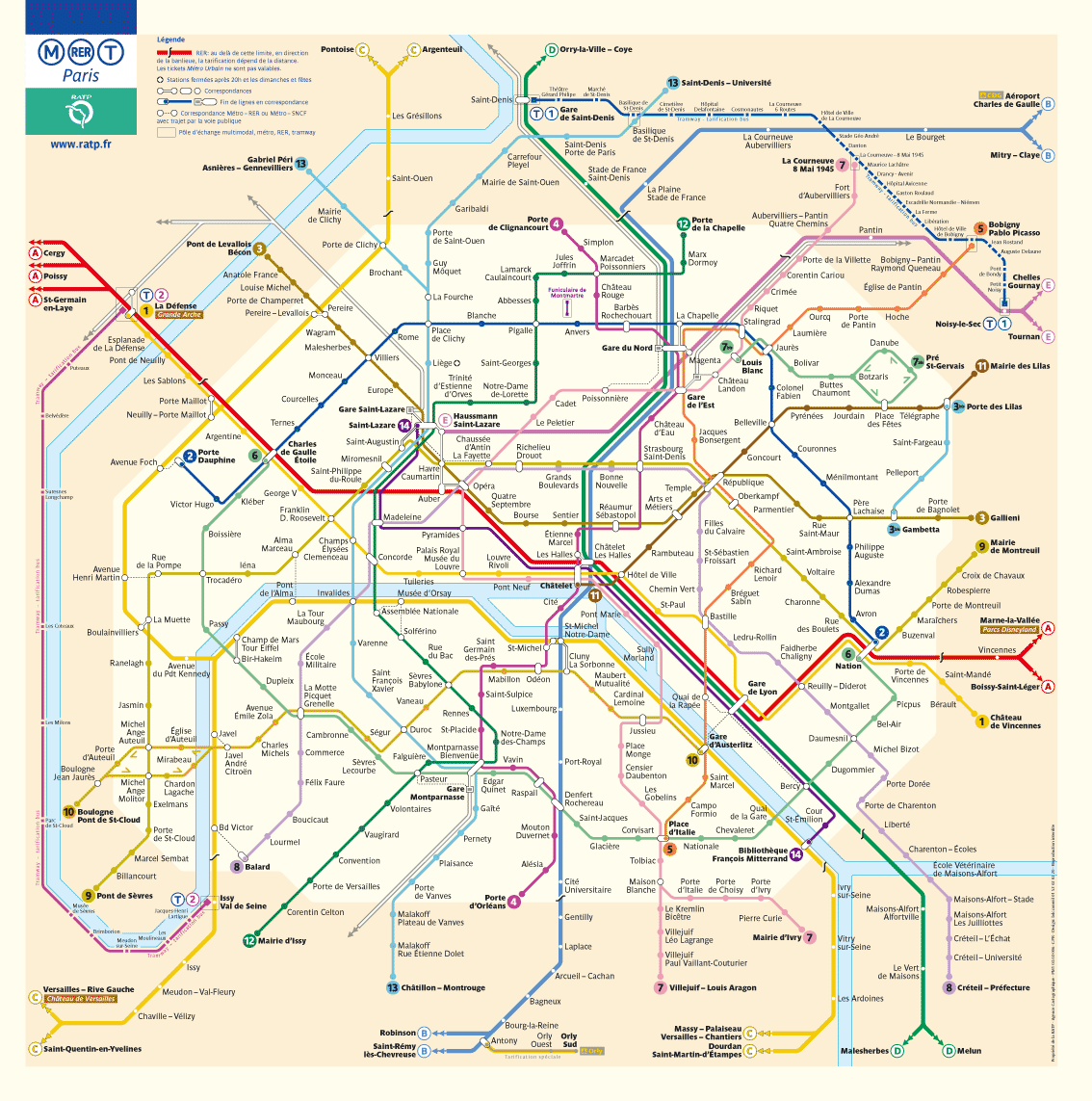
Metro systems, often considered the backbone of urban transportation, play a crucial role in the functioning of modern cities. As populations grow and urban congestion increases, the development and expansion of metro rail systems have become essential. With their ability to transport large numbers of passengers efficiently, metro systems not only reduce traffic congestion but also contribute to a decline in carbon emissions. Understanding the relevance of metro transport systems is imperative as cities worldwide continue adapting to modern transportation needs.
Recent Developments in Metro Systems
In recent years, many cities across the globe have seen significant investment in their metro networks. For instance, the United Kingdom has been upgrading its Tube system, enhancing services and reducing congestion. The proposed Crossrail project in London, now known as the Elizabeth Line, aims to improve connectivity across the capital with an estimated 200 million passengers expected annually.
Internationally, cities like New Delhi have made remarkable strides with the expansion of their metro services, introducing innovative technologies such as driverless trains. According to the Delhi Metro Rail Corporation, ridership has surged, with over 700 million passengers recorded in the last financial year, a testament to the metro’s role in easing urban transport woes.
Impact on Urban Life
The positive effects of metro systems extend beyond mere transportation. Reliable and extensive metro networks encourage economic growth, stimulate local businesses, and promote sustainable urban development. By providing an efficient alternative to the car, metros reduce the environmental footprint of commuting, as evidenced by the reduction in traffic congestion reported in cities with extensive metro systems.
Conclusion
Looking ahead, metro systems are positioned to play an even more significant role in urban development. With increased emphasis on sustainability and innovative technology, the future of metro transport systems seems promising. As cities invest in modernisation and expansion initiatives, residents can expect more efficient, accessible, and environmentally friendly public transport options. In a rapidly urbanising world, the importance of metro transport systems will continue to grow, shaping the way we navigate our cities.