









Introduction to NASA’s Role
The National Aeronautics and Space Administration (NASA) has been at the forefront of space exploration since its establishment in 1958. As a pivotal agency of the United States federal government, it is responsible for the nation’s civilian space programme and for aeronautics and aerospace research. With ongoing projects and future ambitions, NASA continues to inspire and educate the public on the wonders of space, making its work relevant to global scientific communities and space enthusiasts alike.
Current Missions and Projects
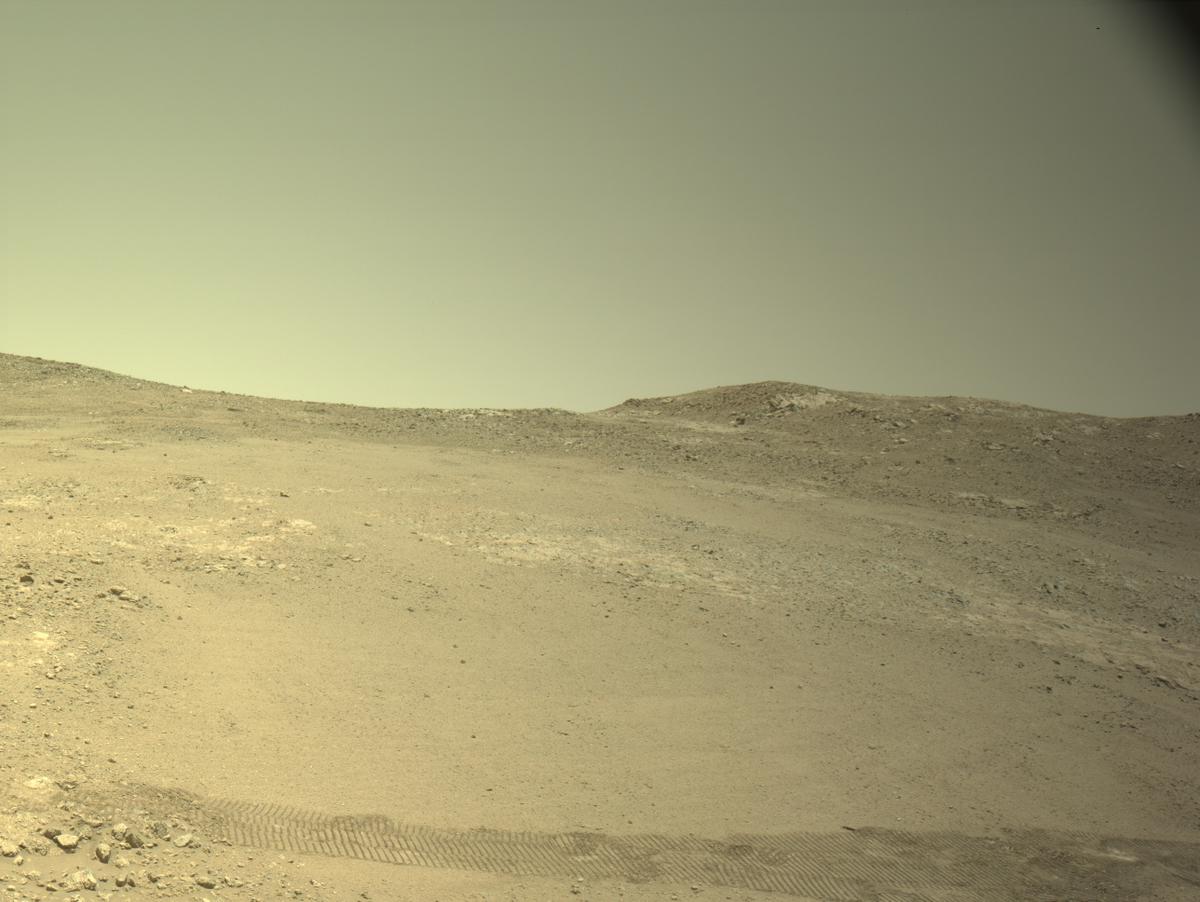
NASA has several exciting missions underway, notably the Artemis program, which aims to land the first woman and the next man on the Moon by 2025. This ambitious project is not only focused on lunar exploration but also serves as a stepping stone for future human missions to Mars. In addition, NASA’s Perseverance rover, which landed on Mars in February 2021, is actively conducting experiments that seek to uncover signs of ancient life and collect rock samples for future return to Earth.
Recently, the agency has also shared groundbreaking findings from its James Webb Space Telescope, which has provided unprecedented insights into the universe’s origins and the formation of galaxies. NASA’s collaboration with international space agencies, including the European Space Agency (ESA), ensures that its research and findings are integrated and accessible to a wider audience.
Technological Advancements
NASA’s technological contributions extend beyond space exploration. Innovations initially developed for space missions have led to advancements in various fields, including healthcare, transportation, and environmental monitoring. Technologies such as satellite imaging and GPS were propelled into everyday use through NASA’s research and development efforts.
Conclusion: The Future of NASA
As NASA continues to expand its mission objectives, the relevance of its work cannot be understated. With plans for sustainable lunar exploration and preparing for Mars missions, the agency is set to lead humanity into a new era of exploration. The targeted advancements in technology not only aid in space but also promise benefits for life on Earth. Thus, NASA remains a beacon of scientific inquiry and innovation, inspiring generations to look beyond our planet and dream of new horizons.