









Introduction
The enduring tale of ‘Wuthering Heights’, penned by Emily Brontë, has captivated audiences since its publication in 1847. With its themes of love, revenge, and the supernatural set against the backdrop of the Yorkshire moors, the novel has inspired numerous film adaptations. Each rendition reflects not only the essence of Brontë’s writing but also contemporary filmmaking trends and societal perceptions at the time of their production. This article delves into the most notable adaptations and their significance in cinematic history.
Notable Film Adaptations
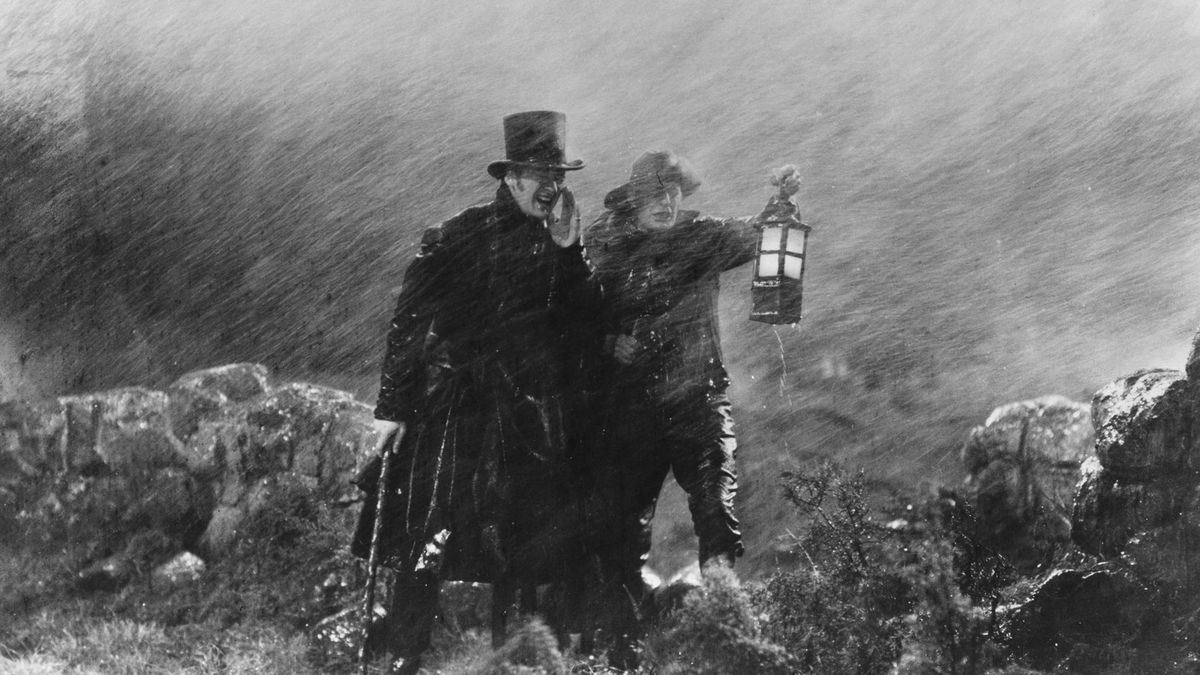
The first cinematic version of ‘Wuthering Heights’ was released in 1939, directed by William Wyler and starring Laurence Olivier as Heathcliff and Merle Oberon as Catherine Earnshaw. The film received critical acclaim for its performances and innovative cinematography. However, it also faced criticism for its deviation from the source material, particularly in the portrayal of the plot’s darker themes.
In 1992, another significant adaptation emerged, directed by Peter Kosminsky. This version starred Ralph Fiennes and Juliette Binoche, receiving praise for its authenticity and emotional depth. The film conveyed the tumultuous relationship between Heathcliff and Catherine more intimately, aligning closely with Brontë’s narrative style.
More recently, Andrea Arnold’s 2011 adaptation sought to capture the rawness of both the story and its setting. With a focus on the natural landscape and a more modern visual style, Arnold’s film aimed to create an immersive experience, employing a cast of mostly unknown actors. Critics acknowledged its artistic merit, though some noted its slower pacing compared to earlier versions.
Impact on Cinema
The various adaptations of ‘Wuthering Heights’ have not only showcased the story’s timeless relevance but also highlighted the evolution of film techniques and audience expectations. Each era’s interpretation reflects contemporary values and aesthetic preferences, providing insights into how the narrative resonates across generations.
Conclusion
<pAs we look to the future, 'Wuthering Heights' remains ripe for reinterpretation, with filmmakers continually finding fresh perspectives on Brontë's complex characters and themes. Upcoming adaptations promise to draw on innovative storytelling methods, keeping this classic tale alive for new audiences. The persistent interest in 'Wuthering Heights' in film cements its status as a cultural touchstone, ensuring that Heathcliff and Catherine's tragic love story endures through time.