









Introduction
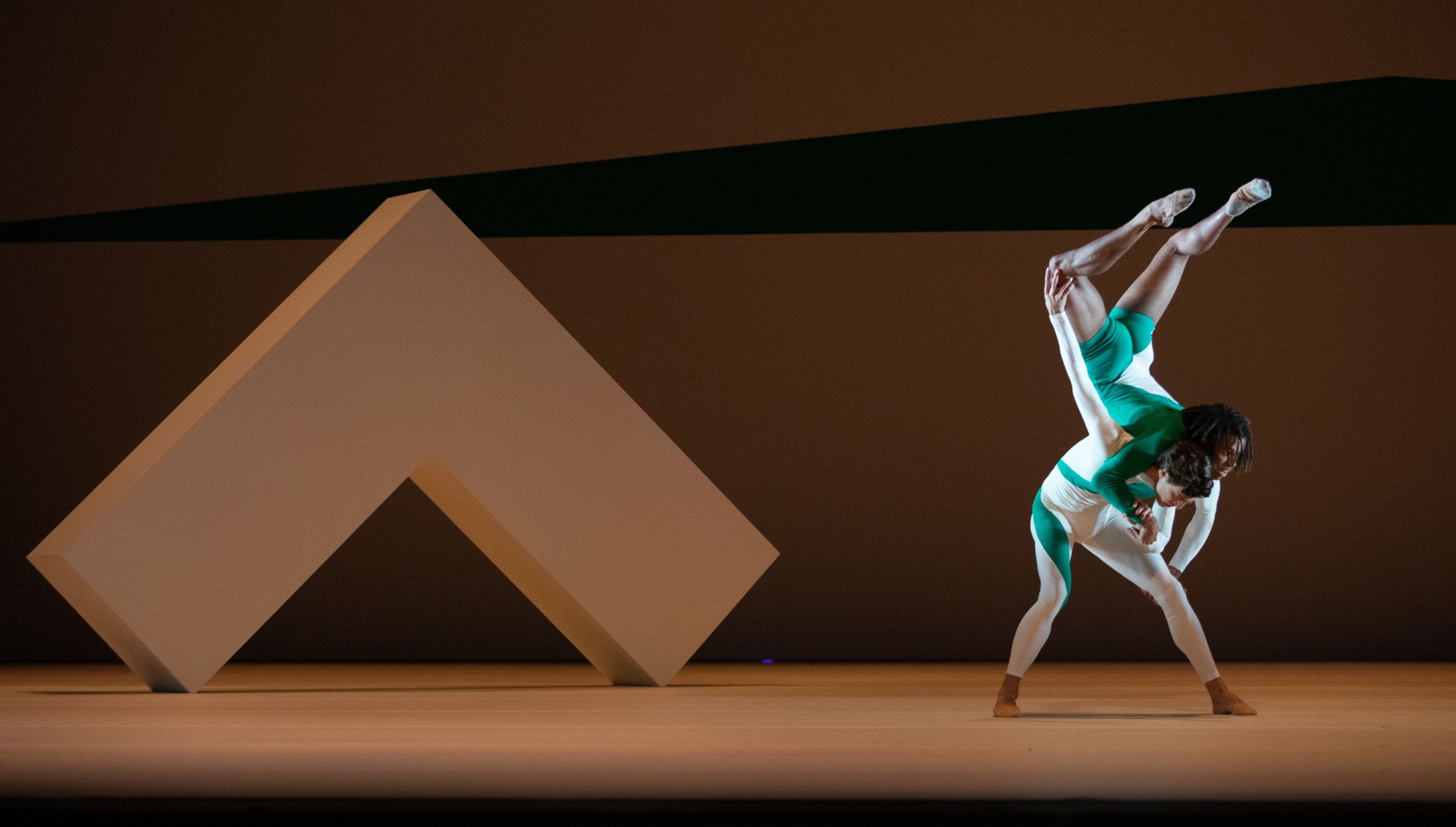
Wayne McGregor is a name synonymous with innovation in contemporary dance. Renowned for his unique choreography and collaborative approach, McGregor has carved a distinctive niche in the dance world. His work has transcended traditional boundaries, influencing not only the art of dance but also its interaction with technology and other artistic disciplines. This article delves into McGregor’s career, examining his significant contributions and their relevance to the contemporary art scene.
Career Beginnings and Rise to Prominence
Born in 1970 in Stockport, England, McGregor’s journey into dance began at a young age. He trained at the University of London and later founded his own company, Studio Wayne McGregor, in 1992. His unique style, characterised by its dynamic physicality and eclectic influences, quickly gained attention. McGregor’s choreography is often described as visceral and intricate, drawing on elements from various genres, including ballet, theatre, and even visual arts.
Innovative Collaborations
One of McGregor’s defining features is his penchant for collaboration with artists from different fields. Notably, he has partnered with renowned figures such as visual artist Olafur Eliasson, composer Max Richter, and filmmaker Isaac Julien. These collaborations have enriched his productions, blending dance with technology, film, and installations, allowing for a multi-sensory experience that challenges the conventional boundaries of performance art.
Significant Works and Awards
Over the years, McGregor has created a plethora of noteworthy works. His piece ‘Abstract’ received critical acclaim for its exploration of the human form and movement, while ‘Chroma’ showcased a seamless fusion of dance and striking visual aesthetics. In recognition of his contributions to the arts, McGregor has received numerous awards, including the Olivier Award and the Creativity Award from the University of Brighton.
Current Projects and Future Directions
As of 2023, McGregor continues to be a leading force in contemporary dance. He is currently engaged in a project that investigates the intersection of artificial intelligence and choreography. This innovative direction signifies his ongoing commitment to pushing artistic boundaries. Furthermore, McGregor’s role as Resident Choreographer for the Royal Ballet indicates his influence on both traditional and modern dance forms, suggesting a bright future for his continued evolution as an artist.
Conclusion
Wayne McGregor’s contributions to contemporary dance have positioned him as a key figure in the arts. His innovative approach, marked by collaborations across various disciplines and a willingness to embrace technology, has enriched the dance community. As he continues to explore new ideas and directions, McGregor’s work remains a vital part of the conversation surrounding contemporary performance art, inspiring future generations of dancers and choreographers.