









Introduction
Cirencester, often referred to as the ‘Capital of the Cotswolds’, is a significant market town in Gloucestershire, England. Nestled in the picturesque Cotswolds, it boasts a rich historical heritage that dates back to Roman times. The town’s blend of ancient history, vibrant culture, and stunning landscapes make it a noteworthy destination for both visitors and locals. Understanding Cirencester’s significance within the Cotswolds not only highlights its cultural value but also showcases its role in regional tourism and community life.
Historical Significance
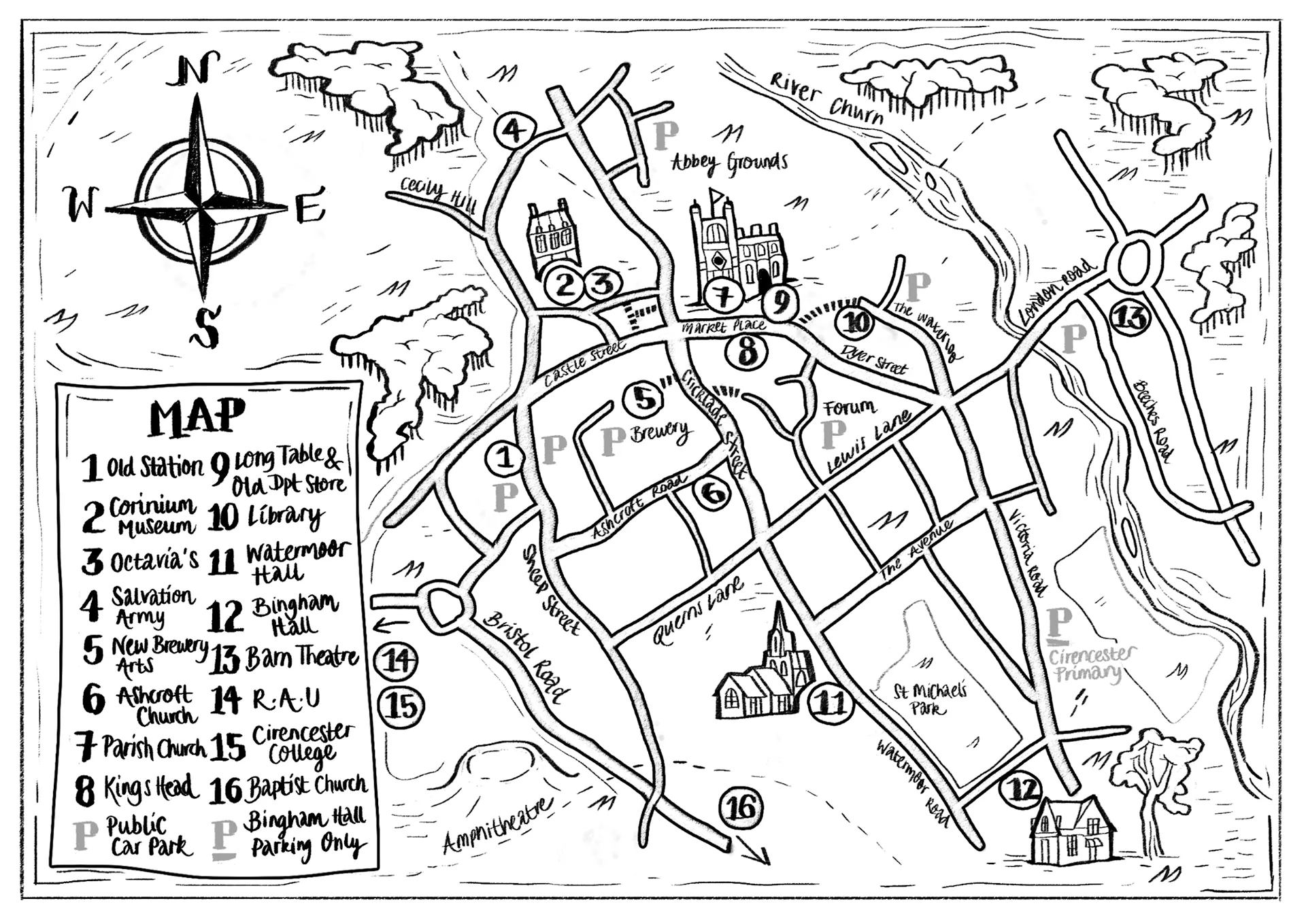
Cirencester has a storied past as one of the most important towns in Roman Britain, known then as Corinium Dobunnorum. The remnants of this era can still be seen today, particularly in the Corinium Museum, which houses one of the largest collections of Roman artefacts outside of London. Recent preservation efforts have focused on maintaining these historical sites, with the museum upgrading its exhibitions to attract more visitors. With its more than 2000 years of history, Cirencester continues to draw interest from researchers and tourists alike.
Community and Culture
In addition to its rich history, Cirencester plays a central role in community life within the Cotswolds. The town hosts a variety of markets and festivals throughout the year, including the renowned Cirencester Food Festival and the Christmas Market, which bring locals together and attract visitors from afar. The weekly markets, where fresh produce and artisanal goods are sold, support local farmers and small businesses, reinforcing the community’s commitment to sustainability. Following the COVID-19 pandemic, these events have seen a resurgence as people eagerly return to social activities, signifying a revitalisation of local culture.
Economic Impact and Future Prospects
The economy of Cirencester benefits significantly from its status as a tourist destination. Recent statistics indicate that the town attracts over a million visitors annually, contributing millions of pounds to the local economy. Additionally, the influx of tourism has encouraged investment in infrastructure and services. As an example, upcoming plans for improved transport links are in the works, which will facilitate easier access to Cirencester from surrounding areas, further enhancing its appeal. Experts forecast continued growth in tourism, especially as more people seek rural destinations post-pandemic.
Conclusion
Cirencester remains a treasure within the Cotswolds, seamlessly blending its rich historical heritage with a lively community spirit. The town’s ongoing commitment to preserving its history, while embracing economic opportunities through tourism, positions it well for the future. As more visitors explore its charming streets and historical sites, Cirencester is set to continue thriving as a quintessential English market town, offering insights into the past while embracing modernity.