









Introduction
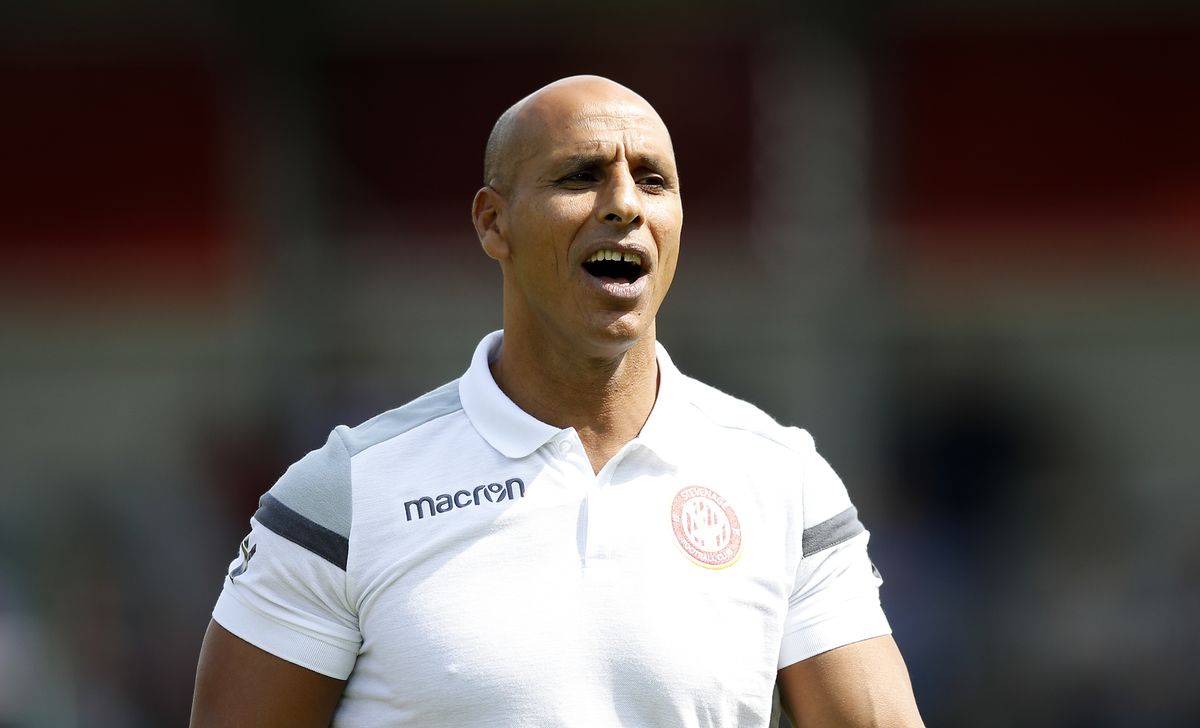
Dino Maamria, a prominently known figure in the football world, is making waves with his strategic approach to managing teams in the English football league system. His relevance in recent sports discussions stems from his unique coaching style, which combines rigorous training regimens with an emphasis on player development. Understanding Maamria’s techniques and their impact on contemporary football sheds light on the evolving landscape of coaching in the sport.
Career Highlights
Born in Algeria, Dino Maamria began his playing career in the late 1990s before transitioning to coaching after retiring from professional football. Over the years, he has built a reputation for developing youth talent and implementing innovative tactics that reflect modern trends in the game. His noteworthy appointments include managerial roles at clubs such as Whitehawk and Billericay Town, where he achieved significant milestones.
Recently, Maamria was appointed as the head coach of the ambitious club, AFC Rushden & Diamonds. This role marked a new chapter for him, as he aims to elevate the club to higher leagues through a combination of tactical prowess and team cohesion. Under his management, the club has adopted a more attacking style of play, showcasing his ability to adapt and influence the team’s direction positively.
Impact on Players and the Community
Maamria’s coaching philosophy extends beyond just winning matches; he focuses on the holistic development of players. His commitment to mentoring young athletes has made him a respected figure among emerging talents. Comments from players underline his ability to motivate and inspire them to reach their full potential.
Additionally, Maamria’s engagement with the local community has been commendable. He frequently organises youth training camps and workshops, fostering a culture of inclusion and collaboration within the sport. His efforts not only benefit individual players but also aim to uplift the entire local football ecosystem.
Conclusion
As Dino Maamria continues his coaching journey, his contributions to football cannot be overstated. His strategic approach and focus on nurturing talent highlight a forward-thinking methodology that modern football fans and analysts are keen to observe. The forecast for his career appears promising, with significant possibilities ahead as he seeks to lead his team to greater success. For readers interested in the evolving nature of football coaching, Maamria stands as a prime example of innovation and excellence in the sport.