









Introduction
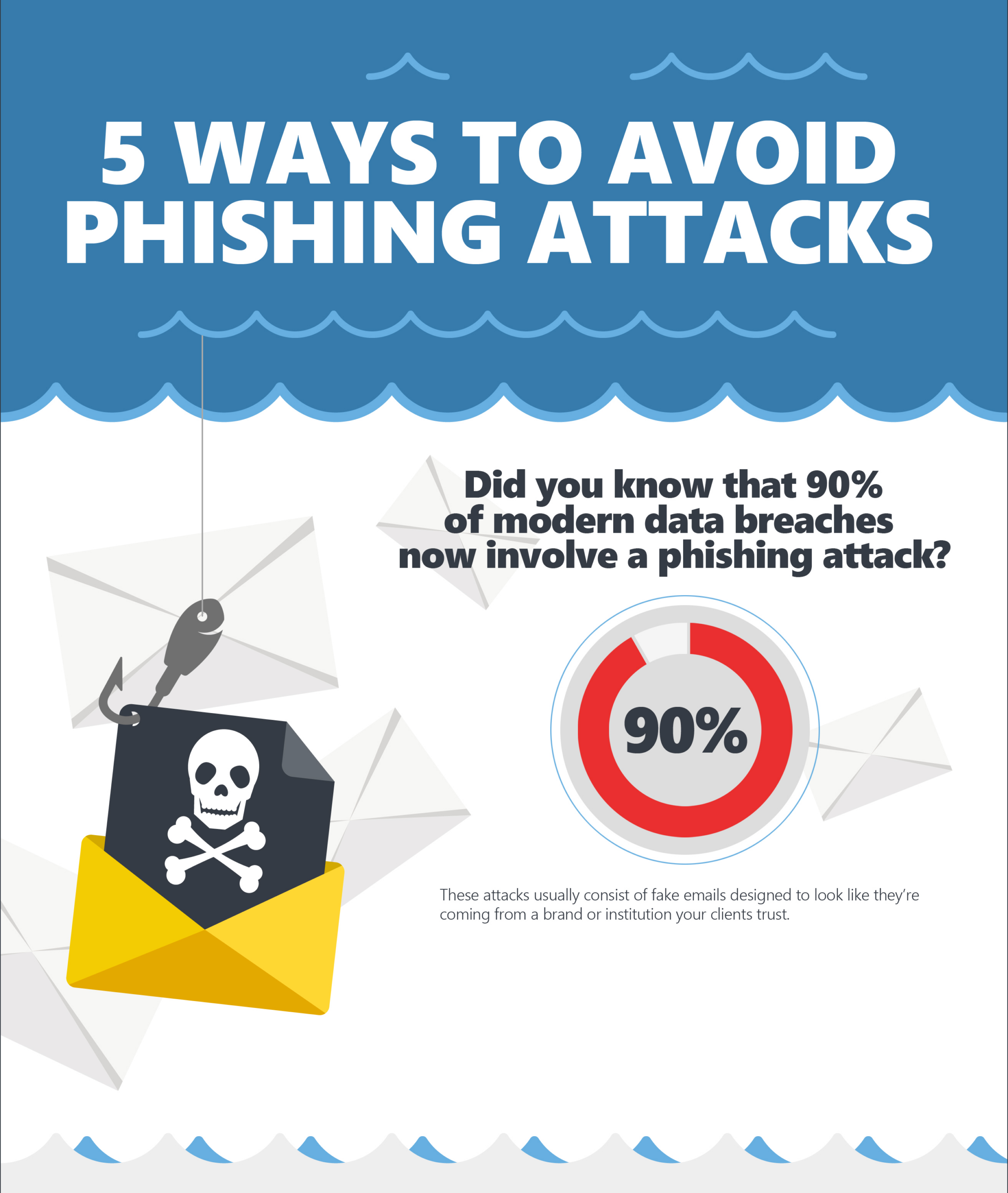
Phishing, a term that has become increasingly prevalent in our digital age, is a form of cybercrime aimed at acquiring sensitive information such as usernames, passwords, and credit card details by masquerading as a trustworthy entity in electronic communications. As more individuals and businesses move online, understanding phishing and how to combat it has never been more critical.
Types of Phishing Attacks
There are several forms of phishing, each with its unique methods and targets:
- Email Phishing: The most common type, where cybercriminals send fraudulent emails that appear to come from legitimate sources, enticing recipients to click on malicious links or enter personal information.
- Spear Phishing: This is a targeted form of phishing that focuses on specific individuals or organisations, often using personal information to make the attack more convincing.
- Whaling: A form of spear phishing that specifically targets high-profile individuals, such as executives or officials, often to steal sensitive company information.
- Vishing: Also known as voice phishing, this method involves phone calls from impersonators pretending to be from legitimate institutions, asking for sensitive data.
- Smishing: This is phishing conducted through SMS text messages, tricking individuals into revealing personal information.
Recent Developments and Statistics
According to the Cybersecurity and Infrastructure Security Agency (CISA), phishing attacks remain one of the top security threats for both individuals and corporations. In 2022, reports indicated that 85% of all cyberattacks began with phishing. Furthermore, despite growing awareness, the rate of successful attacks continues to increase, with attackers constantly evolving their tactics.
How to Protect Yourself from Phishing
The best defense against phishing is awareness and proactive measures:
- Be Skeptical: Always question unsolicited requests for personal information.
- Verify Sources: Contact the organisation directly using known contact details to confirm any request.
- Use Security Software: Employ reliable security software that can detect and block phishing threats.
- Educate Yourself: Stay informed about the latest phishing tactics and educate others.
- Implement Multi-Factor Authentication: Adds an additional layer of security to your online accounts.
Conclusion
Phishing remains a prominent threat in today’s digital landscape, continuously adapting to new technologies and user behaviours. Awareness and proactive strategies are crucial in combating these cyber threats. By understanding what phishing is and recognizing the signs, individuals and organizations can better protect themselves from falling victim, ultimately fostering a safer online environment for everyone.