









Introduction
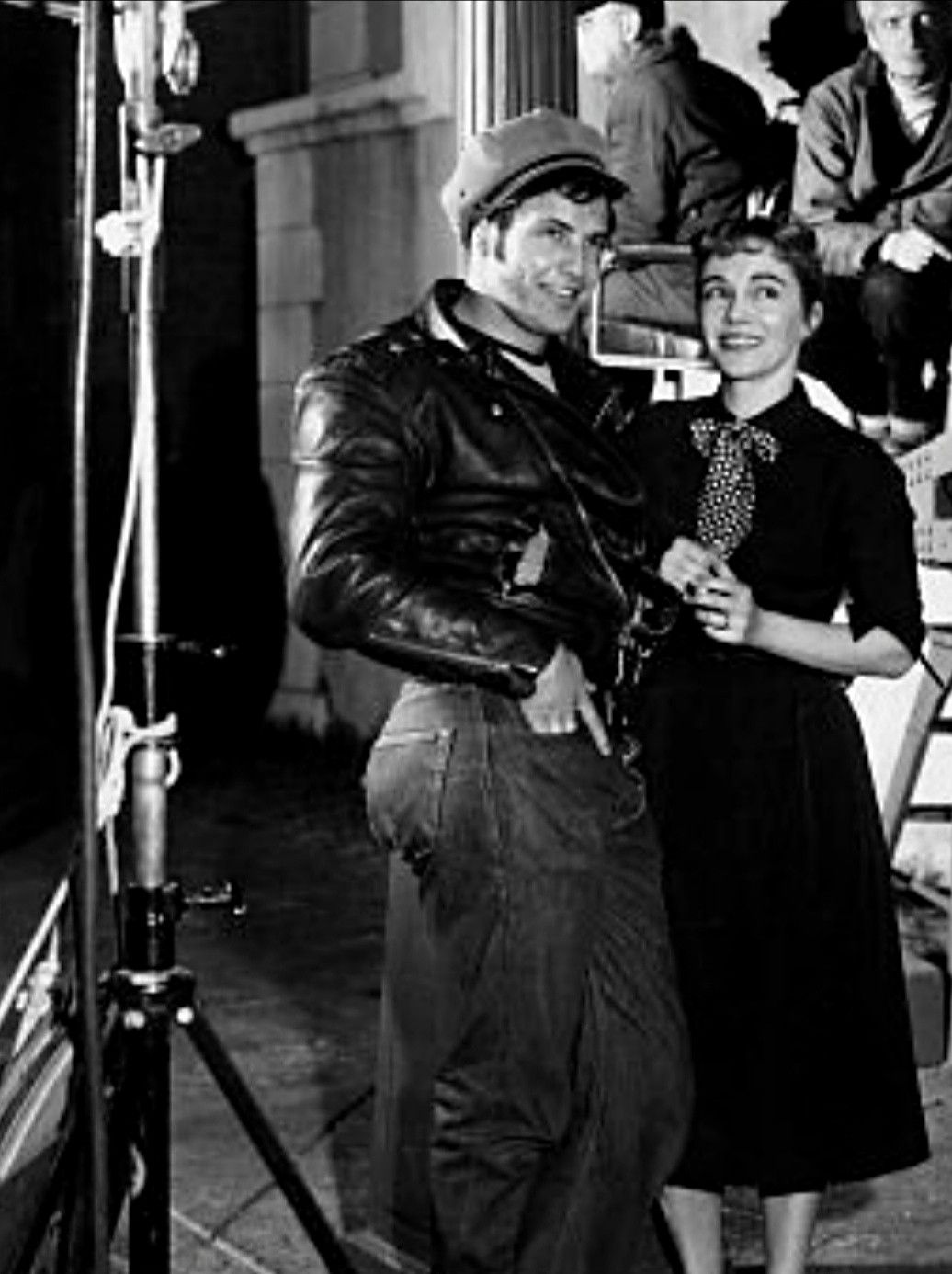
Marlon Brando, born on April 3, 1924, in Omaha, Nebraska, is considered one of the most influential actors in the history of cinema. Renowned for his method acting technique, Brando brought authenticity and depth to his roles, revolutionising the film industry. His performances in iconic films such as ‘A Streetcar Named Desire’ and ‘The Godfather’ not only earned him critical acclaim but changed the trajectory of acting, making his life and career an important topic for film enthusiasts and scholars alike.
Brando’s Career Milestones
Brando’s career took off in the early 1950s when he starred in ‘A Streetcar Named Desire,’ where his portrayal of Stanley Kowalski received widespread acclaim and established him as a leading man. He further cemented his legacy with his role as Vito Corleone in ‘The Godfather’ (1972), which won him an Academy Award for Best Actor, though he famously declined the Oscar in protest of Hollywood’s portrayal of Native Americans. Brando’s method acting approach, focusing on emotional truth and characterization, inspired generations of actors and has become a hallmark of American acting.
Personal Life and Philosophy
Brando’s life was as dramatic as the characters he portrayed. Known not only for his turbulent relationships and activism—particularly in Native American rights—but also for his unpredictable behavior, Brando’s complexity made him a captivating figure. He believed in challenging the status quo in Hollywood, often using his platform for social issues. Brando’s philosophy on acting and celebrity complexities continues to resonate today, influencing actors who aspire for authenticity in their performances.
Conclusion
Marlon Brando’s impact on cinema is undeniable. With a legacy that includes groundbreaking performances and a profound influence on the craft of acting, he has left an indelible mark that extends beyond his filmography. As viewers, we continue to celebrate his work while grappling with the cultural implications of his life. Future generations of actors and filmmakers will undoubtedly study Brando’s techniques and philosophies as they navigate the evolving landscape of Hollywood. Understanding his contributions helps us appreciate the artistry of acting and its significance in storytelling.